
Can a Tooth Infection Be Fatal?
And What Can You Do to Stop It?
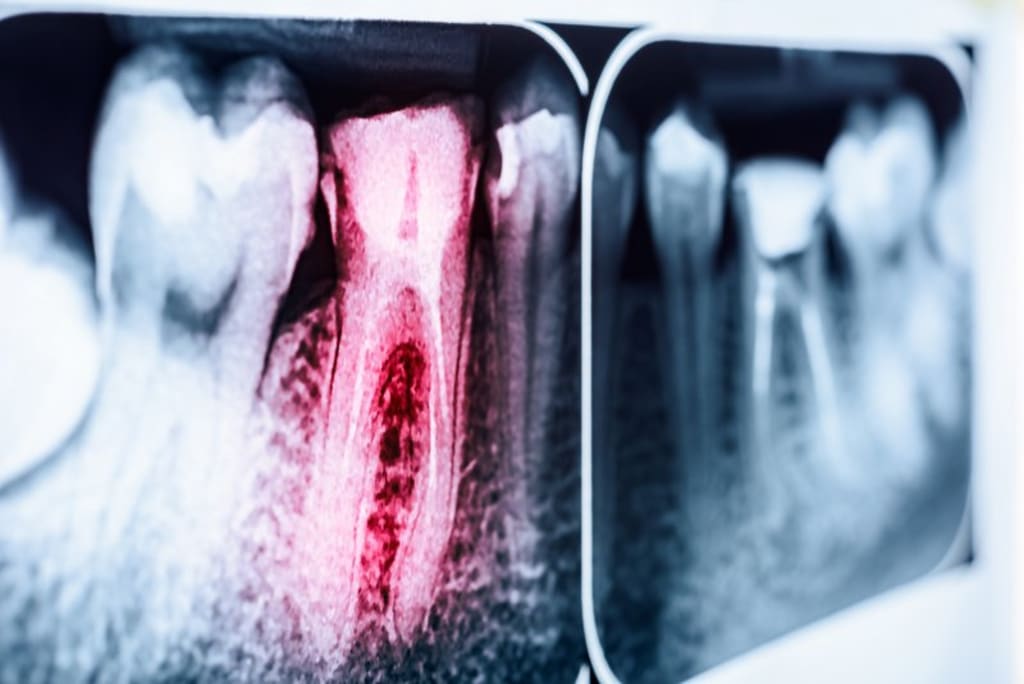
On the surface, toothaches might not seem all that dangerous. You might even convince yourself that you can live with the pain. But if your toothache is caused by an infection, then leaving it alone could lead to all kinds of health complications – and in the worst-case scenario, it could even have fatal consequences.
Far too many people put themselves in danger by allowing an infection that could have been handled by an oral surgeon to get out of hand. It’s important to be fully aware of the worst-case scenario that a dental infection can lead to so that you know to seek the appropriate type of treatment as soon as possible.
What Happens if a Tooth is Infected?
A tooth can become infected if bacteria manage to get past the protective enamel layer (usually as a result of decay or an injury) and attack the inner pulp. This can cause throbbing pain, tooth sensitivity to hot or cold foods, bad breath, and an unpleasant taste in your mouth. However, if the infection starts to spread beyond the tooth, that’s where things can get dangerous.
Once the infection has spread, it can form what’s known as a dental abscess, which is a pocket of pus formed as a result of bacterial infection. Not only are abscesses extremely painful, but they can also lead to sepsis, which is the body’s extreme response to infection. When left unmanaged, sepsis can cause extensive tissue damage, organ failure, and ultimately death.
While sepsis as a result of a tooth infection is relatively rare, it has become more of an issue in recent years. According to the New York Times, sepsis infections caused by dental problems have increased by as much as 40% in less than a decade. Considering the potentially fatal consequences, this is a problem you can’t afford to ignore.
How Can a Tooth Infection Be Treated?
The good news is that a tooth infection can be treated a few different ways before it turns into sepsis. If it has yet to spread beyond the tooth, it’s often possible to stop it in its tracks with root canal therapy. On the other hand, if the infection has already reached the jawbone, you’ll likely need an oral surgeon’s help to stop the situation from growing worse.
Oral surgeons can typically treat severe tooth infections with a procedure called an apicoectomy. This is where a small portion of the jawbone near the tooth root is removed. Any remaining tissue is thoroughly cleaned to ensure that there’s no infection remaining. Then the area is carefully sealed off to protect it from any further problems. The goal is to put a stop to the current infection while also minimizing the risk of a new one occurring.
Note that if your oral surgeon is recommending an apicoectomy, it is likely the last option for stopping the infection while also preserving the natural tooth. If the procedure is unsuccessful, the only option remaining may be to remove the tooth entirely. While a missing tooth can be replaced with a dental bridge or implant, a full set of natural teeth is always ideal for your smile, so it’s best to opt for an apicoectomy if given the choice.
A tooth infection should always be treated as an extremely serious health problem. Calling your dentist or oral surgeon right away for treatment could ultimately be a life-saving decision. If you do see any symptoms that make you think you might have an infected tooth, don’t delay seeking help from a professional; get the treatment you need so that you can avoid the worst-case scenario entirely.
About the Creator
Day 4 of Quitting
If this is how sobriety feels, maybe it’s better to go through life a little buzzed… this, along with other hits like, I want to kill myself, I wish I was dead, and I’m going to throw myself off a bridge have been the only thoughts on rotation these past few days. I promise myself that if, in a month, I still feel like this (‘this’ meaning despondent, full of rage, and simultaneously numb) I can go back to smoking. Until mid-February though? Nicotine is off the table.
By sleepy drafts9 days ago in Longevity
Greenland in Uproar After Researchers Call for Orca Cull to Protect Fragile Arctic Ecosystem
Greenland is facing an unexpected and heated debate over the future of one of the Arctic’s most iconic predators. A recent study by a team of marine researchers has sparked outrage by suggesting that an orca cull may be necessary to preserve the fragile Arctic ecosystem. While scientists argue that the intervention could protect vulnerable species and maintain ecological balance, local communities, conservationists, and animal rights activists have reacted with alarm, calling the proposal both unnecessary and ethically troubling.
By Fiaz Ahmed 7 days ago in Longevity


Comments
There are no comments for this story
Be the first to respond and start the conversation.