
Calorie Deficit Diet: A Key to Effective Fat Loss
Are you looking to shed those extra pounds?

Are you tired of struggling with excess weight and feeling discouraged by unsuccessful diet attempts? If so, the calorie deficit diet might be the answer you've been searching for. This article will guide you through the ins and outs of the calorie deficit diet, providing you with essential information to achieve effective fat loss. Get ready to unlock the key to a healthier and fitter you!
Calorie Deficit Diet
Maintaining a calorie deficit is at the heart of the calorie deficit diet. By consuming fewer calories than your body needs to maintain its current weight, you create a favorable environment for weight loss. But how do you determine your calorie deficit? Let's find out.
How do I figure out my calorie deficit?
Calculating your calorie deficit is crucial for successful weight loss. It involves understanding the number of calories your body requires to maintain its current weight and then consuming fewer calories than that. Here's a simple equation to help you calculate your calorie deficit:
Calorie Deficit = Calories In - Calories Out
To get started, determine your Basal Metabolic Rate (BMR), which is the number of calories your body needs to function at rest. Several online calculators can assist you in this process. Once you have your BMR, factor in your activity level and subtract an appropriate number of calories to create a calorie deficit without compromising your health.
What should I eat in a calorie deficit a day?
Now that you understand the concept of a calorie deficit, let's explore what you should eat to achieve your weight loss goals while maintaining optimal health.
Eat nutrient-dense foods
When following a calorie deficit diet, it's essential to make every calorie count. Opt for nutrient-dense foods that provide a range of vitamins, minerals, and macronutrients. These include:
Fruits and vegetables: Rich in fiber, vitamins, and antioxidants.
Lean proteins: Chicken, fish, tofu, beans, and legumes.
Whole grains: Quinoa, brown rice, oats, and whole wheat products.
Healthy fats: Avocados, nuts, seeds, and olive oil.
Low-fat dairy or dairy alternatives: Greek yogurt, almond milk, and cottage cheese.
Control portion sizes
While the quality of your food matters, portion control is equally important. Be mindful of your portion sizes to ensure you're not unintentionally consuming excess calories. Consider using smaller plates, measuring your food, and practicing mindful eating to avoid overeating.
Stay hydrated
Water is an essential component of any healthy diet. It helps with digestion, boosts metabolism, and promotes overall well-being. Aim to drink at least eight glasses of water per day, or more if you're physically active.
Is calorie deficit good for fat loss?
The calorie deficit diet has gained popularity as an effective method for fat loss. By consistently maintaining a calorie deficit, your body turns to its fat stores for energy, leading to weight loss over time. However, it's crucial to approach a calorie deficit with caution and follow a well-balanced diet to ensure you're meeting your nutritional needs.
The benefits of a calorie deficit
Weight loss: Creating a calorie deficit leads to a gradual reduction in body weight, allowing you to shed excess fat.
Increased awareness of food choices: Following a calorie deficit diet encourages mindful eating, making you more conscious of what you consume.
Is 1200 calories enough for a calorie deficit?
One common question that arises when discussing the calorie deficit diet is whether 1200 calories are sufficient for effective fat loss. Let's address this concern.
The 1200-calorie myth
The idea that 1200 calories per day is a universally appropriate calorie deficit for everyone is a misconception. Calorie requirements vary greatly depending on factors such as age, gender, weight, height, and activity level. While 1200 calories may be suitable for some individuals, it may not provide enough energy or nutrients for others, particularly those who are more active or have higher metabolic rates.
Individualized approach
To determine whether 1200 calories are appropriate for your calorie deficit, it's best to consult with a healthcare professional or a registered dietitian. They can assess your specific needs, consider your health goals, and help create a personalized meal plan that aligns with your calorie deficit requirements.
It's important to prioritize overall health and well-being when embarking on a calorie deficit diet. Restricting calories too severely can lead to nutrient deficiencies, low energy levels, and potential health risks. Working with a professional ensures that your calorie deficit is safe, effective, and tailored to your individual needs.
FAQs about Calorie Deficit Diet
Can I still enjoy my favorite foods while on a calorie deficit diet?
Absolutely! The calorie deficit diet does not mean completely depriving yourself of your favorite foods. It's all about moderation and making informed choices. You can still enjoy treats occasionally while staying within your calorie goals.
How quickly can I expect to see results with a calorie deficit diet?
The rate of weight loss varies from person to person. While some may experience noticeable results within a few weeks, others may see gradual progress over a longer period. Remember that sustainable weight loss is more important than rapid results.
Should I exercise while following a calorie deficit diet?
Incorporating exercise into your weight loss journey is highly beneficial. It helps to increase calorie expenditure, improve overall fitness, and promote muscle tone. However, if you're new to exercise or have any health concerns, consult with a healthcare professional before starting an exercise routine.
Can I continue a calorie deficit diet indefinitely?
It's generally not recommended to stay in a calorie deficit indefinitely. Extended periods of severe calorie restriction can lead to metabolic adaptations and potential negative health effects. It's essential to transition to a maintenance phase or seek guidance from a professional when you've reached your weight loss goals.
Can I have cheat meals while on a calorie deficit diet?
Incorporating occasional cheat meals can be mentally satisfying and help you stay on track with your calorie deficit diet. However, moderation is key. Make sure not to overindulge and balance it out by sticking to your calorie deficit plan for the rest of the week.
Is it normal to feel hungry on a calorie deficit diet?
Feeling hungry at times is normal when following a calorie deficit diet. However, it's important to differentiate between actual hunger and emotional or boredom-driven cravings. Focus on consuming nutrient-dense foods that provide satiety and consider incorporating healthy snacks to manage hunger pangs.
Conclusion
The calorie deficit diet is a proven approach to effective fat loss. By calculating your calorie deficit, making informed food choices, and seeking professional guidance, you can embark on a journey towards achieving your weight loss goals while prioritizing your health. Remember, the key lies in finding the right balance and adopting sustainable habits that lead to long-term success.
Stay healthy!
About the Creator
Keep reading
More stories from Leo Creation and writers in Longevity and other communities.
Calorie Deficit: A Comprehensive Guide to Achieving Sustainable Weight Loss
Introduction In the quest for achieving sustainable weight loss, one concept that frequently arises is the calorie deficit. At its core, a calorie deficit refers to the energy imbalance that occurs when you consume fewer calories than your body expends. This guide will delve into the intricacies of a calorie deficit, its benefits, how to calculate it, and practical tips to incorporate it into your lifestyle. By understanding the principles outlined in this article, you will be equipped with valuable knowledge to support your weight loss journey effectively.
By Leo Creation3 years ago in Longevity
Day 4 of Quitting
If this is how sobriety feels, maybe it’s better to go through life a little buzzed… this, along with other hits like, I want to kill myself, I wish I was dead, and I’m going to throw myself off a bridge have been the only thoughts on rotation these past few days. I promise myself that if, in a month, I still feel like this (‘this’ meaning despondent, full of rage, and simultaneously numb) I can go back to smoking. Until mid-February though? Nicotine is off the table.
By sleepy drafts23 days ago in Longevity
Met Office Issues Yellow Weather Warning for Ice
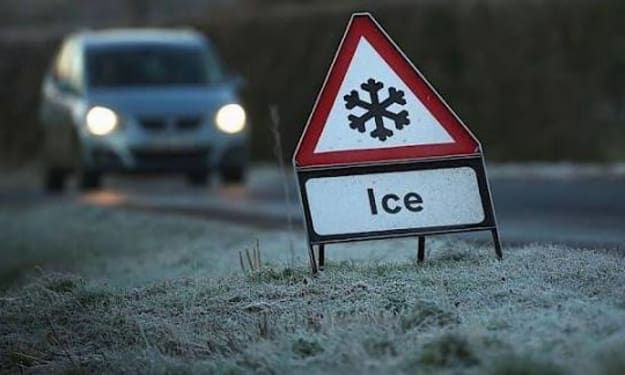
Slippery roads, travel delays, and safety concerns as temperatures drop The Met Office has issued a yellow weather warning for ice, alerting the public to potentially dangerous conditions across affected areas. As temperatures fall overnight, untreated roads, pavements, and rural routes are expected to become icy, increasing the risk of accidents and travel disruption. While a yellow warning is the lowest level of weather alert, it should not be ignored. Ice can form quickly and unexpectedly, making everyday journeys hazardous and placing pressure on emergency services. What a Yellow Warning for Ice Means A yellow weather warning is issued when conditions may cause minor disruption and increased risk to safety. In this case, the Met Office warns that freezing temperatures could lead to ice forming on roads and walkways, particularly overnight and during early morning hours. Drivers, pedestrians, and cyclists are advised to remain cautious, as even small patches of ice can cause vehicles to skid or people to slip. Rural areas and higher ground are especially vulnerable due to lower temperatures and fewer treated surfaces. How Ice Forms So Quickly Ice often forms when temperatures drop close to or below freezing, especially after rain or melting snow. Moisture left on roads and pavements can freeze rapidly, creating black ice, which is nearly invisible and extremely dangerous. Black ice is particularly common: In shaded areas On bridges and overpasses On untreated country roads Because it is hard to see, black ice is responsible for many winter accidents. Impact on Travel and Transport Icy conditions can cause significant disruption to travel, even when snowfall is minimal. Road traffic accidents often increase during icy spells, leading to delays and congestion. Public transport services may also be affected. Buses can struggle on steep or untreated roads, while rail services may operate at reduced speeds to maintain safety. Airports may face minor delays due to icy runways or aircraft de-icing procedures, especially during early morning departures. Authorities urge travelers to: Check travel updates before leaving Allow extra time for journeys Avoid unnecessary travel during icy conditions Risks for Pedestrians and Cyclists Ice is not only a threat to drivers. Pedestrians and cyclists face a high risk of injury, particularly on untreated pavements and paths. Slips and falls can lead to broken bones, head injuries, and hospital admissions. Older adults are especially vulnerable, as falls can have long-lasting health effects. Local councils often prioritize gritting main roads, which means pavements and side streets may remain icy for longer. Wearing suitable footwear and walking carefully can reduce risk, but caution remains essential. Pressure on Emergency and Health Services During icy weather, emergency services experience a rise in callouts. Ambulance crews respond to accidents, falls, and cold-related illnesses, while hospitals may see increased admissions. Fire and rescue teams are also affected, responding to road incidents and assisting vulnerable people. These pressures highlight why even moderate weather warnings deserve attention. Healthcare professionals encourage people to check on elderly neighbors and relatives, ensuring they are warm, safe, and have access to essential supplies. How to Stay Safe During Icy Conditions The Met Office and local authorities recommend several practical steps to stay safe: Drive slowly and smoothly, avoiding sudden braking Keep a safe distance from other vehicles Wear shoes with good grip when walking outdoors Use handrails where available Stay informed by checking local weather updates Preparing in advance can help reduce risk and prevent accidents during icy spells. Schools, Workplaces, and Daily Life Ice can also disrupt schools and workplaces, particularly if travel becomes unsafe. Some schools may open late or close temporarily, while employers may allow remote working where possible. For people whose jobs require travel or outdoor work, icy conditions increase the risk of injury. Employers are encouraged to assess risks and take steps to protect staff. Daily routines such as shopping, medical appointments, and social activities may also be affected, especially for those with limited mobility. Why Winter Warnings Matter Weather warnings are designed to give people time to prepare, not to cause alarm. Even a yellow warning can help reduce accidents by encouraging caution and awareness. Meteorologists note that winter weather in the UK can be unpredictable. Rapid changes in temperature mean ice can form even when conditions appear calm. Climate experts also point out that while average temperatures may rise over time, extreme and sudden cold spells are still possible, making preparation essential. Community Awareness and Responsibility Local communities play an important role during icy weather. Neighbors clearing pathways, sharing information, and checking on vulnerable residents can make a real difference. Many councils encourage residents to clear snow and ice from pavements outside their homes where it is safe to do so. These small actions help reduce injuries and keep communities moving. Conclusion The Met Office’s yellow weather warning for ice serves as an important reminder that winter conditions can be dangerous, even without heavy snow. Slippery roads, icy pavements, and reduced visibility all increase the risk of accidents and disruption. By staying informed, taking sensible precautions, and looking out for others, communities can reduce the impact of icy weather. While winter hazards cannot be avoided entirely, awareness and preparation remain the best tools for staying safe when temperatures fall.
By Fiaz Ahmed 2 days ago in Longevity



Comments
There are no comments for this story
Be the first to respond and start the conversation.