
Busting the Myths
Common Misconceptions About Bottled Water
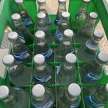

In the modern era, bottled water has become a ubiquitous part of everyday life. From gym bags to office desks, these portable hydration sources have cemented their place in our daily routines. However, the growing popularity of bottled water has also given rise to a number of myths and misconceptions that deserve closer examination.
Perhaps the most pervasive myth surrounding bottled water is the belief that it is inherently "purer" or "healthier" than tap water. While it's true that some bottled waters undergo more stringent filtration processes, the reality is that the safety and quality standards for both tap and bottled water are stringently regulated by government agencies like the Environmental Protection Agency (EPA) [1] and the Food and Drug Administration (FDA) [2]. In the United States, the EPA sets rigorous standards for over 90 contaminants in drinking water, including bacteria, viruses, and chemicals. The FDA, on the other hand, regulates bottled water as a food product, with slightly less stringent testing requirements [3]. However, a 2009 study by the National Research Council concluded that both tap water and bottled water meet basic safety standards when sourced from reputable companies and municipal supplies [4].
Another common misconception is that all bottled waters are created equal. In reality, the bottled water industry is remarkably diverse, with a wide array of sources, mineral compositions, and processing methods. The FDA categorizes bottled water based on its origin and mineral content [5]. "Spring water," for instance, is required by the FDA to be collected from an underground source that taps into a natural spring and contain no added minerals [5]. "Purified water," on the other hand, can be sourced from various places, including municipal supplies, and undergo extensive filtration processes like distillation or reverse osmosis to remove minerals and impurities [5]. Sparkling water, meanwhile, can be either spring water or purified water that has been infused with carbon dioxide for a bubbly texture [5]. Understanding these distinctions is key to making informed purchasing decisions, especially for those seeking specific mineral content or taste profiles.
Perhaps the most harmful myth, however, is the notion that bottled water is an environmentally-friendly choice. The reality is that the production and distribution of bottled water has a significant environmental impact, from the fossil fuels required for manufacturing plastic bottles and transportation to the growing problem of plastic waste. A 2018 study published in the journal PLOS ONE found that the global bottled water industry generates over 1 million tons of plastic packaging waste each year, with a significant portion ending up in landfills or polluting our oceans [6].
By debunking these common myths, consumers can make more informed and sustainable choices when it comes to their hydration needs. Whether opting for a reusable water bottle and refilling it with tap water or carefully selecting a bottled water brand with minimal environmental impact and responsible sourcing practices, a better understanding of the bottled water industry can empower individuals to make more mindful decisions.
Footnotes:
https://www.epa.gov/
https://www.fda.gov/
"Bottled Water: Regulation and Safety." Food and Drug Administration, U.S. Department of Health and Human Services, https://www.fda.gov/consumers/consumer-updates/bottled-water-everywhere-keeping-it-safe
National Research Council. 2009. "Review of the Evidence on Bottled Water Use." The National Academies Press, Washington, DC. https://www.nrdc.org/stories/bottled-water-vs-tap-water
"CFR - Code of Federal Regulations Title 21." Food and Drug Administration, U.S. Department of Health and Human Services, https://www.accessdata.fda.gov/scripts/cdrh/cfdocs/cfcfr/cfrsearch.cfm
Riniawati, Dwi Maya, et al. "Plastic waste generation and its association with development status in SIDS and LDCs." PLOS ONE 13.5 (2018): e0196273.
About the Creator
Sparkling Mineral Water Da Nang
Your Source for Refreshing and Revitalizing Hydration. We are on a mission to uncover the geological, historical, and scientific secrets that make each natural mineral water truly one-of-a-kind.
Keep reading
More stories from Sparkling Mineral Water Da Nang and writers in Longevity and other communities.
How to Decode the Mineral Composition of Bottled Waters
As the bottled water industry continues to expand, consumers are faced with a dizzying array of options on grocery store shelves. From spring waters and purified waters to mineral-rich artesian sources, the differences between these products can be confusing. However, understanding the mineral composition of bottled waters is key to selecting the right hydration for your individual health needs.
By Sparkling Mineral Water Da Nang2 years ago in Longevity
Day 4 of Quitting
If this is how sobriety feels, maybe it’s better to go through life a little buzzed… this, along with other hits like, I want to kill myself, I wish I was dead, and I’m going to throw myself off a bridge have been the only thoughts on rotation these past few days. I promise myself that if, in a month, I still feel like this (‘this’ meaning despondent, full of rage, and simultaneously numb) I can go back to smoking. Until mid-February though? Nicotine is off the table.
By sleepy drafts17 days ago in Longevity


Comments
There are no comments for this story
Be the first to respond and start the conversation.