
Breathwork vs. Meditation: What’s the Difference and When to Use Each
Understanding two powerful tools for mental clarity, calm, and resilience

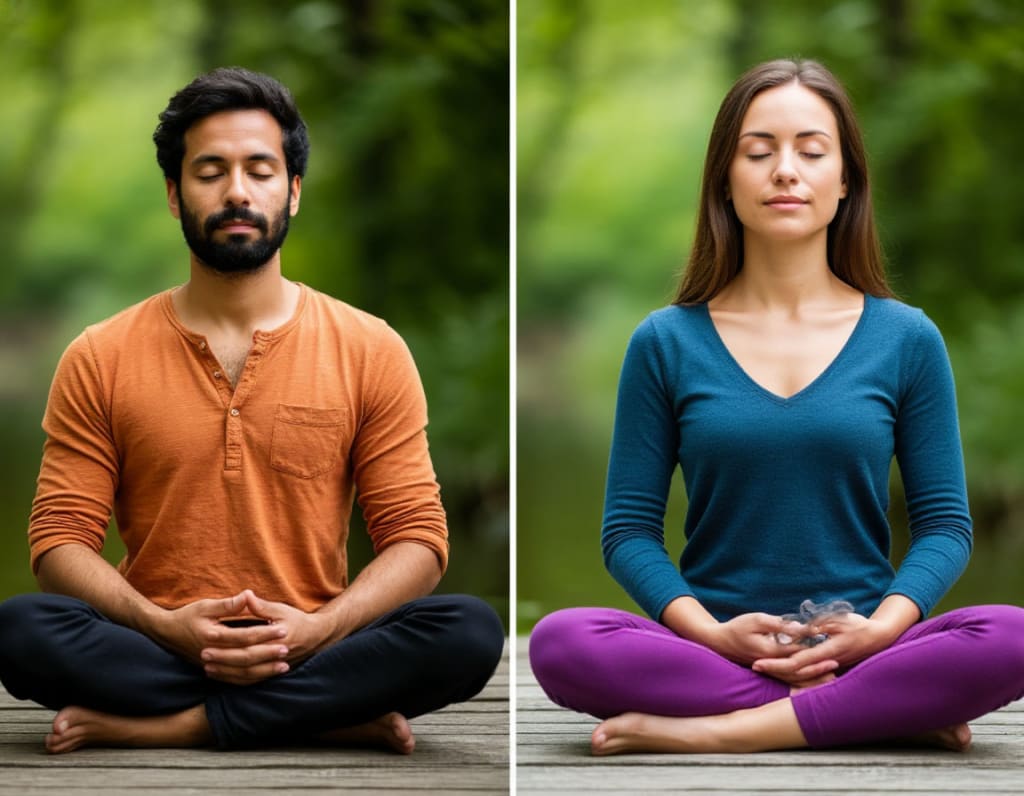
In the world of mindfulness and mental well-being, two practices often come up: breathwork and meditation. While they’re frequently mentioned together—and sometimes even used interchangeably—they’re not the same. In fact, each has its own unique approach, purpose, and impact on the brain and body.
Knowing when to use breathwork and when to lean into meditation can help you get the most out of both practices. Whether you’re looking to calm your nerves, boost your energy, or cultivate long-term inner stability, understanding the difference is key.
What Is Breathwork?
Breathwork refers to intentional, controlled breathing techniques designed to influence your mental, emotional, or physical state. It’s active and often rhythmic—sometimes fast and energizing, sometimes slow and calming.
Popular forms include:
Box breathing (inhale-hold-exhale-hold in equal counts)
4-7-8 breathing (inhale for 4, hold for 7, exhale for 8)
Wim Hof Method (deep rhythmic breathing followed by breath retention)
Alternate nostril breathing (used in yogic practices)
Breathwork works quickly. Within a few minutes, it can lower your heart rate, reduce cortisol, or even bring about altered states of consciousness. It’s especially helpful when you’re feeling overwhelmed or stuck in a loop of anxious thoughts.
What Is Meditation?
Meditation, on the other hand, is more about cultivating awareness. It usually involves observing your breath, thoughts, or body without trying to change anything. It’s a still, receptive practice that encourages you to notice what’s happening in the moment.
Common meditation styles include:
Mindfulness meditation
Loving-kindness (metta) meditation
Body scan meditation
Transcendental meditation
Unlike breathwork, which often seeks a state change, meditation is about acceptance and presence. It doesn’t aim to fix or shift your emotions in the moment, but rather builds long-term mental stability, attention, and emotional regulation.
The Neuroscience Behind Each Practice
Both breathwork and meditation affect the brain—but in different ways.
Breathwork can rapidly influence the autonomic nervous system, shifting you from “fight or flight” into “rest and digest” mode. It activates the vagus nerve, reduces sympathetic nervous system dominance, and stabilizes your heart rate variability. Breathwork has also been linked to the release of endorphins and increases in oxygenation of the brain.
Meditation, meanwhile, strengthens the prefrontal cortex (attention and decision-making), reduces activity in the amygdala (fear and stress response), and supports the default mode network—helping you manage thoughts and emotions more mindfully. Long-term meditators show increased gray matter density in areas related to learning, memory, and self-awareness.
When to Use Breathwork
Use breathwork when you need:
Immediate stress relief
A quick energy reset
Help calming down before sleep
To prepare for meditation or focus-intensive work
To release emotional tension stored in the body
Breathwork is especially effective in the short term, and can act as a bridge into deeper mindfulness practices.
When to Use Meditation
Use meditation when your goal is:
Long-term emotional regulation
Deepening self-awareness
Building resilience to stress over time
Developing focus and concentration
Cultivating compassion, patience, and acceptance
Meditation is a slow build—its power comes from consistency, not intensity. But over time, the changes it brings are profound and lasting.
Can You Combine Both?
Absolutely. Many people use breathwork to prepare for meditation, especially if the mind feels scattered or the body tense. A few minutes of controlled breathing can calm the nervous system and help you settle into stillness.
Think of breathwork as the warm-up and meditation as the workout. Together, they form a powerful practice for mental, physical, and emotional well-being.
Final Thought
Breathwork and meditation aren’t in competition—they’re companions. One offers rapid state shifts, the other slow, sustainable transformation. Learning when and how to use each can help you navigate anxiety, burnout, distraction, and emotional overload with greater clarity and control.
So, next time you feel off-center, ask yourself: do I need to shift—or simply sit? Your breath knows the answer.
About the Creator
Keep reading
More stories from Marina Gomez and writers in Longevity and other communities.
From Chaos to Clarity: How Meditation Affects Cognitive Load
In our hyper-connected world, the brain is constantly juggling an overwhelming amount of information. Notifications, emails, meetings, endless to-do lists — all contributing to what psychologists call cognitive load, the mental effort used to process and store information.
By Marina Gomez8 months ago in Longevity
7 Habits That Can Spike Your Morning Blood Sugar
Blood sugar levels that are consistently high in the morning can happen for a variety of reasons. Habits such as poor-quality sleep, intense evening exercise, nighttime snacks or alcohol, and skipping dinner can all contribute to high morning blood sugar, as can insulin timing and type.
By Good health to everyoneabout 17 hours ago in Longevity



Comments
There are no comments for this story
Be the first to respond and start the conversation.