
Beyond Toast and Cereal: My 5-Year Chinese Breakfast Adventure
Dawn Delicacies: The Art and Soul of Chinese Morning Meals

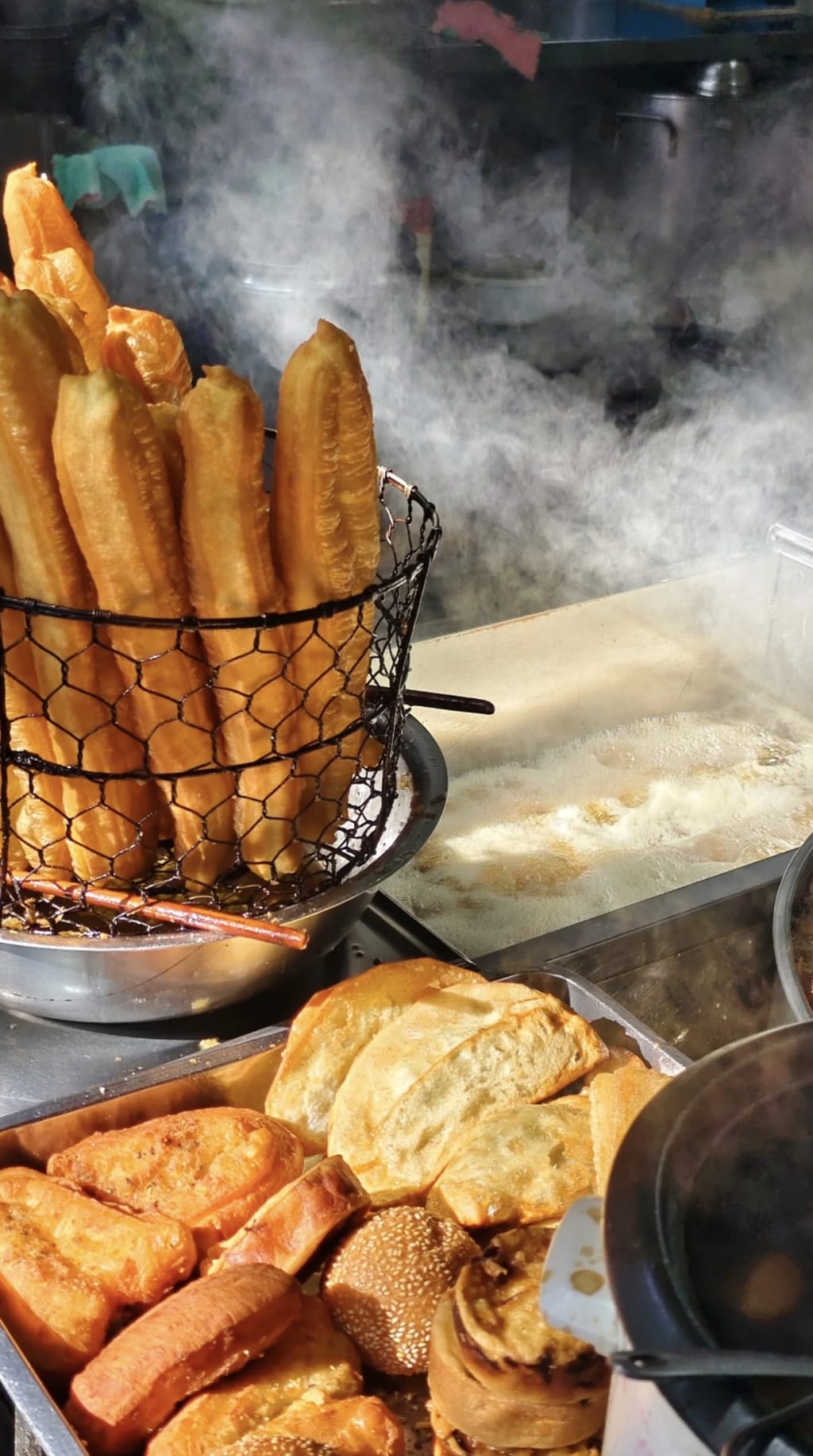
It was 6:30 AM in Shanghai when I first realized breakfast could be life-changing.
I stood in a cramped alley watching an elderly man stretch dough with practiced hands, transforming it into ethereal noodles through a dance of pulls and slaps. Nearby, a woman flipped sizzling shengjianbao with chopsticks, the sound punctuated by hissing steam escaping their crispy bottoms. Down the street, the air filled with the intoxicating aroma of hot oil cascading over chili-flecked noodles.
This wasn't breakfast as I knew it. This was theater, tradition, and pure sensory bliss.
During my five years living across China, morning meals became my obsession. I discovered that Chinese breakfast isn't just sustenance—it's a breathtaking kaleidoscope of regional pride, centuries-old techniques, and flavors that kick-start your senses at dawn. Here are the six breakfast revelations that forever ruined boring cereal for me (calorie counts included for my fellow trackers, though sometimes ignorance truly is bliss).
1. Soy Milk + Fried Dough Sticks (Doujiang + Youtiao)
My first morning in Beijing, jet-lagged and disoriented, I followed my nose to a tiny storefront where an older couple had been making the same two items for 30 years. Nothing prepared me for the simple perfection of that first youtiao dipped in fresh doujiang.
This iconic duo haunts every corner of China, from gleaming Shanghai malls to dusty village crossroads. The youtiao—essentially a savory churro—emerges from bubbling oil with a shattering-crisp exterior hiding a cloud-like center. The accompanying doujiang (soy milk) isn't the boxed stuff we buy in American supermarkets—it's freshly made each morning, rich with bean flavor and silky enough to make you forget dairy.
Together, they create the perfect bite: crunch, cream, salt, subtle sweetness. The calorie counter in me winces at the 400 calories per 100 grams of golden-fried youtiao, but some rituals transcend nutritional spreadsheets. I eventually limited myself to this indulgence on Sundays, watching elderly Chinese put us all to shame by eating it daily well into their 90s.

2. Rice Noodle Rolls (Chang Fen)
Originating in Guangdong, rice noodle rolls have spread throughout the country due to their tender texture and affordable price. The essence of chang fen lies in eating them freshly steamed. The rice sheets are filled with meat, eggs, shrimp, and other ingredients, sprinkled with green onions, and drizzled with a spoonful of soy sauce. The flavor is deliciously savory, smooth, and tender. Whether for breakfast or a late-night snack, a serving of chang fen can leave anyone completely satisfied. These rice rolls are steamed and contain vegetables, protein, and starch, making them nutritionally balanced and healthy at only 120-150 calories per 100 grams.

3. Pan-Fried Buns and Potstickers (Shengjianbao and Guotie)
These are absolutely among my favorite breakfasts! Of course, they're also calorie bombs, with both containing around 250-300 calories per 100 grams. In Shanghai, mornings often start with a basket of pan-fried buns and a bowl of soy milk—simply delightful! The most delicious part of shengjianbao is the golden, crispy bottom, paired with the soft, juicy meat filling, which is incredibly tempting. Equally delicious are potstickers. The difference between the two is that shengjianbao has a bun shape with thicker skin, while potstickers have a dumpling shape with thinner skin, but their flavors are quite similar. If you travel to Shanghai, you must try authentic shengjianbao and potstickers in the morning. Shengjianbao fillings come in many varieties, including pork, shrimp, and even crab! Potstickers typically contain pork or beef fillings.

4. Jianbing (Chinese Crepes)
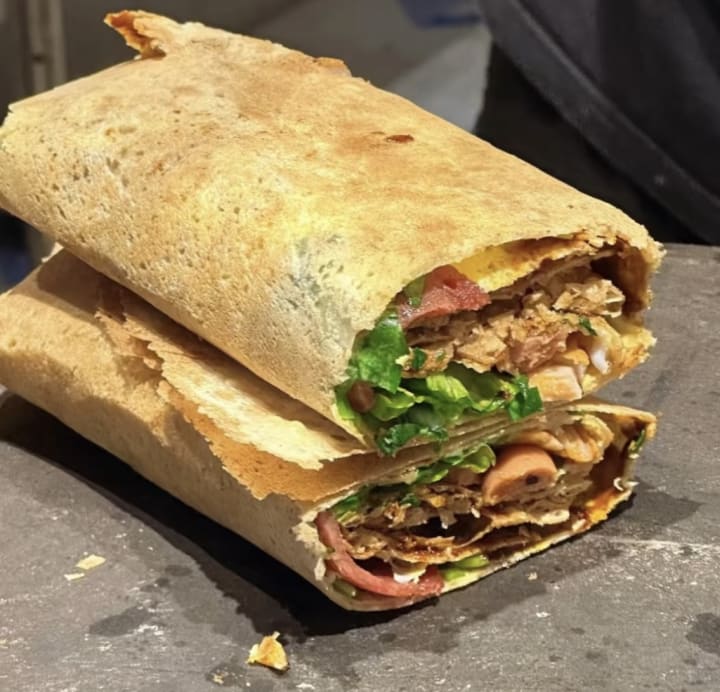
Jianbing is another "internet-famous breakfast," originating most authentically from Shandong province. The pancake is typically made with multi-grain flour, spread thin, topped with an egg, brushed with a layer of sweet bean sauce, sprinkled with green onions, and filled with a crispy wafer or a crispy youtiao. You can add extra vegetables or sausage before it's folded and wrapped, releasing an enticing aroma. Many people (like me) buy a jianbing on their way to work paired with a coffee, eating while walking (I know many find this incredible). It's truly one of the best choices for office workers seeking a quick, filling breakfast. Similar to potstickers, jianbing contains about 250-300 calories per 100 grams.
5. Rice Noodles (Mi Fen)
For me, rice noodles make for a delicious weekend breakfast. There are many types of rice noodles throughout China, so preparation methods and condiments vary considerably. In Shanghai, the most common is Guilin rice noodles from Guangxi (a province in southwest China). The typical way to eat them is to cook or soak the noodles, then combine them with a prepared broth, vegetables or mushrooms, meat, and peanuts. After mixing everything together, the taste is simply irresistible. I like to enjoy rice noodles as brunch after sleeping in on weekends (yes, they're high in calories—over 550 calories per bowl of soup noodles). Covering both breakfast and lunch makes me feel justified in consuming such a high-calorie meal.

6. Noodles (Mian)
There are far too many types of noodles to count—I could practically write a separate article about them. I've tried Lanzhou hand-pulled noodles, Wuhan hot dry noodles, Chongqing noodles, Sichuan dan dan noodles, Xi'an oil-splashed noodles, and more. Almost every city has its own specialty noodles. They're all delicious, but my favorite is Xi'an's oil-splashed noodles (You Po Mian). After trying them once in Xi'an, I could never forget them. At 600-700 calories per bowl, I often choose them as my weekly indulgence meal.
The noodles for You Po Mian must be hand-pulled. The masters use high-gluten flour and an appropriate amount of salt to knead the dough, which after repeated kneading and proofing, is finally pulled into flat noodles of medium width with thin centers and thick edges. This unique shape is able to perfectly carry the seasonings, and when bitten into, offers a satisfyingly chewy texture. The main ingredients for these noodles include chili powder, garlic, scallions, vinegar, and Sichuan pepper powder. After cooking the noodles, these seasonings are added, then 180-200°C hot oil is poured over them to release the fragrance of the ingredients. The noodles are then quickly mixed to ensure each strand is evenly coated with seasoning. These steps might seem simple, but true masters need thousands of practice attempts to perfect the technique.

What My Morning Chopsticks Taught Me
Last week, I caught myself sighing at my toaster.
After five years of Xi'an oil-splashed noodles and Shanghai's perfect dumplings, I was staring down at plain wheat bread and feeling shortchanged. That's what happens when you've watched masters who've spent decades perfecting a single breakfast dish that most Americans would never even consider before noon.
Something fundamental shifted in me during those 5am Chinese breakfast hunts. I'd stumble through humid alleys guided by the percussion of chopsticks against woks, trailing lines of locals who knew exactly which unassuming stall served transcendent congee or life-changing dumplings.
I learned that in China, breakfast isn't the day's forgotten meal—it's the one worth getting up early for.
Back home now, I can't recreate the exact magic of a Chongqing street corner at dawn. But I've kept something more important: the conviction that my first meal deserves thought and presence. Some weekends I attempt hand-pulled noodles (my kitchen still bears the flour-dusted evidence of my failures). Other mornings, I simply bring intention to whatever I'm eating, rejecting the sad desk breakfast of my former life.
The greatest souvenir from my Chinese breakfast odyssey wasn't a recipe—it was permission to care about the day's first flavors. To believe that starting your morning with something truly delicious isn't indulgent—it's human.
Got a breakfast worth getting up early for? Share your morning ritual in the comments. I'm especially interested in hearing from those who've discovered breakfast traditions that made you question everything you thought you knew about the first meal of the day.
About the Creator
Gilda Samantha
I'm that weird friend who gets equally excited about deadlifts AND desserts—a yoga lover who refuses to give up pasta.
Keep reading
More stories from Gilda Samantha and writers in Longevity and other communities.
To Carb or Not to Carb: The Great Breakfast Debate for Your Waistline
I've seen every breakfast trend come and go faster than a bagel in a toaster. The question of whether to include carbohydrates in your morning meal is one that sparks heated debates at brunch tables everywhere, and trust me—the answer isn't as simple as your ex's explanation for why they didn't text back.
By Gilda Samantha10 months ago in Longevity
Day 4 of Quitting
If this is how sobriety feels, maybe it’s better to go through life a little buzzed… this, along with other hits like, I want to kill myself, I wish I was dead, and I’m going to throw myself off a bridge have been the only thoughts on rotation these past few days. I promise myself that if, in a month, I still feel like this (‘this’ meaning despondent, full of rage, and simultaneously numb) I can go back to smoking. Until mid-February though? Nicotine is off the table.
By sleepy drafts7 days ago in Longevity



Comments
There are no comments for this story
Be the first to respond and start the conversation.