

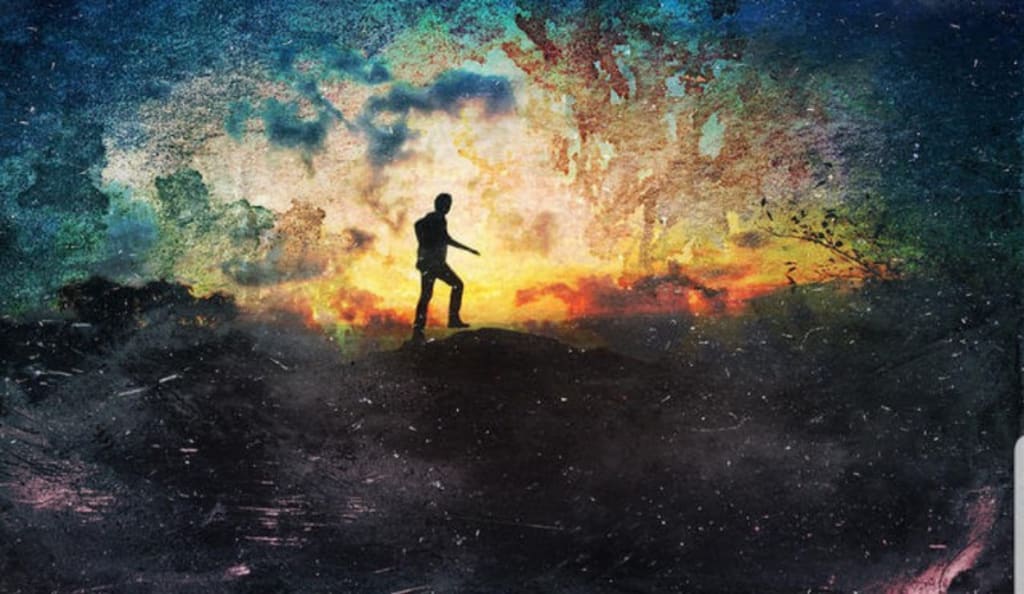
Who is Jung? What did he discover?
Carl Gustav Jung was a Swiss psychologist and psychiatrist who we know best through his concept of the Collective Unconscious. He also proposed and developed the ideas for extroverted and introverted personalities and archetypes. Jung worked closely with Sigmund Freud for many years, but eventually came to a disagreement and parted ways. One of the disagreements between these two incredible psychologists dealt with the unconscious mind. Freud believed the unconscious held our repressed thoughts, traumatic memories, and our libido which eventually resulted in mental illness. Jung, however, believed the unconscious was divided between the personal and collective.
Jung described the collective unconscious almost like an idea board in an office. All these ideas, from many different people, are all put down in one place and from there they get used and become familiar. While Freud puts the unconscious in a spotlight, Jung believed it to be a simple “gathering place” for content. From here, it gets divided into personal and collective.
Our personal unconscious, according to Jung, is our private and personal part of our psyche. It’s not learned and developed over time. Rather, we are born with it and its’ contents. A collective unconscious is a place for all contents and modes of behavior that are, generally, the same everywhere for all individuals. The contents of the collective were referred to as “archetypes.” Jung used common historical references to develop his archetypes like religion and mythology.
Jung’s archetypes are parts of our psyche that are always present. We can think of it as “imagination.” The historical references that Jung used, make up the archetypes of people everywhere, which make us who we are as individuals. Although all archetypes are present not all are observable because one’s culture and personal experience will bring some to light and push others to darkness. While Jung believed there was no limit to the amount that could exist, four main archetypes were discovered.
What are the Archetypes?
The Persona
The first archetype is known as the persona. The persona is easy to remember because it’s simply how we show ourselves to the world. It should be made clear that the persona isn’t who you are, it’s the different masks we have for different social situations. The persona is part of our personality that is molded due to convenience or to fit social norms. It gives humans a chance to be social with everyone and not be anxious. For example, when we’re in school we want to please the teachers and our parents so our persona develops into “student mode.”
While our persona helps us to adapt socially, one who identifies strongly with this archetype can be seen as “self-centered.” Being too focused on the persona puts personal growth on halt.
Freud believed that the unconscious held any bad impulses and emotions that weren’t “cool.” Jung also believed that the persona archetype shields our ego from negativity. The shielded negativity then forms into what Jung called “The Shadow.”
The Shadow
This negativity that our persona pushes to the side isn’t always bad. Sometimes our wants and needs were looked down on by others or we needed to make a drastic decision to protect ourselves. The shadow archetype is known as the darker side of our psyche and it doesn’t stay in the darkness forever. The content in the shadow archetype can be let out through dreams with figures that humans see as “evil” such as snakes, monsters, or demons.
This content can also be projected on to other human beings. This means the qualities we dislike in other people and attempt to stay away from are actually our qualities. Jung believed that when our shadow archetype becomes dominant we are ready for a new chapter in life.
For example, if Johnny Appleseed was born into a family that raised him to be masculine and “emotionless” then the feelings of love or the urge to be a caretaker are hiding in the shadow. When Johnny gets married and has a child, the shadow archetype will rise and force him to discover this content.
The Anima and Animus
The anima and animus are the feminine and masculine images of the psyche. While the persona is our “mask,” the anima/animus represents our true self and primarily communicates with the collective unconscious
Changes to our bodies as we grow older, social influences, and family households all play an important part in this archetype’s development. We see a lot of opinions on how males should behave and how females should behave, but Jung believed in order to be complete or whole one needed to explore both the anima and the animus. Society often viewed masculinity as the superior of the two, but Jung saw the anima and animus as two-halves which worked to be a balance for the other.
The Self
Jung often referred to the self as the wise man archetype. This archetype represented one who has their unconscious and conscious mind working together as a team, rather than pushing and shoving. The self is created through what Jung calls “individuation.”
"The self" brings all archetypes together in such a way that they are all well-developed and integrated. The shadow archetype holds many repressions that are useful in daily life, while the anima and animus work well as a team.
Why are the archetypes important?
Carl Jung’s archetypes can be important to individuals for many different reasons, but the biggest reason is to achieve individuation. Jung’s individuation can be associated with self-actualization from Maslow’s Hierarchy of Needs.
Achieving this individuation means having all your potential fulfilled and all your talents are known and practiced. This is what we can think of as the ultimate satisfaction, or happiness, in life.
Every day we should have a top priority… by top priority, I mean the absolute most important one. This should be taking care of your own body and mind before anything else.
Don’t be afraid to dig deep into your mind and soul. All that will be there is what is already there, and if you can find the power to bring that to consciousness then you have the power to work and improve whatever needs to be.
Go be the best you there is.
“Knowing your darkness is the best way to deal with the darkness of other people. “ -Carl Jung
About the Creator
MaKayla Dulaney
Hard-working Psychology student who cherishes this world and aspires to make a change through writing, connections, and travel.
Keep reading
More stories from writers in Longevity and other communities.
📢 Raise Your Voice Thread: 03/05/2026
Our “Raise Your Voice Threads” are hosted most alternating Thursdays at 12PM ET to offer creators more avenues to uncover exceptional stories on Vocal. As we are continuously searching for fresh creators and inspiring stories, this thread provides an opportunity to exchange and discuss the stories that have moved and motivated us on Vocal.
By Raise Your Voice by Vocal4 days ago in Resources



Comments
There are no comments for this story
Be the first to respond and start the conversation.