
“Always Online, Always Alone”: The Mental Health Toll of Digital Overload
How constant connectivity is quietly unraveling our emotional well-being—and what we can do about it.

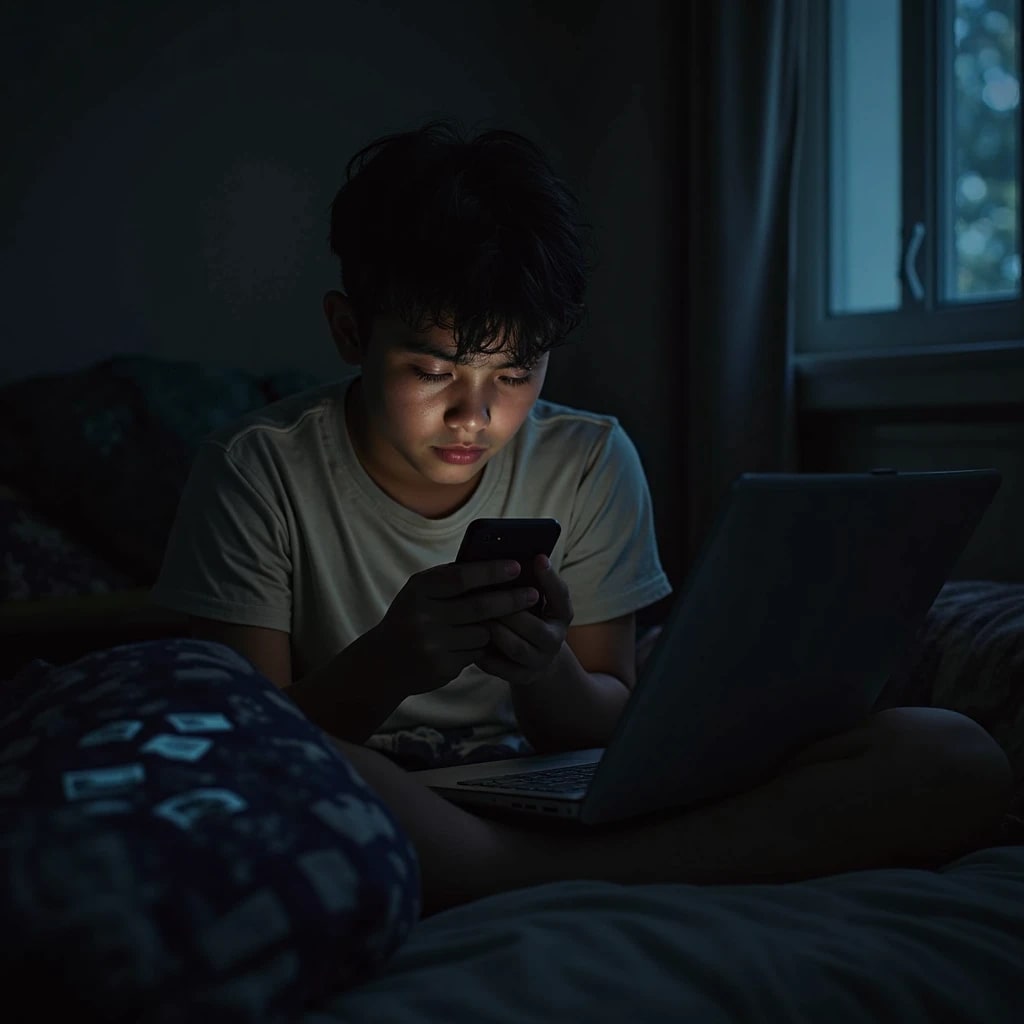
I’ll be honest—there are days when I pick up my phone before I’ve even opened both eyes.
A flood of notifications. Messages. Emails. A quick scroll through Instagram or TikTok. Something funny. Something infuriating. Something triggering. Something that makes me feel like I’m already behind… and it’s not even 8 a.m.
We call it being “connected.” But more and more, I find myself wondering—connected to what, really? Because most days, I feel more overstimulated than supported. And I know I’m not alone.
Digital life was supposed to make everything easier. We can work from anywhere, talk to anyone, order anything, stay in touch with everyone. But somewhere along the way, the line between plugged in and burned out got dangerously blurry.
The mental health cost? It’s starting to show.
We’re more available—but also more anxious.
More informed—but more overwhelmed.
More digitally “social”—but lonelier than ever.
And the hardest part is that this digital overload feels normal now. Like background noise we’ve just gotten used to.
So what exactly is digital overload doing to us?
It’s not just about screen time. It’s deeper than that.
📱 It messes with our focus.
Constant alerts and multitasking fragments our attention. Our brains never get a break, which means we’re always slightly on edge.
📱 It fuels comparison and self-doubt.
Seeing everyone else’s curated highlights 24/7 makes our own lives feel…less. Even when we know it’s just a filter, our minds still internalize the pressure.
📱 It makes it hard to be present.
Real-life moments lose their weight when we're half-scrolling through them. We stop feeling things deeply because we’re always half-somewhere else.
📱 It isolates us—ironically.
We’re messaging more but connecting less. Video calls replace visits. Emojis replace emotion. We feel “busy” but emotionally untouched.
If this resonates, I want you to know:
It’s not a personal failure. It’s a modern condition.
We weren’t designed to absorb this much input. To be reachable 24/7. To manage a constant stream of opinions, crises, and highlight reels. Our nervous systems weren’t built for it—and they’re quietly breaking down under the weight.
But we don’t have to live like this. Not completely.
Here’s what I’ve started doing—and maybe you can, too.
1. Carve out “digital white space.”
Give your brain actual silence. No scrolling. No music. No stimulation. Just five minutes of nothing. It feels weird at first. Then it feels like breathing.
2. Set “soft” boundaries.
You don’t have to do a digital detox. But try little shifts:
No phone for the first 30 minutes of your day
No screens during meals
Put your phone in another room when you’re resting
These tiny pauses add up.
3. Stop performing your peace.
You don’t have to post your wellness to prove it. Not every walk needs a selfie. Not every journal needs a quote. Let some things be just for you.
4. Reach out the old-fashioned way.
Call someone. Write a note. Hug a person you love. Real connection doesn’t live behind a screen. You might be surprised how much more full it feels.
5. Give your nervous system a break.
Rest. Breathe. Meditate. Move slowly. Anything that reminds your body that it’s safe—even if your screen keeps trying to convince it otherwise.
We don’t have to throw away our devices or go off-grid. But we do need to remember that just because we’re online doesn’t mean we’re truly connected.
Real rest isn’t just turning off your phone—it’s tuning back into yourself.
So if your brain feels loud lately... if your chest feels tight for no reason... if you’re surrounded by content but starving for meaning—it might be time to unplug, just a little.
Not to escape. But to remember what it feels like to simply exist, undistracted and alive.
About the Creator
The Healing Hive
The Healing Hive| Wellness Storyteller
I write about real-life wellness-the messy, joyful, human kind. Mental health sustainable habits. Because thriving isn’t about perfection it’s about showing up.
Keep reading
More stories from The Healing Hive and writers in Longevity and other communities.
The Hidden Cost of “Always Being the Strong One”
I don’t know who needs to hear this, but being "the strong one" all the time is exhausting. You know the role. You're the one who shows up. The one who listens. The one who holds space for everyone else’s pain—offering advice, cracking jokes to ease tension, checking in before you’re checked on.
By The Healing Hive8 months ago in Longevity
Day 4 of Quitting
If this is how sobriety feels, maybe it’s better to go through life a little buzzed… this, along with other hits like, I want to kill myself, I wish I was dead, and I’m going to throw myself off a bridge have been the only thoughts on rotation these past few days. I promise myself that if, in a month, I still feel like this (‘this’ meaning despondent, full of rage, and simultaneously numb) I can go back to smoking. Until mid-February though? Nicotine is off the table.
By sleepy drafts11 days ago in Longevity
Best Kratom Strains for Euphoria, Energy, and Mood Enhancement
Kratom, also known as Mitragyna speciosa, is a tropical tree native to Southeast Asia. People use kratom in herbal form for pain relief, mood support, and opioid withdrawal. Others use it for recreational effects such as mild euphoria, higher energy, and lower anxiety. Common formats include tea, powder, and capsules.
By Jack Wilder3 days ago in Longevity
Ludacris and Nelly draw backlash over bookings at MAGA-coded music festival
Ludacris and Nelly headlining a mostly right-wing event is good for them. It’s also great for the genre of hip hop. The two rap veterans have showcased their talents on other stages. Why can’t they perform for mostly MAGA folks and grab that bag?
By Skyler Saunders3 days ago in Beat



Comments
There are no comments for this story
Be the first to respond and start the conversation.