


HEALTHY DIET
A HEALTHY DIET IS THE FIRST STEP IN ORAL HEALTH.
A simple realization in my seven-year-old daughter over cake and ice cream at a birthday celebration became a family catchphrase and tooth brushing practice. She told us she was wearing "sweaters" on her teeth. Maybe if she brushed her teeth, they'd go away. When we saw "sweaters" on our teeth, we knew it was time to brush.
Plaque-forming bacteria produce a sticky biofilm on the teeth as they thrive on the sugar and starch coating the tooth surface and in between teeth, giving the sensation of a "sweater." Within 20 minutes of eating, the bacteria become active. If plaque-forming bacteria are not removed by brushing, acid is produced, which destroys enamel. If you don't wash your teeth regularly, you'll develop cavities. Missing a brushing every now and then isn't normally a problem, especially if you practice proper dental hygiene, but a long-term habit of not brushing or seeing your dentist is.
Plaque hardens into tartar, also known as calculus, which accumulates on teeth and along the gum line, irritating gum tissue and causing gingivitis. Tartar is impossible to brush away, necessitating a trip to the dentist for a cleaning.
Untreated gingivitis leads to periodontal disease (periodontitis), a more serious inflammation that leads to pockets between the gums and teeth. More plaque, tartar, and bacteria accumulate in these pockets, causing inflammation and tissue and bone loss, as well as tooth loss. Fortunately, improved oral health care has reduced the number of people who lose their teeth due to decay and gum disease in recent years.
The maintenance of good physical health is a powerful reason to maintain good dental health. Inflammation of the mouth is a complicated process that has the potential to boost blood sugar (glucose) levels in diabetics, making blood sugar control even more difficult. Brushing your teeth twice a day with a fluoride toothpaste and flossing daily are recommended by the American Diabetes Association and the American Dental Association, respectively. Make an appointment with your dentist at least twice a year to have your teeth and gums checked and cleaned. Diabetes patients are also at a higher risk of heart disease. The inflammatory process can cause plaque to build in the arteries and place a strain on your immune system.
Due to many chronic medical problems, those over the age of 75 are at a higher risk for poor dental health. Some of the treatments they're taking may create "dry mouth," which promotes bacterial development. Eating might be difficult due to a sore mouth or ill-fitting dentures, resulting in inadequate nutrition. Physical limitations may make it difficult for a person to maintain adequate self-oral health care, such as brushing their teeth. Assisting that person with dental health care improves their overall health.
Starting in childhood and continuing throughout adulthood, a nutritious diet promotes good oral health.
Avoid sugar-sweetened beverages, including sugar in coffee, because they retain a steady flow of sugar across your teeth, same as sucking on hard or sticky candy, sweets in general, and sticky dry fruit like raisins.
Bottle-fed infants should not be sent to bed with a bottle because milk sugar encourages bacterial activity, which can destroy the baby's first teeth.
Grain, vegetable, fruit, protein, and low-fat dairy products should all be part of a well-balanced diet. These foods offer vitamins and minerals that support strong teeth, bones, and gum tissue, such as calcium, potassium, phosphorus, and vitamins A, C, D, and K.
Look for "added sugar" on food labels. Sugar is added to food on a regular basis, which may surprise you.
Instead of consuming sweet snacks and desserts throughout the day or when your toothbrush isn't available, save them right before brushing.
It's not a good idea to chew gum that contains sugar. Try xylitol-sweetened sugar-free gum. Xylitol does not create cavities, but it does enhance salivary flow, which is good for your teeth.
Idea for a Healthy Snack
Combine fresh or frozen berries in a dish of sugar-free yogurt. Add a pinch of Stevia or Splenda to sweeten. To add a little crunch, sprinkle chopped nuts on top.
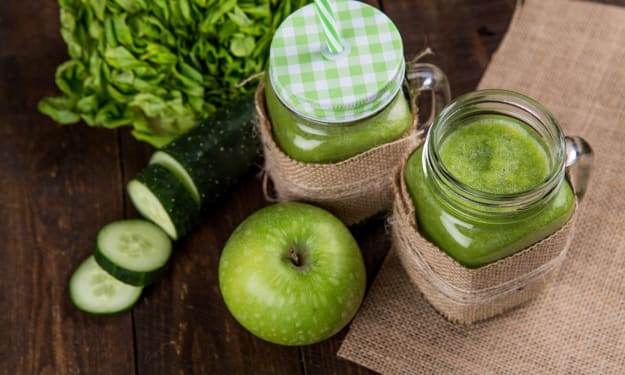
Take a bite out of an apple or a piece of fruit. Despite the fact that fruit contains the sugar fructose, it is less likely than table sugar to encourage bacterial activity.
Mimi Cunningham is an Eagle, Idaho-based dietitian and nutritionist. Her area of expertise in nutrition is diabetes education and management. She enjoys writing about how to enjoy healthy dining while also improving one's health. She is a member of the Idaho Foodbank's board of directors, where she works to combat food insecurity as a barrier to good health for Idaho's children and adults.
About the Creator
Keep reading
More stories from michael kenner and writers in Longevity and other communities.
Staying healthy & strong
5 Tips for a Healthier 2022 Maintaining a healthy lifestyle is always a priority at the start of a new year, but with the COVID-19 epidemic, it is more crucial than ever. In a survey of Americans' New Year's resolutions for 2022, one-quarter of those who made resolutions stated that they wanted to live a healthier lifestyle. With wellness at the forefront of people's minds, doctors, nurses, and dietitians from NewYork-Presbyterian shared their advice with Health Matters.
By michael kenner4 years ago in Longevity
Day 4 of Quitting
If this is how sobriety feels, maybe it’s better to go through life a little buzzed… this, along with other hits like, I want to kill myself, I wish I was dead, and I’m going to throw myself off a bridge have been the only thoughts on rotation these past few days. I promise myself that if, in a month, I still feel like this (‘this’ meaning despondent, full of rage, and simultaneously numb) I can go back to smoking. Until mid-February though? Nicotine is off the table.
By sleepy drafts11 days ago in Longevity
How to Read More: 12 Book-ish Things to Help Clear Your To-Read List
If your to-read list keeps growing faster than you can turn pages, you’re not alone. Many book lovers dream of reading more, yet struggle to find the time, focus, or momentum to actually do it. Between busy schedules, digital distractions, and reading slumps, even the most enthusiastic readers can feel stuck. The good news? Reading more isn’t about speed or pressure—it’s about building habits that fit naturally into your life. Here are 12 book-ish, practical ways to finally start clearing that to-read list and rediscover the joy of reading. 1. Ditch the Guilt Around Unfinished Books Not every book is meant for you at this moment. If a title isn’t clicking after a fair try, give yourself permission to stop. Letting go of unread or half-read books creates mental space—and motivation—for books you’ll truly enjoy. 2. Read Multiple Books at Once Contrary to popular belief, reading several books simultaneously can boost your reading life. A novel for bedtime, a non-fiction book for mornings, and a short story collection for quick breaks allow you to read according to your mood and energy level. 3. Always Carry a Book (or E-Reader) Idle moments add up. Waiting in lines, commuting, or sitting between appointments can become reading time if you always have a book handy. Even 10 minutes a day can translate into dozens of finished books over a year. 4. Set a Daily Page Goal—Not a Time Goal Instead of saying “I’ll read for 30 minutes,” try “I’ll read 10 pages.” Page goals feel more achievable and measurable, helping you maintain consistency without feeling overwhelmed. 5. Replace Doom-Scrolling With Page-Turning Social media often steals reading time without us realizing it. Try a simple rule: read for 10 minutes before opening any social app. This small habit shift can dramatically increase your reading hours. 6. Create a Reading Ritual Rituals train your brain to associate reading with comfort. Whether it’s reading with morning tea, before bed, or during lunch breaks, attaching books to a routine makes reading automatic rather than optional. 7. Make Your To-Read List Work for You An endless list can feel intimidating. Break it into smaller categories like “Read This Month,” “Quick Reads,” or “Comfort Books.” Prioritizing makes the list motivating instead of stressful. 8. Embrace Audiobooks Without Shame Audiobooks count. Whether you’re driving, cooking, or exercising, listening to books keeps stories flowing through your life. Many readers find audiobooks help them finish more titles than print alone. 9. Read What Excites You—Not What You “Should” Read Reading isn’t a competition. If thrillers, romance, or fantasy excite you, read them proudly. Enjoyment is the strongest motivator for consistency, not literary prestige. 10. Join a Reading Community Book clubs, reading challenges, or online communities create accountability and excitement. Discussing books with others can reignite enthusiasm and introduce you to titles you might never pick up otherwise. 11. Track Your Reading Progress Seeing progress is powerful. Whether through a reading journal, app, or simple checklist, tracking books read reinforces your habit and gives a sense of accomplishment that fuels momentum. 12. Reread Old Favorites When motivation is low, return to a beloved book. Rereading reminds you why you fell in love with reading in the first place and often acts as a gateway back to new books. Reading More Is About Kindness, Not Discipline Clearing your to-read list doesn’t require superhuman focus or massive lifestyle changes. It’s about removing pressure, choosing joy, and building small habits that last. When reading becomes something you look forward to—rather than another task—it naturally finds its place in your day. Books aren’t meant to be conquered; they’re meant to be experienced. Start small, stay curious, and let stories meet you where you are. Your to-read list will shrink—not through force, but through love.
By Fiaz Ahmed Brohi3 days ago in Longevity


Comments
There are no comments for this story
Be the first to respond and start the conversation.