
A Study on Mental Health
How Mental Health Education Reduces Stigma and Boosts Awareness Among College Students


Mental health challenges are widespread among college students, yet many do not receive the support they need. One major obstacle is stigma—negative beliefs that can discourage students from seeking help.
A recent study examined whether structured mental health education, specifically an Abnormal Psychology course, could reduce stigma and improve awareness on campus.
Why This Matters?
- High Prevalence of Mental Illness: Conditions like anxiety, depression, and stress-related disorders affect many college students.
- Underutilized Resources: Stigma and limited awareness often discourage students from accessing available counseling services and support.
- Risk of Untreated Issues: Untreated mental health problems can severely impact academic performance, social life, and overall well-being.
- Opportunity for Growth: College represents a formative time when young adults often manage their mental health without parental oversight.
The Research Approach
A quantitative study at Georgia Gwinnett College focused on an Abnormal Psychology course covering mental illness diagnoses, symptoms, causes, and treatments. Researchers used two main tools to measure student attitudes and beliefs:
- Beliefs Toward Mental Illness Scale (BTMI): Assesses negative perceptions of mental illness, including dangerousness, incurability, and embarrassment.
- STIG-9 Questionnaire: Evaluates perceived stigma, including cognitive, behavioral, and emotional attitudes toward mental illness.
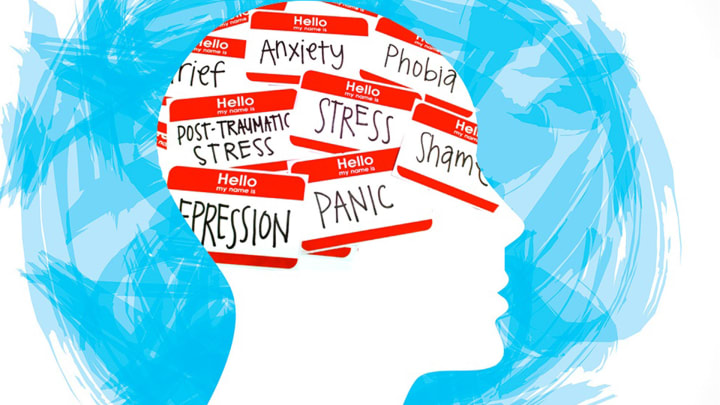
Participants completed the assessments at the beginning and end of the semester to determine whether the course influenced their views on mental health.
Key Findings
Improved Mental Health Beliefs:
Students reported lower BTMI scores after completing the course, suggesting a stronger understanding of mental illness and its treatment. They were more likely to view mental health challenges as treatable and less likely to consider them shameful.
Reduced Stigma:
STIG-9 scores also decreased, indicating that classroom learning and discussions helped dismantle common misconceptions. Students who gained accurate information exhibited fewer stigmatic attitudes.
Correlation Between Awareness and Stigma:
Higher awareness correlated with lower stigma. Students who lacked knowledge about mental health issues tended to exhibit more negative beliefs about mental illness.
Demographic Variations:
- Ethnicity: Notable improvements appeared in Asian and Hispanic groups, highlighting the potential benefits of culturally informed educational strategies.
- Gender: Female students showed measurable improvements in awareness and reduced stigma.
- Personal Experience: Individuals with personal or familial mental health experiences demonstrated meaningful changes in their attitudes.
Read more here - Why Good Mental health is important.
Implications for College Campuses
- Curricular Inclusion: Incorporating mental health topics into academic programs, such as an Abnormal Psychology course, can significantly reduce stigma.
- Awareness Campaigns: Workshops, guest lectures, and student-led events can educate the larger student population, especially those not enrolled in psychology courses.
- Targeted Messaging: Customized approaches that address specific cultural and gender-based perspectives may be especially effective in reducing stigma.
- Encouraging Help: Seeking: Enhanced understanding of mental illness can increase the likelihood of students seeking help from campus counseling services or other support systems.

Practical Steps for Implementation
- Offer Specialized Courses: Departments can create or expand courses that cover mental health, ensuring they are accessible to students in a range of majors.
- Promote Mental Health Resources: Clearly communicate where and how students can find mental health support—whether online, on-campus, or through local providers.
- Normalize Mental Health Discussions: Encourage open conversations and include mental health sessions during orientation and within residence halls.
- Engage Student Groups: Clubs and student organizations can collaborate with counseling centers to lead educational events, thereby reaching a broader audience.
Conclusion
Recent research demonstrates the positive impact of dedicated mental health education on stigma reduction and awareness.
By offering courses that accurately cover the complexities of mental illness, colleges can cultivate a more empathetic and informed campus community. These findings highlight the necessity of further integrating mental health education into college curricula and campus-wide campaigns.
Through strategic efforts, institutions can empower students to seek help, support one another, and ultimately foster a culture that prioritizes mental well-being.
Contact for Further Information
Inquiries about this study can be directed to the Department of Psychology at Georgia Gwinnett College.
(This summary is based on peer-reviewed research supported by Georgia Gwinnett College. The authors report no conflicts of interest.)
Read Detailed Article Here - Mental Health Education, Awareness and Stigma Regarding Mental Illness Among College Students
About the Creator
sachin sain
I share stories, ideas, and insights that inspire a healthier, more mindful way of living. From wellness and self-growth to sustainability and social impact.
Keep reading
More stories from sachin sain and writers in Longevity and other communities.
How Stress Affects Your Body and Mind – And What You Can Do About It
Stress is something we all experience, whether it’s from work, relationships, finances, or unexpected life events. In small doses, stress can be a good thing—it helps us stay alert, focused, and ready to tackle challenges. But when stress becomes a constant presence in our lives, it can take a serious toll on our health.
By sachin sain11 months ago in Longevity
Day 4 of Quitting
If this is how sobriety feels, maybe it’s better to go through life a little buzzed… this, along with other hits like, I want to kill myself, I wish I was dead, and I’m going to throw myself off a bridge have been the only thoughts on rotation these past few days. I promise myself that if, in a month, I still feel like this (‘this’ meaning despondent, full of rage, and simultaneously numb) I can go back to smoking. Until mid-February though? Nicotine is off the table.
By sleepy drafts15 days ago in Longevity


Comments
There are no comments for this story
Be the first to respond and start the conversation.