
7 Benefits of a Whole-Food Plant-Based Diet
Backyard food plant are actually rich in fibers
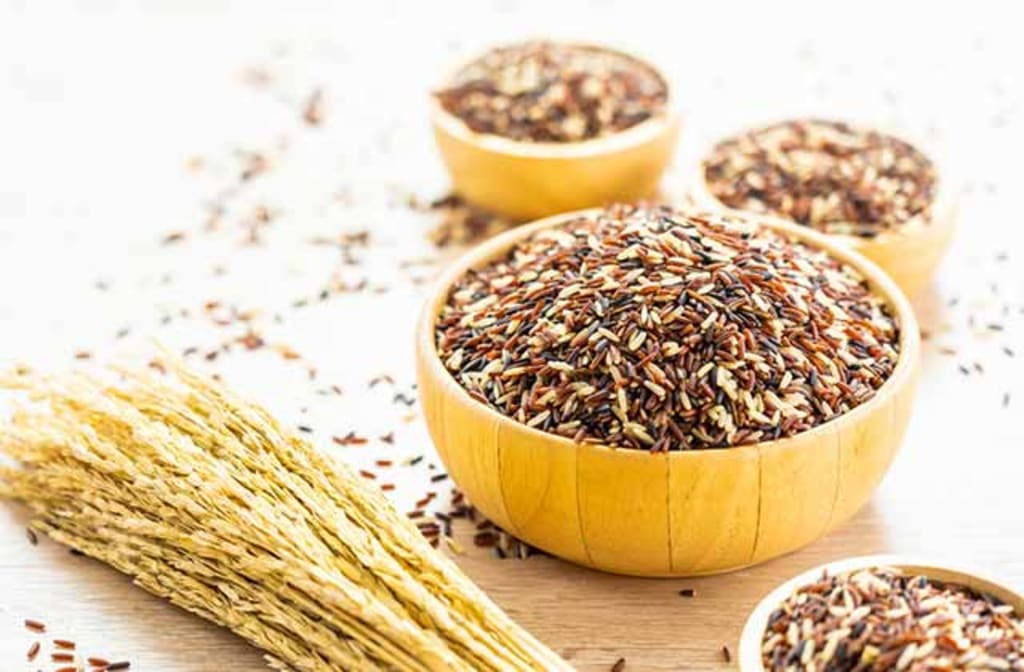
You are what you eat. And if you only eat healthy food, chances are, you also end up having a healthier body. A whole-food plant-based diet gives you this.
A whole-food plant-based diet is an eating pattern that focuses on getting nutrition primarily from plants. Your plate can include various foods like fruits, vegetables, seeds, nuts, oils, legumes, whole grains, and beans. This differs from veganism wherein you consciously choose to avoid all animal-derived products which go beyond just food. Rather, in a whole-food plant-based diet, you are just trying your best to put more plant-sourced food on your plate.
Thinking of turning your diet around? Here are seven benefits that might let you consider a whole-food plant-based diet:
It boosts your immune system. Plants have a variety of properties and important nutrients and vitamins that cannot be found in any other sources. Examples of these are anti-oxidants and phytochemicals which are crucial for keeping the cells healthy and active.
It helps maintain a healthy weight. With more plants on your plate, it is easier to maintain a normal body mass index. This is because most plant food sources naturally contain fibre, which increases your feeling of being full. Plants are also low on fat and glycemic index. If you are trying to lose weight or maintain your healthy weight, this diet might just be the answer.
It reduces heart illnesses. According to a journal, strictly following a plant-based whole-foods diet can reverse coronary heart disease. Even if you only follow a vegetarian diet (meaning, you still eat dairy and eggs), your potential for coronary heart disease is lowered by 40%. The study also suggests that this diet can lower the risk for hypertension. Since heart-related illnesses are the number one cause of death worldwide, applying this diet in your life can significantly improve your health.
It reduces inflammation. Most plants also have anti-inflammatory properties. We have mentioned earlier that plants have phytochemicals and antioxidants that help in the immune system function. These nutrients also get rid of toxins from the environment, processed food, bacteria, viruses, and other sources. Antioxidants remove free radicals from your body. Free radicals are linked to ageing and a roster of illnesses and they usually make people sick and promote inflammation in the body.
It improves brain function. The great benefits of this diet extend to your brain too. Studies published in the Frontiers in Aging Neuroscience say that a plant-based diet may slow the progression of Alzheimer’s Disease. According to the study, eating an excess helping of 100 grams of vegetables and fruits a day minimizes your risk for dementia and cognitive impairment by around 13%. The research points to polyphenol as the key. Polyphenols are abundantly found in fruits and vegetables and may help slow the progression of the brain disease, Alzheimer’s. Scientists are hopeful that this nutrient can help reverse cognitive decline.
It reduces the development of Type 2 Diabetes. Most people know that type 2 diabetes usually develops because of an unhealthy diet. The more overweight you are, the more your cells become resistant to insulin. Studies show that a plant-based diet can reduce the occurrence of Type 2 diabetes. This only makes sense since vegetables and fruits have none of the refined sugar that spike glucose in your bloodstream. A study in PLoS Medicine showed that the diet can reduce the risk for Type 2 diabetes by 34%. The reason is that plant food sources are usually low in saturated fats and contain only natural sugars. A separate study also found that the development of Type 2 diabetes is more prevalent in a group of nonvegetarians than in vegans.
It may help you live longer. All the benefits we mentioned so far only point to one realization: a whole-food plant-based diet can make you live longer. Think of all the diseases you can avoid if you make plants as your main or only source of food. According to a study published in the Journal of American Heart Association, this diet can reduce death caused by diseases by a whopping 25%. Research printed in the Journal of Nutrition also suggested that eating healthy whole-food derived from plants can give you another 5% layer of protection.
Besides being good for your body, having a whole-food plant-based diet is also good for the environment. Making food derived from plants leaves fewer carbon footprints than its meat-derived counterpart. According to a study printed in the American Journal of Clinical Nutrition, the production of animal protein consumes 100 times more water and 11 times more fossil energy than the production of plant protein.
If you think that this diet is for you, start applying changes to your lifestyle today. To be sure, you can also contact an online doctor BC if you have any questions about how a whole-foods plant-based diet can affect your health or if you any illness to consult about.
About the Creator
Keep reading
More stories from Andre Thomas and writers in Longevity and other communities.
Day 4 of Quitting
If this is how sobriety feels, maybe it’s better to go through life a little buzzed… this, along with other hits like, I want to kill myself, I wish I was dead, and I’m going to throw myself off a bridge have been the only thoughts on rotation these past few days. I promise myself that if, in a month, I still feel like this (‘this’ meaning despondent, full of rage, and simultaneously numb) I can go back to smoking. Until mid-February though? Nicotine is off the table.
By sleepy drafts14 days ago in Longevity
United States Active Pharmaceutical Ingredients Market Size and Forecast 2025–2033
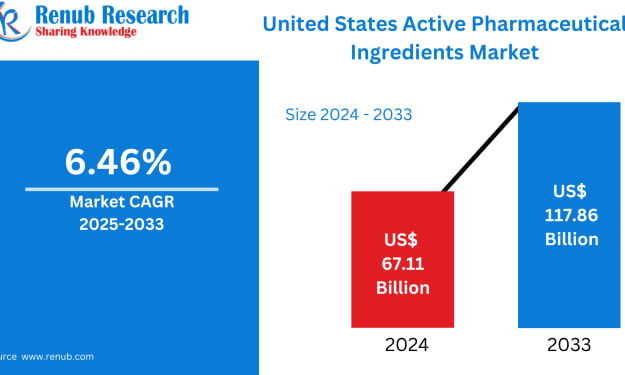
United States Active Pharmaceutical Ingredients Market The U.S. Active Pharmaceutical Ingredients (API) Market is anticipated to grow from US$ 67.11 billion in 2024 to US$ 117.86 billion in 2033, registering a CAGR of 6.46% during 2025–2033. This robust expansion is fueled by the rising demand for both branded and generic drugs, the increasing burden of chronic diseases, and rapid innovation in biopharmaceutical research. As the backbone of every therapeutic product, APIs are becoming increasingly strategic to healthcare security, drug affordability, and pharmaceutical competitiveness in the United States.
By jaiklin Fanandish6 days ago in Longevity
Smart phones, Humans and Aliens.
WARNING. I will be tapping into one of your favorite creative tensions: The absurdity of humans worshipping their glowing rectangles as if they were tiny oracles. There’s something deliciously poetic about that contradiction, and it lends itself beautifully to an instructive proviso.
By Novel Allen5 days ago in Poets



Comments
There are no comments for this story
Be the first to respond and start the conversation.