
5 Tips On Choosing A GPS Running Watch
Sort through all the nuances with a simple approach on how to choose your first GPS running watch.
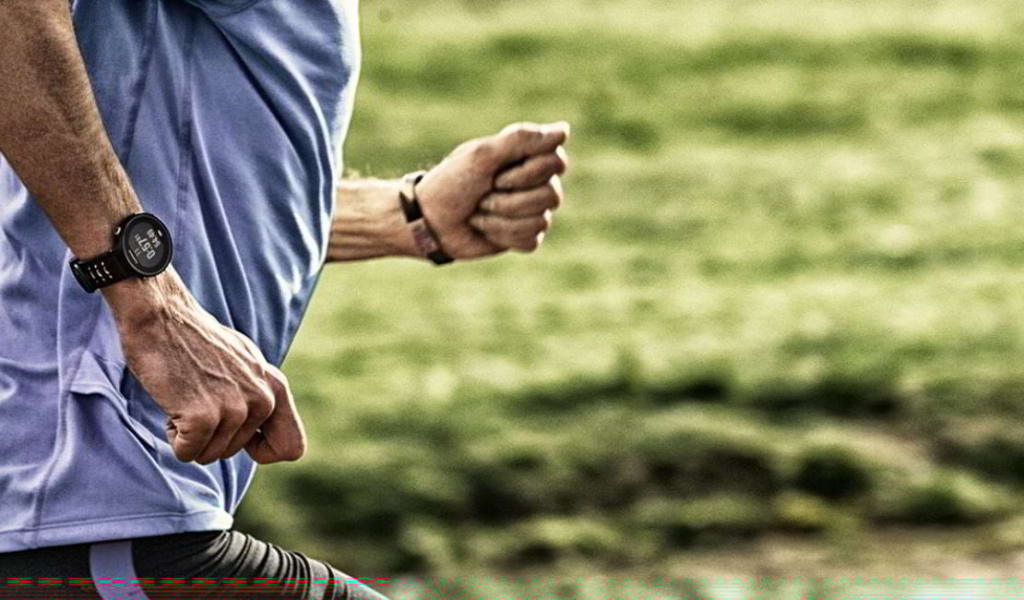
When I first got into running I used to track my sprints and runs over the iPhone health app as well as another popular app called Strava. It was a bit inconvenient due to lugging the phone around and I was skeptical about if I had accurate data and statistics from it.
I first got a GPS running watch when I started to train for my trail marathon. I quickly got the hang of it and loved the accurate health statistics it provided around my heart rate, running cadence, speed, and more. I wasn't very cluey about the smartwatch / fitness tracker world so I bought a watch that wasn't exactly the best in battery life.
Since then I've done further research and now own a Garmin Forerunner 245. The reason why I opted for that watch is due to a 7-day battery life whereas my old one would last 2 or 3 days.
There's a lot to it for beginners looking for their first GPS running watch, however I've compiled some tips to make the process easier. Check it out below.
Tip #1 - Battery Life or Features?
What I've realised is that usually less flashy features = more battery life. My first GPS watch had a music feature where I could play music from the watch. Whilst this is ideal when you don't want to bring your phone out along with you for the run to play the music, it is not the most ideal for battery life. I've since opted for a simpler watch that focuses more on battery life as I don't like to charge my watch everyday.
Most running watches, the features you would like to have is the ones that monitor altitude, so you can tell how far you've gone on inclines, and of course the basics such as cadence, pace, and heart rate monitoring.
Others may have compasses and other features that you may not require though, so if your main goal is running and suburban running at best then you can go for a simpler option that focuses on battery life.
If you want to stream music off the watch, then you might have to get a watch that has a little less battery life unless you break the bank.
Tip #2 - Activity Features
If you're just running - most watches will do the job right, however if you are doing other sports such as open water or lap swimming then you may need to go for a watch that has Triathlon settings as well.
Make sure you clearly understand which sports you are planning to do with your watch and then choose accordingly.
Tip #3 - Price
Most watches that are pricey, are due to their features such as the optical sensor that measures your heart rate and sleep. If this is a must-have feature for you then expect to pay a little bit extra, however if you don't need heart rate or sleep monitoring then you can go a level down on a watch that simply has GPS and focuses on your running statistics.
Tip #4 - Waterproofing
Ideally you will get a GPS watch that is waterproof, not only incase you go swimming with it but also due to the amount of sweat that you produce when running or if you prefer running in the rain. Most smartwatches come with waterproofing these days b ut its one thing to look out for.
Tip #5 - Go for well known brands
Whilst its easy to get sucked into cheaper less-known brands, there are a few players that have been in the field for a long time and it is what most people go for such as Apple, Garmin, Polar, Coros and Timex.
Most of all, go for a watch that you like, but not breaking the bank with the features that you don't need. Good luck out there!
About the Creator
Keep reading
More stories from writers in Longevity and other communities.
Day 4 of Quitting
If this is how sobriety feels, maybe it’s better to go through life a little buzzed… this, along with other hits like, I want to kill myself, I wish I was dead, and I’m going to throw myself off a bridge have been the only thoughts on rotation these past few days. I promise myself that if, in a month, I still feel like this (‘this’ meaning despondent, full of rage, and simultaneously numb) I can go back to smoking. Until mid-February though? Nicotine is off the table.
By sleepy drafts19 days ago in Longevity
🅼🅸🅳🅽🅸🅶🅷🆃 🆂🅽🅰🅲🅺🆂
"It's 10 in Tuscon! We all know what that means... It's Time for Midnight Snacks with your man, Gerald Gee! Ready to spend the night together? Me too! I'm full of snacks and can't wait to regurgitate them all back into your hungry ears. Crack a brew! Pop some corn! Anything to get ready for one hell of a show where the talk maybe cheap but the words cut deep...
By Lamar Wiggins3 days ago in Fiction


Comments
There are no comments for this story
Be the first to respond and start the conversation.