
5 Surprising Ways to Cope with Anxiety and Live Better Days
Anxiety can sap the joy from life. These physical strategies can turn anxiety down and bring a little more joy back to your days.

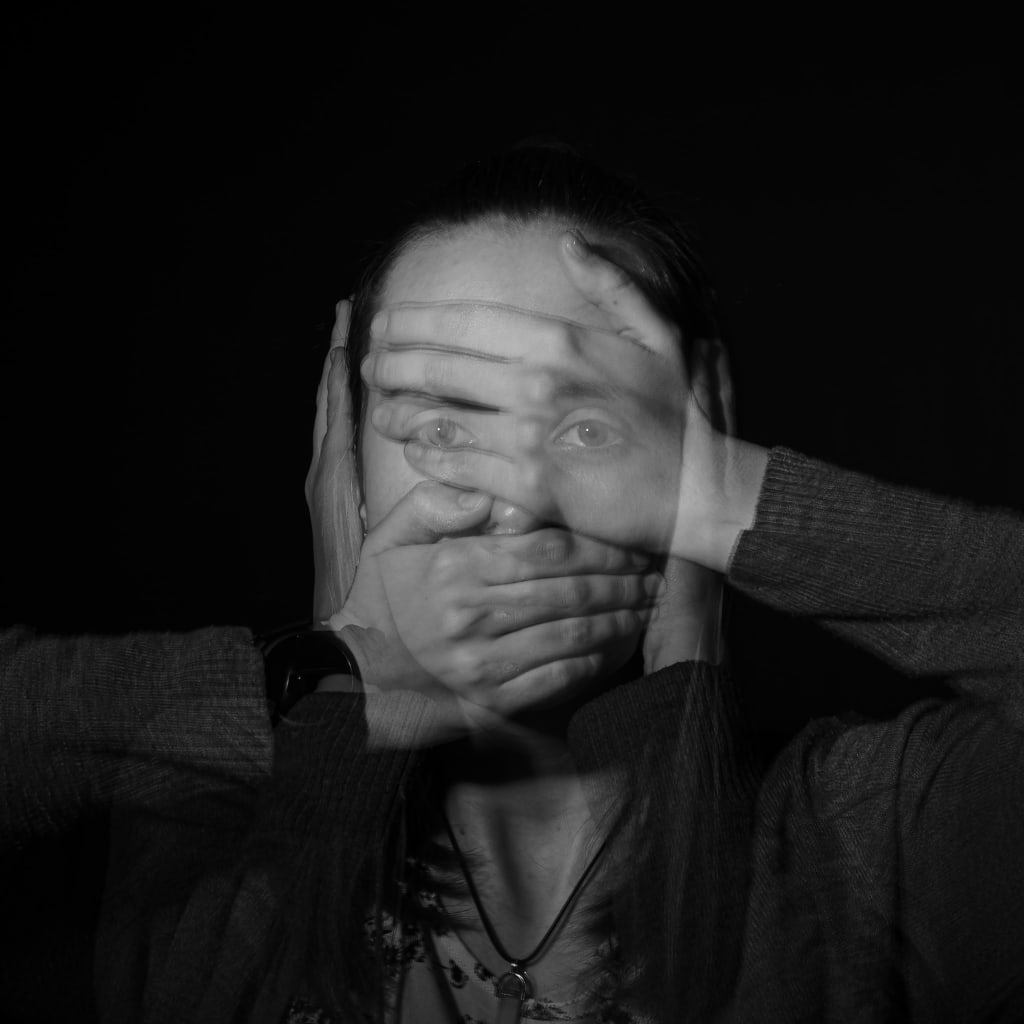
We all have the capacity to feel a range of emotions. Our emotional responses help us to interact with others, our environment and keep us from danger. They’re intricately entwined with our body chemistry too. While we all have moments with darker or more difficult emotions, around 1 in 13 people worldwide suffer from some form of chronic anxiety. Learning to cope with anxiety and turn it down can lead us to better health and better days.
There are several different types of anxiety, each with its unique triggers and responses. However, all anxiety problems interfere with our daily lives and can even stop us from doing the things we enjoy. Just as our thoughts and feelings impact our body, so too can we use our bodies in ways that will influence our brain chemistry and with it, our thoughts and feelings.
Understanding our anxiety
Anxiety is a normal and natural response to unfamiliar or threatening situations. When we feel anxious, frightened or angry, one side of our autonomic nervous system – the sympathetic system - is awakened. Our racing hearts and minds, tense muscles and tight stomachs are the results of this. It is preparing us to manage that potential threat. The surge of adrenaline and cortisol released through our activated sympathetic nervous system helps us focus, think quicker and move faster.
When anxiety is a chronic condition, we’re almost constantly in high-alert mode and it’s tiring. Also, our parasympathetic nervous system is kept on pause. This other side of our autonomic nervous system manages our resting state and digestion. When it’s switched off with anxiety, a range of physical symptoms manifest.
Fatigue from this ever-alert state is a common symptom for people with all types of anxiety. Just as fatigue is a common complaint, muscles aches, weakness and joint pain are also fairly usual physical signs of chronic anxiety. Because the physical response to feeling anxious is an overall tensing to spring to action and our parasympathetic system is on hold, headaches, stomach cramps, bloating and even uncomfortable tingling sensations can also be experienced.
These physical sensations can compound our anxiety, giving us, even more, to be concerned about. The negative spiral this creates can also be reversed. By consciously modifying our body’s automatic functions – breathing, posture, and more – we can turn anxiety off, or at least down. This lets our sympathetic nervous system rest and brings our parasympathetic nervous system to life for a respite from our high-alert state.
Throw your shoulders back and look to the sky!
When we feel as though we are under threat, we naturally, unconsciously, hunch our shoulders and curve our spine to protect our vital organs – heart and lungs. Often our gaze will fall too, to avoid attracting unwanted attention or the ire of someone stronger. By reversing this posture and instead adopting a ‘high power pose’ we signal to our body and mind that there is no threat.
Simply straightening our backs, throwing back our shoulders and lifting our view to take in the sky downsizes our stress and anxiety responses. When you feel your stomach tightening, the prickle of apprehension in your hands or thoughts are spiralling toward doom, stand tall. You are bigger than this. Your change in posture can lead to a change in the direction of your thoughts.
Breathe deep and slow
How we breathe has a huge impact on our health and wellbeing. I’ve written about this before. Our breathing is one of the fastest and simplest ways we have to connect with our vagus nerve and re-balance our body and mind.
There are multiple techniques for slowing our breathing and activating the parasympathetic system. I find the easiest one to remember is simply breathing deep and slow while I slowly repeat in my head…
“Innn and oooout, deeeep and slooow, uuuup and dooown with my breath.”
I do this until I find that I am comfortably breathing at a slower and deeper rate and my thoughts have also calmed. Slow breathing signals to our subconscious that all is well and it’s OK to relax. It’s best to try a few different breathing techniques and settle on the one that works best for you.
Walk away from it (fast)
Good ol’ exercise – when isn’t it good for us? It boosts our feel-good chemistry, serotonin, endorphins and dopamine, plus it works to interrupt our thinking. Daniel J Siegel noted in his book MindSight that walking at a pace that is above or below your natural gait takes just enough conscious effort to disrupt your thinking.
Because we can’t focus on keeping a quicker pace and rumination or troubling thoughts at the same time, they’ll naturally fade from your mind as you power forward. Numerous studies have also shown exercise builds our mental resilience and reduces our susceptibility to anxiety and depression. Adding a brisk walk to your day, even if you’re feeling peaceful, will help you find more peace, more often.
The smell of calm
Our sense of smell is pretty amazing. Different scents can change our brain waves, inducing a range of mental states with little effort from us. Smells can influence our heart rate, muscle tension and even bring long-forgotten memories to the fore of our mind’s eye.
Jasmine, lavender, and lemon increase theta wave activity. This is associated with drowsiness, daydreaming and creative thinking – almost the opposite of an anxious state. Having some incense, an oil diffuser or other method for wafting calming scents up your nose when anxiety rises can help you climb back down the scale to find your sense of calm again.
Fuel for serenity
Fluctuating blood sugar levels, vitamin and mineral deficiencies and poor gut health can all exacerbate anxiety. 95% of our serotonin receptors (remember the happy hormones?) are found in our gut’s lining. Keeping a healthy gut and maintaining a balanced diet with plenty of whole grains, omega-3 fatty acids and enough vitamins and minerals is essential for staying on top of anxiety.
When we fuel ourselves with the right food, we give our body and mind what it needs to function optimally. Low levels of minerals like magnesium and zinc have been associated with anxiety and depression. They are also key components for more than 300 different bodily functions. Vitamin B and probiotic foods have been found to help our brain function and decrease social anxiety.
No matter what kind of anxiety has you turning your back on your life and the things you love, the above physical interventions can help. They won’t ‘cure’ your anxiety though. Anxiety is an emotion that we need in our arsenal to help us navigate life. We need it just as surely as we need bliss, love and joy.
Anxiety begins in our heads. Mindfulness practice, cognitive behavioural techniques that help us adopt a new perspective, meditation and journaling can help us manage thoughts and reduce anxiety. When we combine physical practices with mental techniques we’re able to build personalised strategies that ultimately lead to less anxious and more joyful lives. Anxiety doesn’t have to be debilitating. We can learn to gain control of our thoughts, feelings and bodies.
About the Creator
Vic Womersley
Writing about things of interest to you and me. Contact me direct at [email protected], or find me on Facebook or Twitter.
Keep reading
More stories from Vic Womersley and writers in Longevity and other communities.
3 Tips to Develop a Positive Perspective that can Boost Your Health
Whether you’re a natural optimist, a stoic realist or have a tendency towards pessimism, your health can benefit a lot from a little positive thinking. There aren’t many people who make it to adulthood without a few bumps along the way. But how we view our life – past, present, and future – has a BIG impact on our health.
By Vic Womersley4 years ago in Longevity
Best Workouts for Fat Loss
If you’ve ever tried to lose weight, you’ve probably wondered which workouts actually help burn fat the fastest. Many people start exercising with excitement but soon get confused by the endless options—cardio, strength training, HIIT, yoga, and more. The truth is that not every workout burns fat in the same way.
By Veronica Bennetta day ago in Longevity
6 Things to Avoid After 5 P.M. for Better Blood Sugar Control, According to Dietitians
Do you wind down at night by doom-scrolling on the couch with a glass of wine? Do you stay up way too late or eat a large dinner before bed? These seemingly harmless evening habits could be sabotaging your blood sugar more than you realize.
By Good health to everyonea day ago in Longevity
The Piggy Project
I’ve had so many names in this life I lose track of which ones were ever really mine and which ones I wore because someone needed me to. Some were handed to me before I had words to refuse them, before I knew what they meant, before I knew I could say no. Most weren’t meant to hurt. That doesn’t mean they didn’t leave marks. Marks that told me who I belong to, who I am by way of who claims me, recognizes me in the good and bad, who walks beside me.
By Fatal Serendipitya day ago in Confessions



Comments
There are no comments for this story
Be the first to respond and start the conversation.