
4 Different Yoga Poses to Learn Before Handstand
In this blog, you will learn some yoga poses that can help you begin your handstand journey. Let's read!

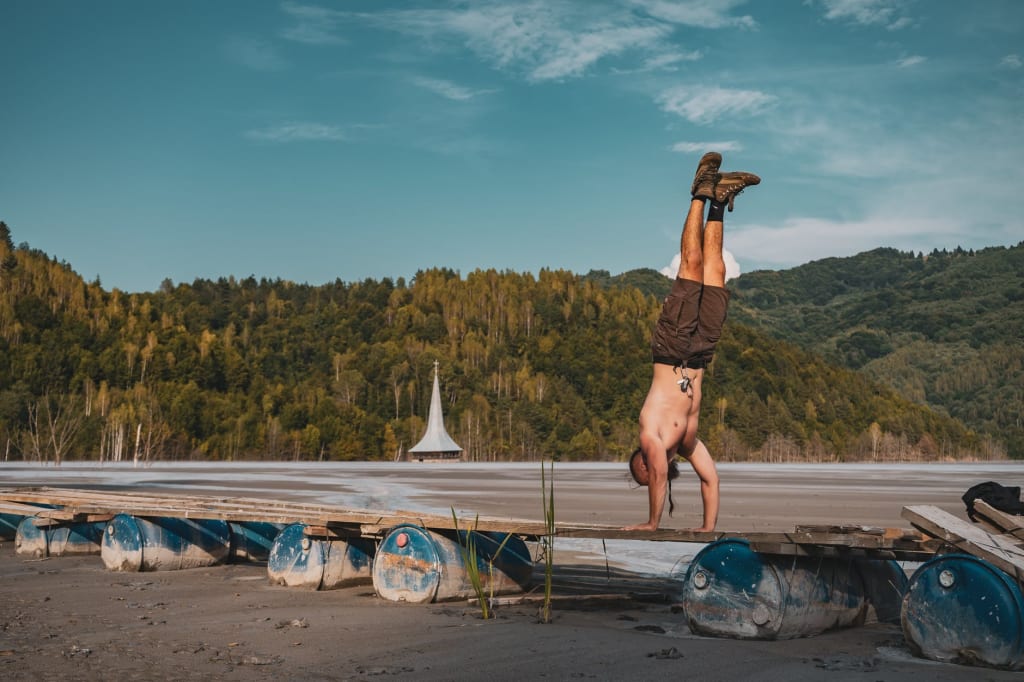
Mastering a handstand is not an easy task. The amount of body awareness, mobility, and control needed to learn handstand makes it one of the most challenging asanas to master, especially for new yoga enthusiasts. To make the handstand slightly easy, we spoke with teachers at Ekattva Yogshala (read their feedback for yoga class) and came up with this post!
In this blog, we will tell you about some yoga poses that can help you begin your handstand journey. Incorporating these yoga asanas into your practice will help you gain the strength and awareness needed to master a handstand.
The following beginner’s yoga poses can help you improve your handstand practice:
#1 Plank (Kumbhakasana)
A handstand pose requires strong core and arm muscles, and a plank yoga pose helps you prepare for it. Also called beginner’s best friend, it is a perfect precursor to more challenging arm balances. Kumbhakasana strengthens your spine, rhomboids, trapezius, and abdominal muscles, which naturally result in a strong posture as they grow in strength.
How to perform it?
Begin with the table top pose. Keep your face down with your forearms and toes on the floor. Your elbows should be directly under your shoulders and your forearms should face forward.
Engage your abdominal muscles, drawing your navel towards the spine. Keep your torso straight and rigid, and your body in a straight line from ears to toe with no sagging and bending. Also, heels should be over the balls of your feet.
Hold this position for 10 seconds. Release to the floor.
To add intensity to the yoga practice, try practicing with a wall.
#2 Standing forward fold (uttanasana)
Not many people realize the necessity of hamstring flexibility when it comes to learning handstand yoga. Spending time exercising the seemingly “basic” yoga pose of Standing Forward Fold can really transform your Handstand practice. Popularly known as Uttanasana, it helps you stretch hips, hamstrings, and calves.
Also, it strengthens thighs and knees; keeps your spine strong and flexible.
How to perform it?
Begin standing with your feet about hip distance apart.
Soften your knees and hinge from the hips as you fold over your legs and maintain a long spine.
Feel free to bend your knees as deeply as needed.
Allow your head and torso to become heavy and hang toward the floor.
Depending on your flexibility, let fingers hang toward the floor. You can also grab hands and elbows, or hug the calves.
Pause here for 20-30 seconds while you breathe deeply into the stretch.
Read benefits of yoga teacher training certification in mastering yoga
#3 Boat pose (navasana)
Core strength is an essential component for maintaining balance during yoga handstand practice. Boat pose is an excellent yoga pose to connect to deep core muscles needed to hold a handstand position. It stretches the hamstrings and strengthens your hips, which will help you control the lower half of the body when inverted in a handstand.
Navasana also helps you avoid banana backing that can injure your low back during the handstand yoga pose practice.
How to perform it?
Sit on your mat together with your knees together bent in front of your chest, feet flat on the floor.
Place your hands behind your knees and lift through the heart to open the chest and sit tall. Elongate through the crown of your head.
Engage your core as you shift your weight to balance on your sit bones, lifting your shins parallel to the floor.
Now let go of your palms and allow your arms to be parallel to the floor, palms face up.
When you're ready to go into full boat pose, straighten your legs, making a V with your torso and legs.
Stay in the same position for 5 full breaths. Then slowly, release the way you came in.
#4 L-shape handstand
Once you have mastered the plank yoga pose, you are ready to go a step further with the handstand yoga practice. Performing an L-shape handstand will add more intensity and bear more weight in your hands. It will build more strength, integration, and conquer fear. L-shape handstand pose can be learned by keeping your feet flat to the wall.
How to perform it?
Begin seated with your legs extended and your feet flat on the wall. Place a yoga block next to your hips as a placeholder.
Keep your hands near the block and flip over, keeping your feet on the wall.
Slowly walk your feet up on the wall until your hips are at a 90-degree angle.
Keep your shoulders and hips stacked directly over your hands.
Press feet firmly against the wall. Notice the weight in your arms, shoulders and wrists .
Keep breathing and stay in the same position for 15-30 seconds.
Above are the 4 different yoga poses to practice before learning the handstand pose. Truly understanding and mastering these postures will make a challenging yoga pose like a handstand much easier to comprehend and practice.
Got any queries to ask? Send them at [email protected] and have them answered by top yoga experts.
About the Creator
Ekattva Yogshala
Learn yoga & rejuvenate by joining yoga retreats or train to become a yoga teacher by completing 200 hrs YTT program in Rishikesh. Contact top yoga school [email protected]
Keep reading
More stories from writers in Longevity and other communities.
Doctors Hate How Simple This Longevity Secret Is (But It Might Add Years to Your Life)
Longevity has become one of the most talked-about topics in modern health. Everywhere you look, there are promises of anti-aging breakthroughs, advanced supplements, and complex routines designed to extend life. It creates the impression that living longer is complicated—something reserved for those with access to the latest science and unlimited resources.
By Lukáš Hrdlička4 days ago in Longevity
Scientists Are Shocked: This “Boring” Lifestyle Secret Might Be the Real Key to Living Longer
When people search for ways to live longer, they often expect something groundbreaking—a newly discovered supplement, a futuristic treatment, or a secret used by the ultra-wealthy. The idea that longevity could come down to simple, everyday habits feels almost disappointing.
By Lukáš Hrdlička4 days ago in Longevity
Tatt~Master
— Assembly Line Tatt Machine ~ Impressions to Impress — As I begin to understand more about the Tattoo Phenomenon. I've written silly, yet verbatim, dating site anecdotes in 'Frazzled.' So let me ask you: Would you be More attracted to someone slathered with tattoos, or Less?
By Jay Kantora day ago in Humor


Comments
There are no comments for this story
Be the first to respond and start the conversation.