
3D Printing
The Future of Manufacturing Technology

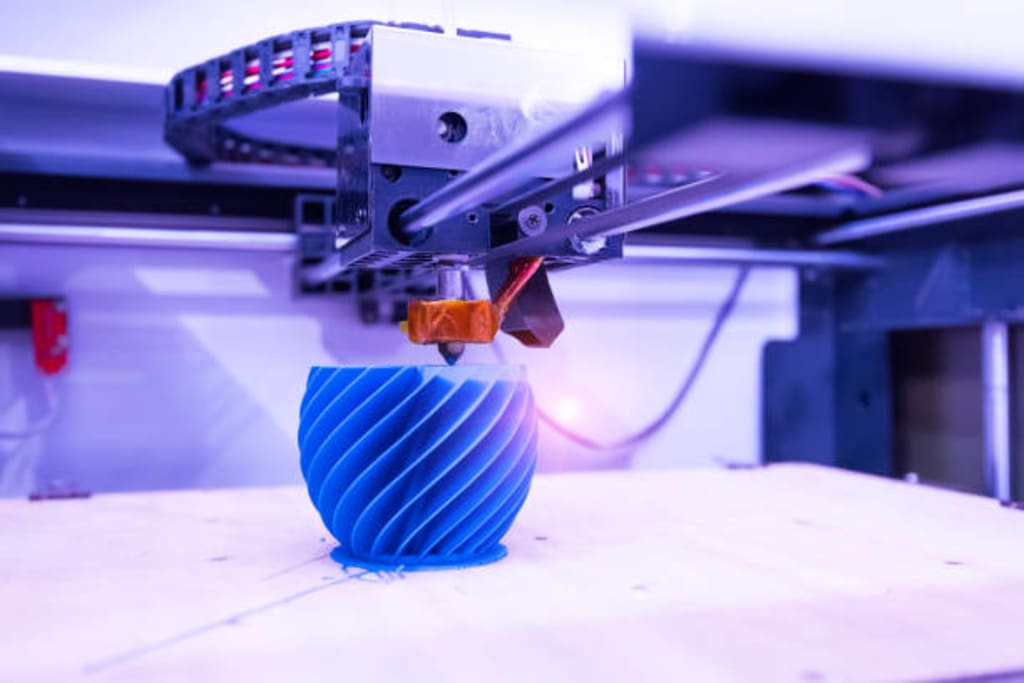
In recent years, 3D printers have revolutionized the manufacturing industry, paving the way for a new era of production. These remarkable machines have gained immense popularity due to their ability to transform digital designs into physical objects with precision and efficiency. From intricate prototypes to customized consumer products, 3D printers are reshaping traditional manufacturing processes. This article explores the incredible potential of 3D printers and their role in shaping the future of manufacturing technology.
The Power of Additive Manufacturing
At the heart of 3D printing lies the concept of additive manufacturing. Unlike conventional subtractive methods, which involve cutting, drilling, or molding materials, 3D printers build objects layer by layer, adding material where it is needed. This additive approach offers unparalleled design freedom, allowing for the creation of complex geometries and intricate details that were once unattainable. By eliminating the need for specialized tooling and molds, 3D printers reduce production costs and lead times, making small-scale manufacturing economically viable. This flexibility also enables on-demand production, where products can be manufactured as needed, reducing inventory and waste.
Expanding Possibilities across Industries
The impact of 3D printers transcends traditional manufacturing sectors, reaching fields as diverse as healthcare, aerospace, automotive, and even fashion. In medicine, 3D printing has revolutionized prosthetics and implants by creating customized solutions that perfectly fit the patient's anatomy. It has also opened up possibilities in pharmaceuticals, allowing for the production of personalized medicines with precise dosages. In aerospace, 3D printers are used to fabricate lightweight, high-performance components, reducing fuel consumption and improving efficiency. The automotive industry benefits from rapid prototyping, enabling faster design iterations and reducing time to market.
Furthermore, 3D printing has made its mark in architecture and construction, where it allows for the creation of intricate models, prototypes, and even full-scale structures. This technology has the potential to revolutionize the housing sector by providing affordable, sustainable, and customizable solutions. In the fashion industry, designers are utilizing 3D printers to create avant-garde designs, intricate accessories, and even wearable garments.
Overcoming Challenges and Pushing Boundaries
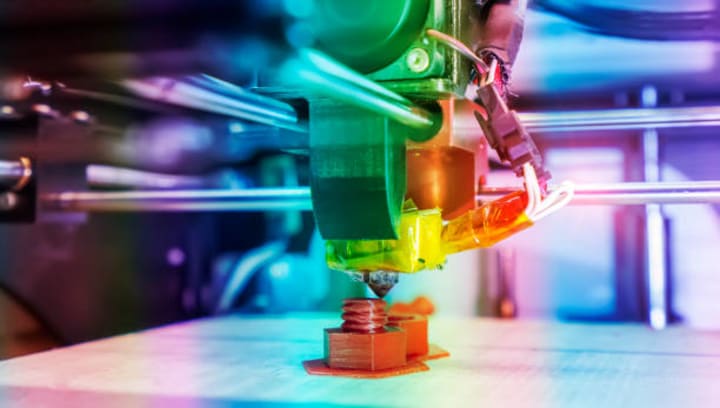
While 3D printers have made remarkable advancements, challenges remain in terms of materials, speed, and scalability. However, ongoing research and development efforts are constantly expanding the range of printable materials, from plastics and metals to ceramics and bio-compatible substances. Advancements in multi-material printing and faster print speeds are also underway, pushing the boundaries of what can be achieved.
Looking ahead, the future of 3D printing holds immense promise. With the integration of technologies like artificial intelligence, robotics, and Internet of Things (IoT), 3D printers will become smarter, more connected, and more autonomous. This will unlock new possibilities for mass customization, decentralized manufacturing, and even space exploration.
Conclusion
As 3D printers continue to evolve, they are transforming the way we think about manufacturing. The ability to create complex objects with speed, precision, and customization has the potential to disrupt traditional supply chains and empower individuals and businesses alike. From healthcare to architecture, 3D printers are revolutionizing industries and opening up a world of new possibilities. As we embark on this exciting journey into the future of manufacturing technology, it is clear that 3D printers will play a central role in shaping our world and pushing the boundaries of what is possible.
About the Creator
Assoc. Prof. Başar Öztürk
I'm Assoc. Prof. Başar Öztürk. I have been working as a physiotherapist for 16 years in Turkey. I want to raise awareness of people with my articles about healthy life suggestions.
Keep reading
More stories from Assoc. Prof. Başar Öztürk and writers in Longevity and other communities.
The Evolution of 3D Insoles
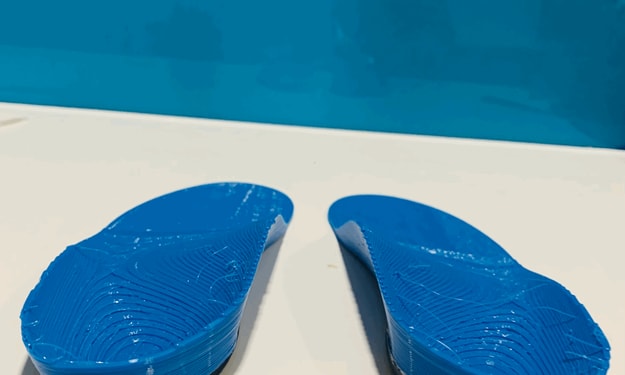
In recent years, advancements in technology have revolutionized the field of orthopedics, particularly in the design and fabrication of custom orthotic insoles. Among these advancements, 3D technology has emerged as a game-changer, allowing for the creation of personalized orthopedic insoles tailored to an individual's unique foot structure and gait pattern. This article aims to explore the impact of customized 3D insoles on posture and gait, shedding light on their potential benefits in improving overall musculoskeletal function and reducing related discomfort.
By Assoc. Prof. Başar Öztürk3 years ago in Longevity
Day 4 of Quitting
If this is how sobriety feels, maybe it’s better to go through life a little buzzed… this, along with other hits like, I want to kill myself, I wish I was dead, and I’m going to throw myself off a bridge have been the only thoughts on rotation these past few days. I promise myself that if, in a month, I still feel like this (‘this’ meaning despondent, full of rage, and simultaneously numb) I can go back to smoking. Until mid-February though? Nicotine is off the table.
By sleepy drafts14 days ago in Longevity
The Six Things I Refuse to Sacrifice When It Comes to Health
I've watched people negotiate with their health for years. They don't call it that, of course. They call it being busy. Or realistic. Or flexible. Or "in a season." But what they're actually doing is trading long-term function for short-term convenience and hoping it doesn't catch up to them.
By Destiny S. Harris4 days ago in Longevity


Comments
There are no comments for this story
Be the first to respond and start the conversation.