
10 Tips to Avoid Getting Scammed as a Senior
Stay safe without becoming suspicious—practical advice to protect your peace of mind.

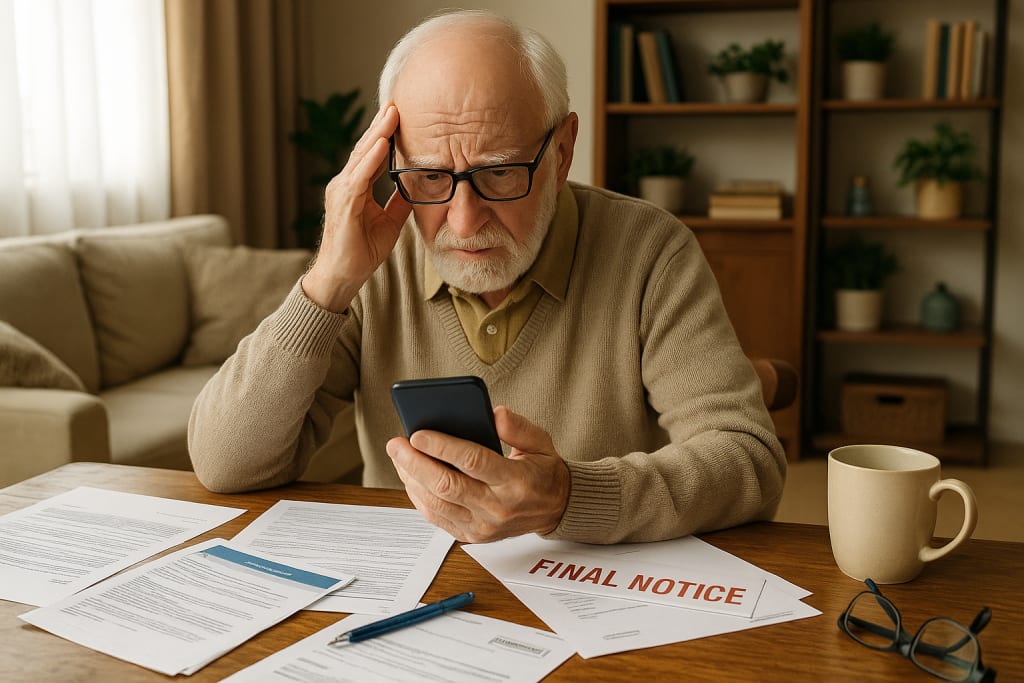
As we grow older, it’s natural to trust others, especially when we’ve lived in a world where a handshake and a kind word meant something. But times have changed, and scams have become more sophisticated. They no longer only happen at the doorstep or on the phone—now they’re everywhere: online, in emails, even in your mailbox. But the good news is: with a few simple habits, you can protect yourself without giving up your peace or your independence.
Here are 10 practical, clear, and respectful tips to help you avoid getting scammed.
⸻
1. Never give out personal information over the phone
Even if the person sounds polite, professional, or insists they are “helping you,” never share your bank account number, social security number, or full address over the phone. If it’s truly important, they will send a letter or ask you to visit their office in person.
Important to remember: your bank, health insurance, or the police will never ask for confidential information on a phone call.
⸻
2. Be cautious of offers that seem “too good to be true”
A free vacation? An unexpected prize? A cash bonus just for filling out a form? These are classic signs of a scam. If you didn’t enter a contest or request anything, you likely didn’t win anything either.
What to do: Take a few days to think, talk to someone you trust, and never feel pressured to decide immediately.
⸻
3. Never click on suspicious links in emails
Many scams start with a very official-looking email—sometimes from what looks like your bank, your electricity provider, or a government agency—asking you to “update your information.” This is a trap.
Warning: Even if the logo looks real or the email seems legitimate, it can still be fake. When in doubt, ignore the email and call your bank or provider directly.
⸻
4. Be careful with strangers at your door
Some scammers come directly to your home, pretending to be a technician, a police officer, or a sales rep. They often try to look official to gain your trust.
What to do: Always ask for an official ID. Don’t let anyone in unless you’re sure who they are, and never open the door if you’re alone and unsure.
⸻
5. Talk to someone before signing or paying anything
Before making a payment, transferring money, or signing any document, ask a trusted person for their opinion—a family member, a friend, or even a local advisor.
Good rule: if someone is rushing you to make a decision or pay immediately, it’s likely a scam.
⸻
6. Be careful on social media and dating sites
Some seniors are targeted through online “romance scams.” A charming person sends regular messages, builds emotional trust, then asks for money to “solve a personal crisis.”
Reminder: If you’ve never met the person in real life, never send money—no matter how sad their story may be.
⸻
7. Protect your bank card and passwords
Even people close to you shouldn’t know your PIN codes or passwords. Don’t write them down where others can see them, and never lend your bank card unless it’s absolutely necessary.
Tip: Use a password you can easily remember, but one that’s hard for others to guess. For example, use the first letter of each word in a favorite song or phrase.
⸻
8. Don’t fall for emergency texts or calls
“Grandpa, I’m in trouble. I had an accident and need money quickly!” This is a common trick. Scammers pretend to be your children or grandchildren in distress.
What to do: Don’t panic. Hang up, and call the real person or someone close to them to verify. Never act under pressure.
⸻
9. Keep a list of trusted phone numbers nearby
Make sure to keep the following numbers easily accessible:
• A family member or close friend
• Your doctor
• Your bank
• The police (in France: 17)
If you’re ever in doubt, you can quickly reach someone you trust.
⸻
10. Trust your instincts
If something feels strange, uncomfortable, or suspicious—listen to that feeling. You’ve lived through many things, and your experience is valuable. Often, your intuition will guide you better than any guidebook.
You don’t have to say “yes” to everyone. It’s okay to say no, to take time, or to ask questions.
⸻
To sum it up
Being older doesn’t mean being naïve or vulnerable. In fact, many seniors have excellent judgment—but some scammers specifically target older people because they think they’re easier to trick.
With a few simple habits, you can stay safe and enjoy life with confidence. Talk to people you trust, double-check anything that feels off, and never be afraid to take your time before making a decision.
You deserve peace of mind. If this article helps you feel more secure, consider printing it and keeping it on your fridge, or sharing it with friends.
You’re not alone—and staying informed is your best protection.
About the Creator
Bubble Chill Media
Bubble Chill Media for all things digital, reading, board games, gaming, travel, art, and culture. Our articles share all our ideas, reflections, and creative experiences. Stay Chill in a connected world. We wish you all a good read.
Keep reading
More stories from Bubble Chill Media and writers in Longevity and other communities.
10 Practical Tips to Find Someone to Talk to When You’re Elderly
When the days get long and loneliness creeps in, a simple conversation can make all the difference. Talking keeps the mind sharp, gives you purpose, and reminds you that you matter. Here are 10 practical tips to help you reconnect with others and enjoy the beauty of human connection—every single day.
By Bubble Chill Media 5 months ago in Longevity
Healthy Eating in Hostel Without a Kitchen
No stove. No fridge space. No time. Low budget. Welcome to hostel life. Most students think healthy eating is impossible without a kitchen. So they survive on instant noodles, cafeteria fried rice, and random snacks.
By Being Inquisitive5 days ago in Longevity
The Biomechanics of Better Steps
Most people assume that better walking begins with stronger muscles. Walking is not just a muscular act — it is a neurological performance. Every step is shaped by a constant exchange of information between your feet and your brain. This communication system, known as the sensory motor network, determines how stable and confident your movement feels.
By AhmedFitLife2 days ago in Longevity
A Knight of the Seven Kingdoms Series Review (Season 1)
As one of the biggest properties in fantasy, A Song of Ice and Fire remains immensely popular with audiences. After reaching far into the past with House of the Dragon, a second spin-off was on the cards. A Knight of the Seven Kingdoms serves up a bite-sized slice of action and drama, but it still claims a spot among the best small-screen titles.
By Robert Cain3 days ago in Geeks




Comments
There are no comments for this story
Be the first to respond and start the conversation.