
Zaha Hadid Architects Unveils Futuristic Shenzhen Science & Tech Museum – A New Landmark With Innovation
Where Architecture Meets Tomorrow: The Shenzhen Science & Tech Museum Redefines Innovation

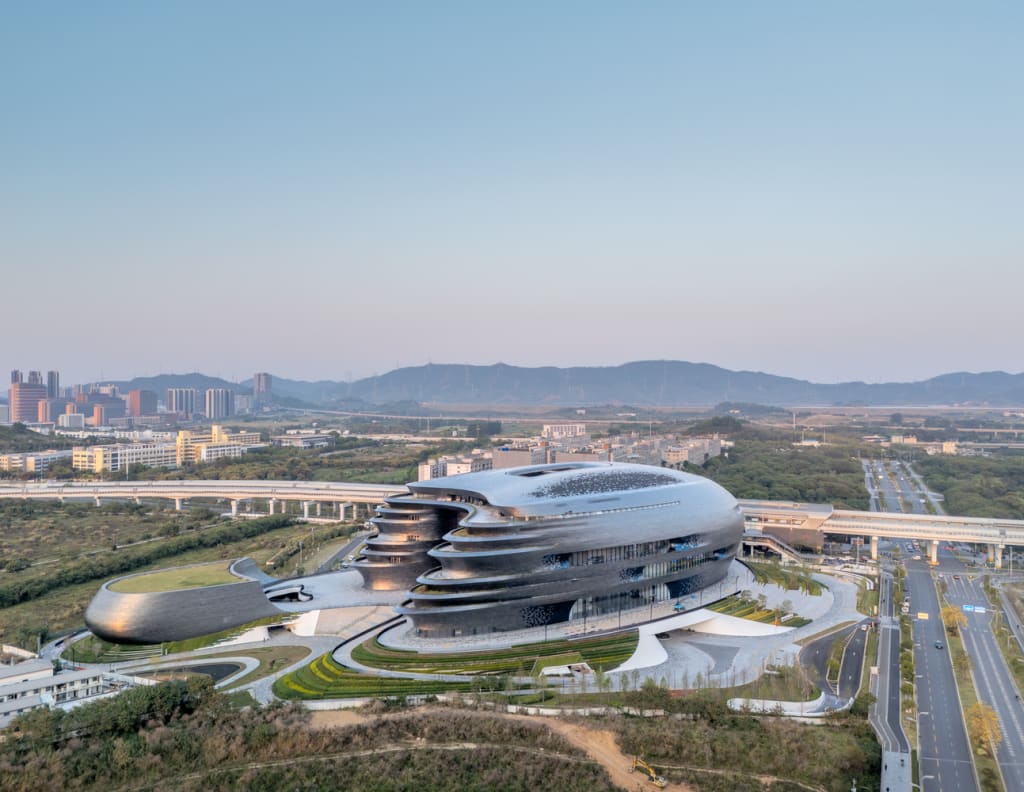
Zaha Hadid Architects (ZHA) has once again redefined architectural excellence with the completion of the Shenzhen Science & Technology Museum (SSTM). This cutting-edge structure, located in the heart of Shenzhen’s Guangming Science City, stands as a testament to futuristic design, technological innovation, and sustainable urban development.
As one of the most anticipated cultural projects in China, the museum merges fluid geometry, advanced engineering, and interactive exhibits to create an immersive experience for visitors. In this article, we explore the museum’s groundbreaking design, its key features, advantages, and why it’s set to become a global architectural icon.
The Vision Behind the Design
Zaha Hadid Architects, renowned for their avant-garde and parametric designs, envisioned the SSTM as a "gateway to science and discovery." Inspired by natural formations like river valleys and rock erosion, the museum’s undulating façade mimics the flow of scientific exploration—seamless, dynamic, and ever-evolving.
Key Architectural Highlights:
✔ Fluid, Organic Structure – Free-form curves and cantilevered sections defy traditional geometry.
✔ Sustainable Construction – Uses low-carbon materials and energy-efficient systems.
✔ Interactive Spatial Layout – Encourages visitor engagement through open, flowing galleries.
✔ Cutting-Edge Facade Technology – Adaptive shading systems optimize natural light.
🔹 Watch the Official Project Reveal:
Watch Video Here
How the Shenzhen Science & Tech Museum Was Built
Constructing such a complex architectural marvel required innovative engineering techniques and precision. Here’s a breakdown of the process:
1. Parametric Design & Digital Modeling
ZHA leveraged AI-powered 3D modeling to simulate structural integrity, wind resistance, and material efficiency.
2. Advanced Construction Techniques
Robotic Fabrication – Prefabricated components ensured accuracy.
3D-Printed Elements – Used for intricate interior details.
Smart Glass Installation – Enhances thermal efficiency.
3. Sustainable Innovations
Solar-Integrated Roofing – Reduces energy consumption.
Rainwater Harvesting System – Supports eco-friendly operations.
Advantages of the Shenzhen Science & Technology Museum
Beyond its stunning aesthetics, the museum offers tangible benefits for science, education, and urban development:
✅ A Hub for Scientific Discovery
Features AI-powered exhibits, VR labs, and interactive displays on space, robotics, and sustainability.
Hosts global science forums and innovation summits.
✅ Boosts Shenzhen’s Global Standing
Reinforces the city’s reputation as China’s Silicon Valley.
Attracts tech giants, researchers, and tourists.
✅ Sustainable & Future-Ready Design
LEED Gold Certification targeted for energy efficiency.
Smart lighting and climate control reduce operational costs.
✅ Cultural & Economic Impact
Expected to draw over 3 million visitors annually.
Creates thousands of jobs in tech, education, and hospitality.
Conclusion: A New Icon for the Future
The Shenzhen Science & Technology Museum is more than just a building—it’s a symbol of progress, creativity, and human ingenuity. By blending Zaha Hadid’s signature fluid design with cutting-edge technology, ZHA has created a space that inspires curiosity and innovation.
As the museum opens its doors, it solidifies Shenzhen’s position as a global leader in science and technology while setting a new benchmark for sustainable, futuristic architecture.
FAQ Section
1. Where is the Shenzhen Science & Technology Museum located?
It’s situated in Guangming Science City, Shenzhen, China—a major hub for innovation.
2. What makes this museum unique compared to others?
Its parametric architecture, AI-driven exhibits, and sustainable design set it apart from traditional science museums.
3. How long did it take to build?
Construction began in 2020 and was completed in 2024, taking approximately 4 years.
4. Can visitors interact with the exhibits?
Yes! The museum features hands-on VR experiences, robotics labs, and immersive science displays.
5. Is the museum environmentally friendly?
Absolutely. It incorporates solar power, smart glass, and rainwater recycling to minimize its carbon footprint.
6. Will the museum host international events?
Yes, it’s designed to accommodate global tech conferences, exhibitions, and academic collaborations.
Final Thoughts
The Shenzhen Science & Technology Museum is a masterpiece that bridges art, science, and sustainability. Whether you're an architect, tech enthusiast, or curious traveler, this landmark is a must-visit destination in 2024 and beyond.
📌 Plan Your Visit: https://www.zaha-hadid.com/
About the Creator
Jacky Kapadia
Driven by a passion for digital innovation, I am a social media influencer & digital marketer with a talent for simplifying the complexities of the digital world. Let’s connect & explore the future together—follow me on LinkedIn And Medium
Keep reading
More stories from Jacky Kapadia and writers in Lifehack and other communities.
iPhone 17 Air vs 16 Pro: Biggest Upgrades New Features And What Apple Revealed This Year
As Apple continues to redefine the boundaries of smartphone innovation, 2024 brings two standout devices vying for consumer attention: the sleek, all-new iPhone 17 Air and the refined powerhouse iPhone 16 Pro. With Apples September keynote unveiling groundbreaking advancements, this years lineup promises to cater to both minimalist enthusiasts and power users. Below, we break down the biggest upgrades, new features, and what these devices mean for the future of mobile technology.
By Jacky Kapadia9 months ago in Lifehack
Top 10 Questions to Ask Every Perth NDIS Service Before You Engage Them
Choosing the right National Disability Insurance Scheme (NDIS) provider shapes the quality of care, independence, and outcomes a participant experiences. In Perth, families and participants face a growing number of service options, which makes informed decision-making essential.
By Anshul Vijay2 days ago in Lifehack
9 Foods You Should Never Eat Past the Expiration Date, No Exceptions
But certain foods cross a line where the expiration date becomes about more than just quality—it’s about safety. Eating past that line can expose you to dangerous bacteria, toxins, or nutrient loss you can’t see or smell. Knowing which foods to never push beyond their expiration dates is key to keeping your kitchen safe. Here are the nine foods that are not worth the risk.
By General gyan2 days ago in Lifehack




Comments (1)
Very informative!!!