
Your Financial Lifeline: The Importance of an Emergency Fund
Discover Why Every Budget Needs One—And Exactly How to Build Yours from Scratch

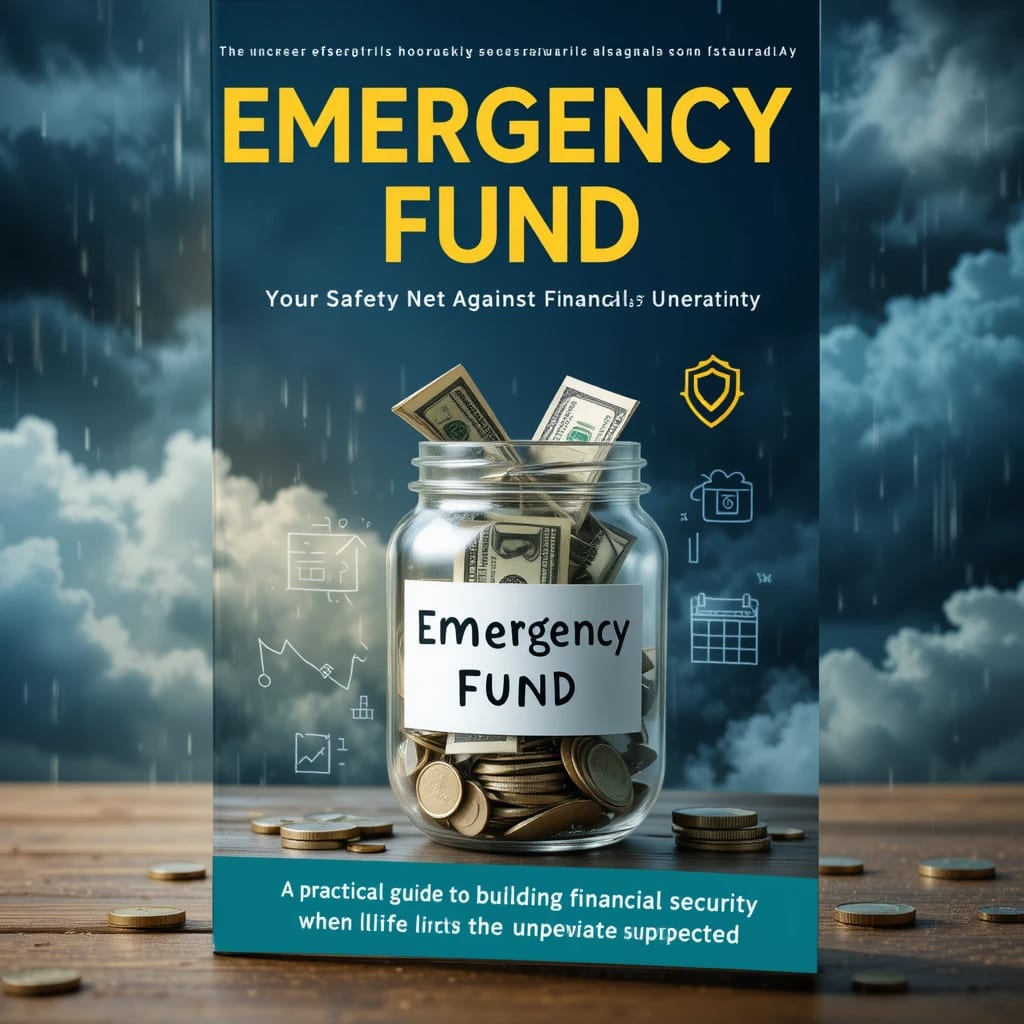
The Financial Safety Net You Can’t Afford to Ignore
Life is full of surprises—some thrilling, others downright terrifying. While we often plan for vacations, new gadgets, or even retirement, far too many people neglect one critical aspect of financial health: the emergency fund.
An emergency fund is a dedicated stash of money set aside to cover unexpected expenses, like medical bills, car repairs, job loss, or urgent home fixes. In an increasingly unpredictable world marked by economic uncertainty, layoffs, inflation, and global crises, having an emergency fund is no longer a luxury—it's a necessity.
According to a 2024 study by the Federal Reserve, nearly 40% of Americans would struggle to cover a $400 emergency without borrowing or selling something. That statistic alone should give anyone pause. If you're not financially prepared for life's curveballs, you're one event away from spiraling into debt or worse.
Why an Emergency Fund is Essential
1. Job Loss or Income Disruption
Losing your job or having your hours cut can happen suddenly, without warning. Even if you qualify for unemployment benefits, they often don't fully replace your income. An emergency fund can bridge the gap between jobs and give you time to seek the right opportunity rather than rushing into the first offer.
Example: After working for a tech startup for five years, James was laid off during a company restructuring. Thanks to his emergency fund, he managed six months of bills without touching his credit cards, giving him time to upskill and land a better-paying role.
2. Unexpected Medical Expenses
Health emergencies can strike at any time, even with insurance. High deductibles, co-pays, and uncovered treatments can leave you with a hefty bill. Your emergency fund can keep a trip to the ER from turning into a long-term financial burden.
3. Major Home or Car Repairs
Imagine your car breaks down, or your water heater dies in the middle of winter. These issues require immediate attention—and money. If you rely on credit to handle these expenses, interest charges can pile up fast. A well-stocked emergency fund helps you tackle these problems without debt.
4. Peace of Mind
The value of an emergency fund isn’t just financial—it’s emotional. Knowing you have a cushion can relieve stress, improve sleep, and help you make better decisions without the pressure of looming bills.
How to Build an Emergency Fund: A Step-by-Step Guide
Step 1: Set a Realistic Savings Goal
The general rule of thumb is to save three to six months’ worth of living expenses. If your monthly expenses are $2,500, aim for $7,500 to $15,000.
But if that number feels overwhelming, start smaller. A short-term goal of $500 or $1,000 can still make a big difference and give you the momentum to keep saving.
Step 2: Open a Separate, Accessible Account
Keep your emergency fund in a separate high-yield savings account, not mixed in with your everyday spending. This helps reduce the temptation to dip into it for non-emergencies. Look for an account with:
No monthly fees
Competitive interest rates
Easy access (but not too easy)
Online banks often offer the best rates and user-friendly tools for automatic savings.
Step 3: Make Saving Automatic
Treat your emergency fund like a bill. Automate a monthly or bi-weekly transfer from your checking account. Even small amounts, like $25 per week, add up over time.
Example: Maria set up a $50 weekly auto-transfer. In one year, she saved $2,600—enough to cover rent and groceries for two months during a tough time.
Step 4: Cut Back and Redirect
Look for areas in your budget where you can cut back temporarily. Cancel unused subscriptions, dine out less often, or pause non-essential spending. Redirect those funds into your emergency savings.
You might even consider using windfalls—like tax refunds, bonuses, or cash gifts—to give your fund a boost.
Step 5: Build Gradually and Be Patient
Building an emergency fund takes time. Don’t get discouraged if progress feels slow. The key is consistency. As your income grows or debts decrease, you can increase your contributions.
Step 6: Only Use It for True Emergencies
An emergency fund is not for vacations, new phones, or impulse buys. It's for unexpected, necessary, and urgent expenses. If you dip into it, make a plan to replenish it as soon as possible.
Common Mistakes to Avoid
❌ Using It for Non-Emergencies
Spending from your emergency fund for predictable or discretionary expenses defeats its purpose. Always ask: Is this unexpected and necessary?
❌ Keeping It in Cash or Checking
Stashing emergency money under your mattress—or in your regular checking account—is risky. Cash loses value to inflation, and checking accounts offer no growth. Choose a high-yield savings account instead.
❌ Not Replenishing It
Used your emergency fund? Great—it worked! Now make it a priority to rebuild it, just like you did the first time.
❌ Ignoring Inflation
Review your emergency fund target annually. As your cost of living rises, so should your savings goal.
Final Thoughts: Start Small, Stay Committed
Building an emergency fund might seem daunting at first, especially if you're living paycheck to paycheck. But it’s one of the most powerful steps you can take to gain financial security. Even small, consistent contributions can shield you from the worst financial storms.
Think of your emergency fund as insurance you give yourself. You might not need it this month—or even this year—but when the unexpected happens, you’ll be glad it’s there. Start today. Your future self will thank you.
About the Creator
Shamshair Khan Hasan Zai
I share content on health, business, travel, motivation, and simple ways to earn money—focused on hope growth, and practical advice to help you live a better, more successful life.
Keep reading
More stories from Shamshair Khan Hasan Zai and writers in Lifehack and other communities.
Crucial Health and Safety Practices Every Employer Must Enforce
Creating a safe workplace isn't just about meeting legal obligations—it’s about building a sustainable, ethical, and high-performing business. When companies prioritize employee well-being, they reduce the risk of injuries, legal consequences, and operational disruptions. OSHA and other regulatory bodies have laid down clear guidelines to help employers maintain secure environments. These rules are designed to prevent accidents and illnesses, but their real value lies in protecting the people who keep businesses running.
By Dr. Todd Young7 days ago in Lifehack
The Truth in My Lab Report: How I Slashed My Triglycerides and Changed My Cholesterol for Good
My Lipid Wake-Up Call: How Untangling Triglycerides vs. Cholesterol Changed My Health (And Probably Saved Me) Let’s be real. For years, the words from my doctor’s office just washed over me. A mumbled monologue about “lipid panels,” “numbers,” and “cardiovascular risk.” I’d nod, see a few flagged results on my printout—usually something about triglycerides and LDL—feel a pinch of worry, and then… life would happen. I’d grab a quick sandwich, skip the gym because I was tired, and tell myself I’d deal with it later. The confusion itself was a comfort zone. If I didn’t truly understand it, I couldn’t be fully responsible for fixing it, right?
By John Arthor7 days ago in Lifehack




Comments
There are no comments for this story
Be the first to respond and start the conversation.