
Winter Is Coming
Why Your Pipes Aren’t Ready for the First Freeze

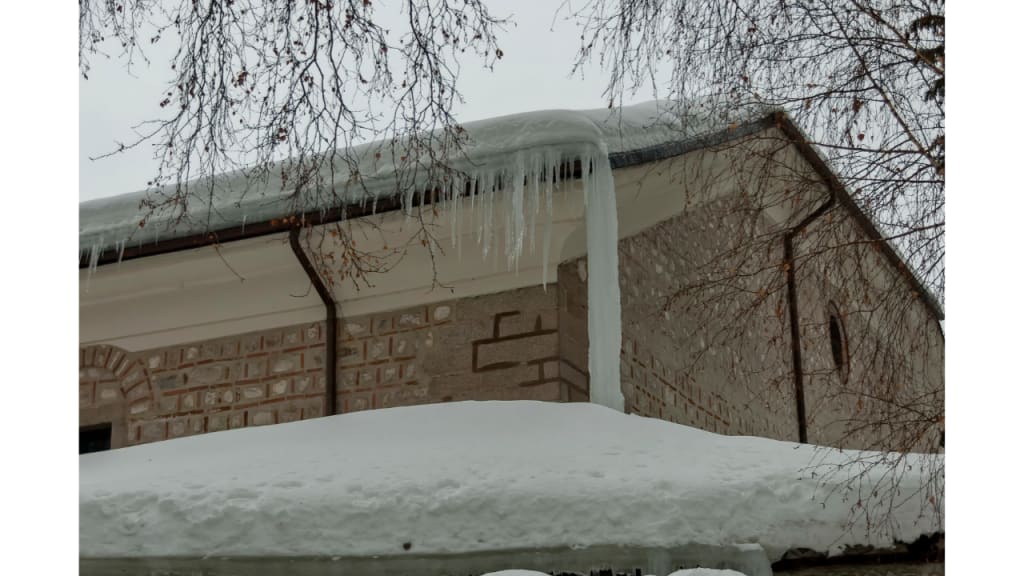
The chill in the air is unmistakable. For many homeowners, the first deep frost is a beautiful sign of the changing season, but it is also a ticking time bomb for one of the most destructive and expensive household disasters: a burst water pipe. The cost of water damage from a ruptured pipe can quickly escalate into thousands of dollars, making proactive protection an absolute necessity. Don't wait until you're facing a catastrophic leak and desperately searching for an emergency plumber in New Lenox; now is the time to prepare your plumbing system. Most people assume their pipes are safe because their home is insulated, but a single unexpected cold snap is all it takes to turn a minor oversight into a major headache. The reality is simple: your pipes are likely not ready for the first freeze unless you take specific, preventative steps right now.
The Science of the Freeze
Understanding why a freeze is so damaging is the first step toward effective prevention. Unlike most liquids, water expands as it changes from a liquid to a solid state, a process that increases its volume by about 9%. When a pipe full of water is exposed to freezing temperatures, the water near the cold source turns to ice. This ice block creates immense pressure not only on the frozen section itself but, more critically, on the water trapped between the ice blockage and the nearest closed faucet.
This trapped water has nowhere to go as the ice continues to expand. The resulting pressure, which can reach hundreds or even thousands of pounds per square inch, is what causes the pipe to rupture. The burst typically happens not where the ice formed, but further down the line where the pressure is highest, a weak point often hidden within a wall or floor. This is why a small freeze can lead to massive structural damage. The burst itself may not be noticed until the ice plug melts, at which point water begins to pour from the break, creating chaos in your home.
Vulnerable Areas: Your Home's Weak Spots
Not all pipes are created equal when it comes to cold resistance. Homeowners must be acutely aware of the plumbing areas most susceptible to freezing. The highest-risk candidates are pipes located in unheated or poorly insulated spaces. These include lines running through crawl spaces, attics, garages, and basements that lack climate control or have insufficient venting.
Any water line situated against an exterior wall, especially one that faces the prevailing winter winds, is also highly vulnerable. The lack of insulating air space and the direct exposure to cold air accelerates the temperature drop within the pipe. Additionally, pipes that supply water to outdoor hose bibs or spigots are a major hazard; these should always be drained and shut off for the winter season. Even a pipe running through a kitchen cabinet that is recessed into an exterior wall can freeze when temperatures plummet because the cabinet door acts as a barrier, preventing warm indoor air from reaching the pipe. Identifying these weak spots is paramount to applying the right insulation and heat solutions before the first hard freeze hits.
The Danger Signs of a Frozen Pipe
Being able to recognize the warning signs of an active freeze can mean the difference between minor inconvenience and catastrophic flooding. The most obvious sign is a complete loss of water pressure or, in some cases, a mere trickle from a faucet that previously ran strong. If you turn on a faucet and only a drip or nothing at all comes out, a section of the pipe is likely blocked by ice.
A less obvious sign is a strange, metallic smell emanating from the drains or faucets, which can indicate stress on the pipe material as it begins to warp under pressure. You may also hear faint gurgling or bubbling sounds coming from the walls when water is being used elsewhere in the house, which can signal the movement of trapped air or water around a growing ice mass. Finally, look for visible frost or condensation on the exterior of an exposed pipe in an unheated area. Never ignore these subtle cues. A pipe that is completely frozen is mere moments away from potentially bursting once the water pressure begins to build behind the ice block.
Preparation is Key: A Winterizing Checklist
Fortunately, preventing frozen pipes is far simpler and less expensive than dealing with the aftermath of a burst. Start by disconnecting all garden hoses and draining the hose bibs. Locate the interior shut-off valve for the exterior water supply and turn it off for the season, then open the outdoor spigot to drain any remaining water from the line.
Next, focus on insulation. Pipes in attics, crawl spaces, and unheated storage areas should be wrapped with foam pipe insulation or heat tape. The foam insulation sleeves are a cheap and effective way to slow heat loss. Even a thick layer of newspaper or a blanket can provide temporary, life-saving protection in a pinch. For extremely cold nights, open cabinet doors under sinks that are located on exterior walls to allow warm room air to circulate around the pipes. If temperatures are predicted to fall below freezing for an extended period, allow a small, steady drip of cold water to flow from a few faucets. Moving water is less likely to freeze, and the running water helps relieve any pressure that might build up behind a forming ice blockage. Remember, a continuous drip is much more effective than leaving the faucet fully closed.
The Immediate Response to a Freeze
If you discover a pipe has frozen, swift action is essential to minimize the risk of a burst. First, shut off the main water supply to your house immediately. This will minimize flooding if the pipe has already burst or when the ice begins to thaw. Next, try to locate the frozen section. If it is exposed, you can attempt to thaw it gently using a hairdryer, a heat lamp, or even warm towels.
Apply heat starting from the faucet side of the pipe and work back toward the cold side. This allows the melting water and steam to escape, relieving pressure. Never use an open flame, such as a propane torch, as this is a major fire hazard and can cause the pipe to rupture instantly from the rapid, uneven temperature change. Be extremely careful. Once the pipe is thawed, monitor it closely for leaks. If the frozen pipe is behind a wall, underneath the floor, or if you suspect it has already burst, do not hesitate to call a professional plumbing service. Attempting to thaw a pipe in an inaccessible area without proper tools can lead to disastrous results when the ice plug releases.
Winter is an inevitability, but a burst pipe is not. The slight effort and minor investment required to winterize your home plumbing now are inconsequential compared to the expense, disruption, and stress of a major water damage restoration project. A few hours of preparation this weekend can secure your home's foundation and protect your peace of mind throughout the coldest months. Don't let your oversight become the next emergency. Take immediate action to insulate and secure all vulnerable plumbing now. Don't delay until you hear the ominous silence of a waterless faucet or, worse, the terrifying sound of water rushing into your walls.
Protect your biggest investment today. If you are unsure about the safety of your plumbing, or if you need professional assistance installing heat tape, insulating a crawl space, or emergency services for a frozen or burst pipe, contact a licensed professional. Call your trusted local pros now for a comprehensive winter plumbing inspection to ensure your home is truly ready for the first freeze.
About the Creator
Keep reading
More stories from The Weekend Project and writers in Lifehack and other communities.
From Cold to Cozy
The chill of winter can be unforgiving, turning a comfortable house into a series of perpetually cold rooms. If you find yourself bundling up indoors, dealing with cold spots, or dreading the morning shower because the hot water runs out too quickly, your home's boiler is likely past its prime. The decision to upgrade your home heating system is about more than just replacing a machine; it is a fundamental investment in your quality of life. For homeowners considering a complete heating overhaul, the process of a smooth and professional boiler installation in Somerset is the crucial first step to recapturing true, effortless home comfort. A new, efficient boiler promises to banish the drafts, the high utility bills, and the unreliable warmth that plague older heating setups, ushering in an era of consistent, cost-effective coziness.
By The Weekend Project5 months ago in Lifehack
The Five-Minute Routine That Keeps Your Gold Looking Like New
She pulled the necklace from the small velvet pouch and held it up to the window. The gold had gone dull, almost grey in the afternoon light, clouded by months of daily wear and a drawer full of good intentions. It was still beautiful. It just needed a little attention.
By CurlsAndCommas3 days ago in Lifehack




Comments
There are no comments for this story
Be the first to respond and start the conversation.