
Why Quiet Fashion Is Replacing Loud Trends in 2026
How modern style shifted from attention-seeking to intention

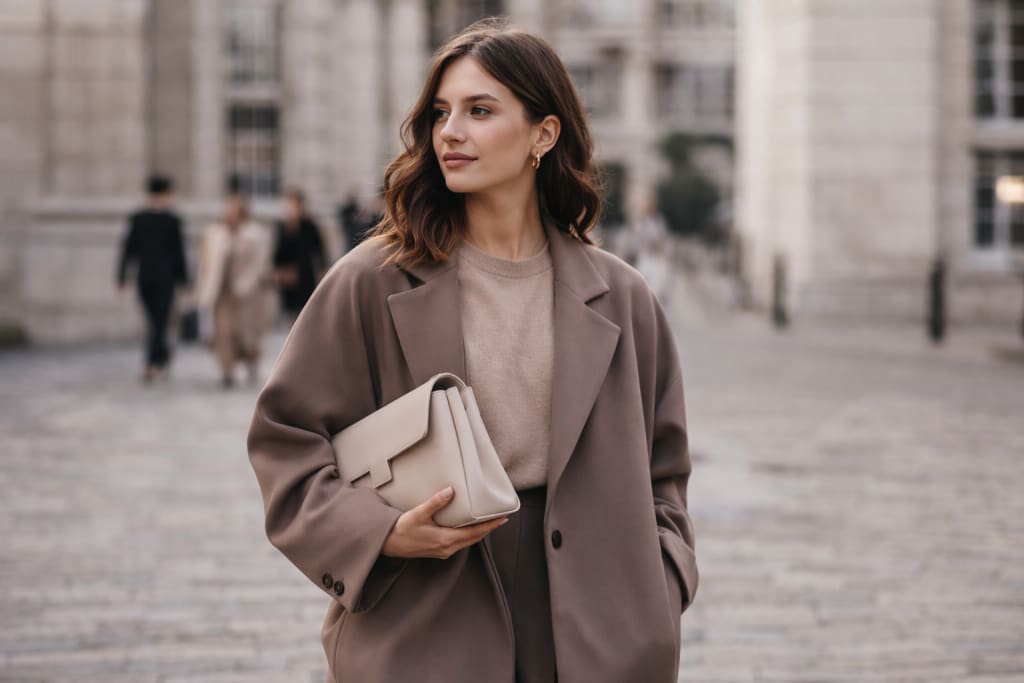
For a long time, fashion was about being seen. Loud colors, bold logos, fast trends, and constant reinvention dominated wardrobes and timelines alike. Every season brought a new aesthetic, and keeping up felt like a requirement rather than a choice.
Somewhere along the way, that energy started to fade.
In 2026, fashion feels quieter—not boring, not minimal for the sake of minimalism, but more intentional. People still care about style, but they care less about being loud and more about being aligned.
The Fatigue of Fast Trends
Trend cycles used to move seasonally. Then they moved monthly. Eventually, they began changing weekly. Social media accelerated everything, turning fashion into a constant performance.
For many people, this became exhausting.
Keeping up meant buying more, discarding faster, and never feeling finished. Outfits stopped feeling personal and started feeling reactive. Instead of expressing identity, fashion became a response to whatever was trending that day.
Quiet fashion emerged not as a rebellion, but as relief.
What “Quiet Fashion” Really Means
Quiet fashion doesn’t mean neutral colors only, and it doesn’t mean abandoning creativity. It means choosing pieces that don’t rely on attention to feel valuable.
The focus has shifted toward:
Clean silhouettes
Thoughtful materials
Wearability over shock value
Personal taste over viral validation
Quiet fashion allows space for individuality without demanding constant explanation.
Clothing as a Long-Term Decision
One noticeable shift in 2026 is how people think about their wardrobes over time. Instead of asking, “Will this trend last?” the question has become, “Will I still want to wear this next year?”
This change favors:
Versatile dresses
Well-constructed basics
Accessories that complement, not dominate
Pieces that adapt across seasons
Fashion becomes less about novelty and more about consistency.
The Influence of Digital Saturation
As digital life became louder, fashion moved in the opposite direction.
Endless scrolling, constant notifications, and algorithm-driven content created a desire for calm elsewhere. Clothing became one of the few spaces where people could opt out of noise.
Quiet fashion reflects that mindset. It doesn’t compete for attention—it supports daily life instead of distracting from it.
Style Without Explanation
One of the defining traits of modern fashion is confidence without justification. Outfits don’t need to be “on trend” to feel valid. They simply need to feel right for the person wearing them.
This shift is especially visible in how people choose dresses, jewelry, and everyday essentials. Pieces are selected because they work, not because they impress.
Over time, this approach creates a wardrobe that feels cohesive rather than chaotic.
Independent Brands and the Shift in Values
As tastes changed, so did where people looked for inspiration. Large trend-driven brands began to feel repetitive, while smaller, independent labels started gaining attention for their clarity of vision.
Rather than chasing every trend, these brands focus on:
Consistent aesthetics
Wearable design
Fewer but stronger collections
While exploring this shift, I found myself paying more attention to how independent fashion platforms communicate style, including brands that prioritize clean design and intentional wardrobes, such as those highlighted through sites like substyel.com.
Not as a place to follow trends—but as a reference point for how modern fashion is being reframed.
Dressing for Real Life Again
Quiet fashion brings clothing back into everyday reality. Outfits are chosen with movement, comfort, and longevity in mind.
This doesn’t mean sacrificing elegance. Instead, elegance becomes quieter—expressed through fit, proportion, and detail rather than excess.
People dress for:
Workdays that blend into evenings
Social moments that don’t require costume-level effort
Comfort without compromise
Fashion becomes something you live in, not perform in.
Jewelry, Accessories, and Subtle Expression
Accessories have also evolved. Instead of oversized statements, there’s a preference for pieces that feel personal.
Jewelry is worn daily rather than occasionally. Bags are chosen for function as much as form. Shoes prioritize versatility over spectacle.
These details may seem small, but together they shape a style that feels grounded and intentional.
Why This Shift Feels Permanent
Unlike past trend cycles, quiet fashion doesn’t feel temporary. It aligns with broader cultural changes—slower consumption, more thoughtful choices, and a desire for authenticity.
People are no longer dressing for algorithms. They’re dressing for themselves.
That difference matters.
Fashion as an Extension of Identity, Not Noise
In 2026, fashion is no longer about standing out at all costs. It’s about feeling aligned with what you wear and how you live.
Quiet fashion doesn’t demand attention—but it earns respect through consistency and confidence. It allows room for personality without pressure and creativity without chaos.
And perhaps that’s why it resonates so deeply right now.
About the Creator
MOHAMMED
Fashion & tech storyteller. I create style guides at SUBSTYEL.com and digital app reviews at Terabosapk.com. Sharing trends, pinterest.com/styelart/ outfit ideas, and smart tools for everyday life.
Moving in Edmonds, WA: What Residents Should Know Before Relocating
Moving to a new home often marks an important life transition, but the process itself can feel overwhelming without the right preparation. In Edmonds, Washington, the moving experience comes with unique considerations shaped by the city’s geography, residential layout, and local regulations. Understanding these factors ahead of time can make a noticeable difference in how smoothly a relocation unfolds.
By House Doctor4 days ago in Lifehack
The Small Trick That Changed My Mornings
Sofia always struggled with mornings. No matter how early she went to bed, she would wake up tired, rush through breakfast, and often forget important things for school or work. Her mornings were stressful, chaotic, and exhausting. She knew something had to change, but she didn’t know where to start.
By Sudais Zakwan4 days ago in Lifehack




Comments
There are no comments for this story
Be the first to respond and start the conversation.