
Why Homeowners Insurance Premiums Often Rise Over Time
Homeowners insurance premiums evolve for many reasons, market forces, weather events, inflation, and property conditions all play a part.
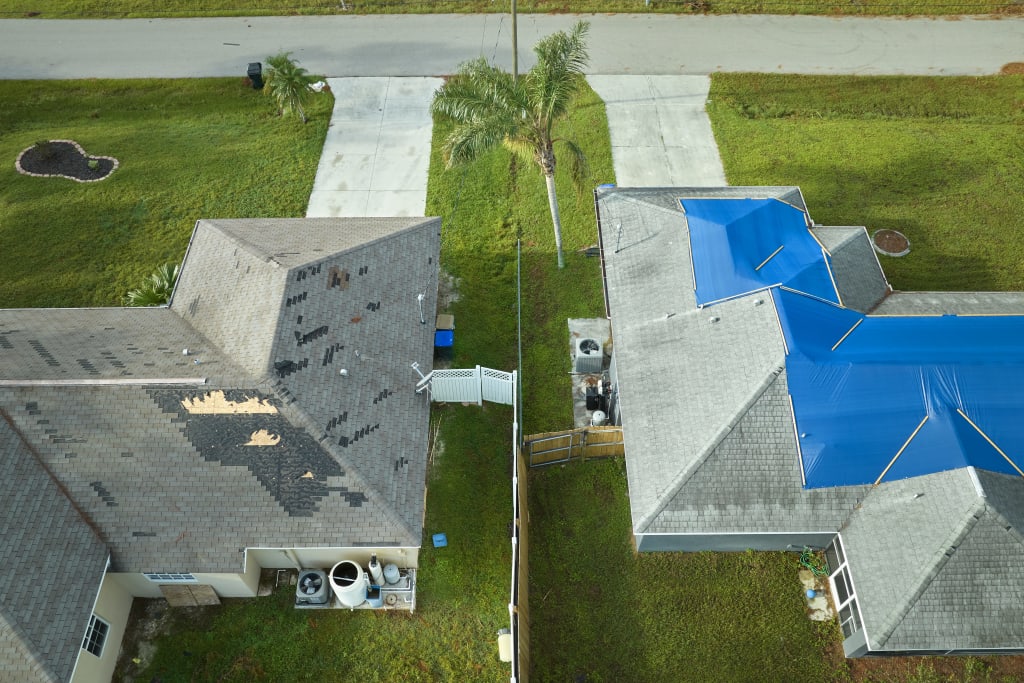
Homeowners insurance premiums can sometimes feel unpredictable for property owners. Many expect their rates to stay stable, but homeowners insurance costs tend to adjust as economic and environmental factors evolve. Various influences contribute to these changes, and understanding them helps homeowners make informed decisions. Knowing why premiums shift allows you to plan strategically, protect your finances, and maintain reliable coverage for your property.
Primary Factors That Cause Homeowners Insurance Premiums to Increase
The insurance industry constantly adapts to inflation, natural events, and economic fluctuations. Even homeowners with spotless claim histories may notice gradual premium increases. These adjustments reflect the broader realities of risk management and market behavior.
- Market shifts and rebuilding costs vary each year.
- Severe weather patterns impact insurer risk levels.
- Inflation drives overall rate adjustments.
The Connection Between Market Trends and Homeowners Insurance
Homeowners insurance rates are influenced by market performance and construction costs. When property values increase, the cost of rebuilding rises, leading insurers to reassess pricing. In fast-growing housing markets, these changes can feel significant, but even in calmer markets, insurers update rates to reflect current expenses.
The Insurance Information Institute reports that the national average for homeowners insurance is around $1,249 per year, but this figure varies greatly depending on home value, materials, and location. Insurers analyze these shifts to ensure coverage aligns with the true cost of restoring a property.
- Elevated home prices raise replacement and repair expenses.
- Rising labor and material costs affect overall coverage rates.
- Local market fluctuations directly influence premium calculations.
How Natural Disasters Drive Up Insurance Premiums
Severe weather remains one of the strongest factors behind rate increases. Floods, hurricanes, and wildfires create widespread claims that force insurers to raise premiums to manage their financial exposure. Even homeowners outside direct disaster zones may experience higher premiums as overall risk models adjust.
According to the National Oceanic and Atmospheric Administration (NOAA), the U.S. experienced 22 separate billion-dollar disasters in 2020 alone. This surge in catastrophic weather events has made risk assessment a central part of how insurers determine policy pricing.
- Regions prone to storms and flooding see the sharpest increases.
- Insurance carriers analyze long-term weather trends before pricing.
- Higher claim volumes from disasters lead to broader rate changes.
Inflation’s Role in Rising Homeowners Insurance Costs
Inflation affects nearly every aspect of homeownership, including insurance. As prices for goods and services rise, the cost to rebuild a home after damage grows as well. Insurance companies must adjust premiums to ensure adequate coverage and sustainable claim payouts.
Recent increases in the Consumer Price Index (CPI) show that inflation continues to impact construction materials like lumber, concrete, and steel. These higher costs directly translate to higher replacement expenses for homeowners.
- Elevated building material prices increase claim payouts.
- Labor shortages further push up reconstruction costs.
- Insurers regularly review inflation data to adjust coverage amounts.
Aging Homes and Their Influence on Premiums
Older properties tend to carry higher risks, which can make them more expensive to insure. Wear and tear, outdated systems, and deferred maintenance all increase the likelihood of claims. Insurers adjust rates to reflect the additional risk of aging materials and infrastructure.
A homeowner with a 40-year-old property may face higher premiums if electrical, plumbing, or roofing systems have not been upgraded. Keeping up with home improvements can help lower long-term insurance costs and reduce claim potential.
- Outdated electrical systems increase fire and damage risks.
- Poor maintenance can result in costlier insurance renewals.
- Modern upgrades demonstrate proactive risk management.
Claims History and Its Impact on Premium Adjustments
A homeowner’s claims record is one of the most influential factors in determining premium changes. Multiple claims within a few years signal elevated risk to insurers, prompting higher rates. Even a single large claim can cause an increase that lasts several renewal cycles.
Homeowners with consistent claim-free histories generally benefit from lower rates. However, regional claim activity also plays a role, meaning community-wide events can affect everyone’s premiums.
- Frequent or high-value claims increase perceived risk.
- Recurring issues, like leaks or storm damage, raise rates faster.
- Neighborhood-wide claims data influence local pricing models.
Policy Enhancements That May Raise Premiums
Rate increases aren’t always negative, sometimes they reflect better protection. Expanding coverage to include flood insurance, personal property riders, or higher liability limits leads to higher premiums but ensures stronger financial protection.
Homeowners who renovate or add features such as decks, pools, or home offices may also see rate changes. Updating coverage ensures new structures or assets are adequately insured against potential losses.
- Expanded coverage options naturally raise total premiums.
- New features increase home value and potential replacement costs.
- Policy reviews ensure comprehensive protection after renovations.
Key Takeaways on Why Homeowners Insurance Premiums Often Increase
Homeowners insurance premiums rise due to evolving economic conditions, environmental risks, and property characteristics. Inflation, home age, and claim frequency all contribute to rate adjustments. Awareness of these factors empowers homeowners to maintain strong coverage while finding ways to manage costs.
Why Homeowners Insurance Premiums Often Increase:
- Climate events and regional claims raise overall risk levels.
- Inflation and housing trends drive higher rebuilding expenses.
- Older properties and expanded coverage increase total premiums.
About the Creator
Keep reading
More stories from Piper Burch and writers in Lifehack and other communities.
10 Factors That Dictate Health Insurance Premiums
Health insurance premiums are rarely random or fixed. Each rate is shaped by multiple specific influences, many of which aren't always obvious at first glance. The surprising factors that influence health insurance premiums include personal details, location-based pricing trends, and broader policy frameworks. Understanding where premiums come from helps people and employers make realistic decisions before costs spiral.
By Piper Burch8 months ago in Lifehack
Through Every Storm, I Chose You
The first time I saw Lina, it was raining. Not the gentle kind of rain that people enjoy while holding coffee in a café. It was the kind that came with heavy clouds and cold winds, the kind that made people run for shelter. But Lina stood under a bus stop roof, laughing as the rain splashed around her shoes.
By Truth words about 13 hours ago in Lifehack
Work Less, Create More: Why Smart Creators Are Delegating Their Work
What once required a publishing company can now be done with a laptop, a website, and a strong idea. But as many bloggers quickly discover, running a successful online platform involves far more than writing articles.
By Bella Clum2 days ago in Lifehack


Comments
There are no comments for this story
Be the first to respond and start the conversation.