
Why a Home Inspection is Essential Before Buying a Property
A home inspection is essential before buying property to uncover hidden issues, avoid costly surprises, and ensure a safe investment. Don’t skip this crucial step in your home-buying journey!
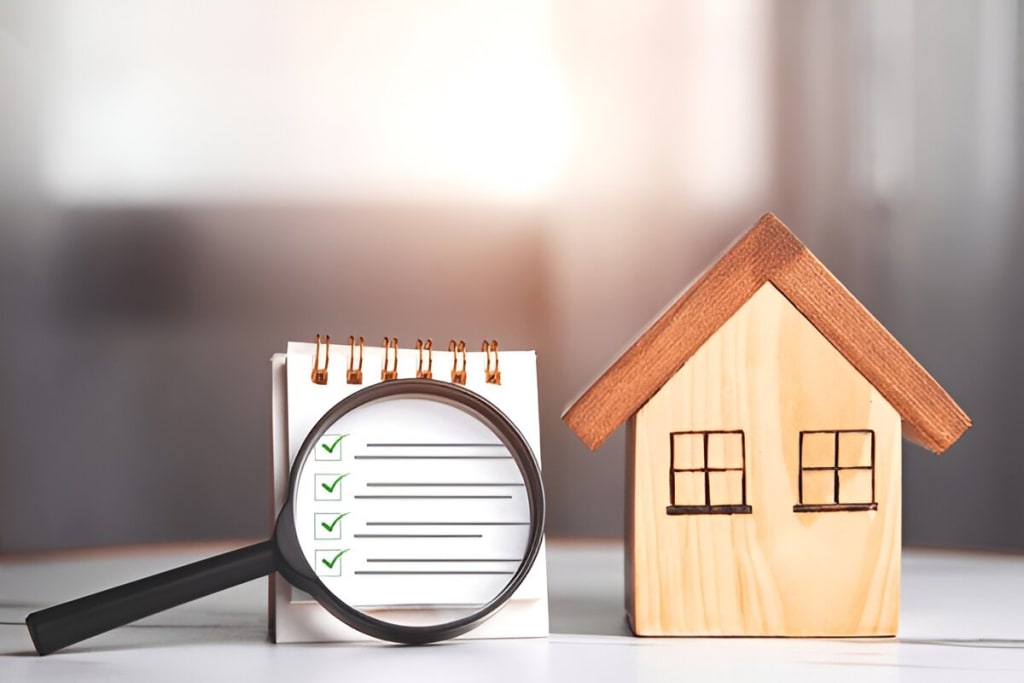
Buying a home is probably the biggest financial decision you’ll ever make. But before you pop the champagne and sign the dotted line, there’s one crucial step you absolutely shouldn’t skip the home inspection.
What is a Home Inspection?
A home inspection is a detailed evaluation of a property’s condition, carried out by a professional home inspector. It includes a visual assessment of everything from the roof to the foundation and all major systems in between.
The Role of a Home Inspector
Think of a home inspector as a detective for your dream home. They look for hidden problems, potential safety hazards, and wear-and-tear issues you might not catch on your own.
Top Reasons Why Home Inspections Are Non-Negotiable
1. Reveal Hidden Issues
That fresh coat of paint might be covering cracks in the walls. A home inspection digs deeper to uncover what's lurking under the surface.
2. Helps You Avoid Costly Surprises
From mold in the attic to termite damage in the basement, discovering these issues after moving in can drain your savings fast.
3. Provides Negotiation Power
If the inspection uncovers problems, you can renegotiate the purchase price, ask the seller to fix the issues, or even walk away altogether.
4. Helps with Insurance and Appraisals
Insurance companies and mortgage lenders often rely on the findings of an inspection to approve coverage or loan terms.
5. Forecast Future Costs
An inspector can tell you when major systems—like the HVAC, water heater, or roof—may need replacement, helping you plan financially.
6. Assures Safety and Code Compliance
A thorough inspection checks for electrical issues, structural risks, and other code violations that could put your family at risk.
7. Supports Informed Decision-Making
Buying a home is emotional. An inspection brings clarity and confidence to an otherwise high-stakes decision.
Common Problems Found During Inspections
- Roof damage or leaks
- Plumbing problems
- Electrical hazards
- HVAC inefficiencies
- Foundation cracks
- Mold or pest issues
What’s Typically Covered in a Home Inspection?
- Roof and attic
- Foundation and structure
- Plumbing systems
- Electrical panels and outlets
- Heating and cooling systems
- Windows and doors
- Insulation and ventilation
- Appliances
What a Home Inspection Doesn't Cover
Home inspections aren’t invasive. They don’t include:
- Inside walls or under floors
- Septic tanks or wells
- Swimming pools (unless added)
- Specialized tests like radon, mold, or asbestos (unless requested)
Who Pays for the Inspection?
Typically, the buyer covers the cost—consider it an investment in peace of mind.
When Should You Schedule a Home Inspection?
Right after your offer is accepted. You usually have a short inspection window, so don’t delay.
How to Choose a Qualified Home Inspector
- Look for certifications (ASHI, InterNACHI)
- Read online reviews
- Ask for sample reports
- Make sure they’re insured and bonded
What Happens After the Inspection?
You’ll receive a detailed report highlighting any issues. From there, you decide whether to move forward, renegotiate, or walk away.
Can You Skip the Inspection in a Hot Market?
Technically, yes. But it’s risky. You might win the house, but lose thousands fixing unexpected problems later.
The Cost of a Home Inspection vs. the Risk of Skipping One
Home inspections cost between $300 and $500. That’s a small price to pay compared to the thousands or tens of thousands, it could save you.
Conclusion
A home inspection isn’t just a box to check, it’s your front line of defense against buyer’s remorse. It empowers you with the knowledge to make a smart investment, negotiate confidently, and avoid nasty surprises down the road.
Thinking of buying a home in Ocala? Hire C4 Property Inspections as a trusted professional and protect your future.
About the Creator
Keep reading
More stories from writers in Lifehack and other communities.
Planning a Smooth Move in Jupiter, Florida
Moving in Jupiter, Florida, often feels different from relocating in larger or more crowded cities. The town’s coastal environment, residential layout, and seasonal rhythm all influence how a move unfolds. While the relaxed atmosphere may give the impression that moving is simple, local factors can quickly complicate the process without proper planning.
By House Doctor2 days ago in Lifehack
Choosing Moving Companies in Palm Beach Gardens, Florida
Moving in Palm Beach Gardens, Florida, can feel exciting, but it also requires careful planning. While the city is known for its clean layout, green spaces, and residential communities, relocating here involves details that are easy to underestimate. Understanding local conditions and planning ahead can make the moving process far more organized and less stressful.
By House Doctor2 days ago in Lifehack
TUS NUA - ch 49
TUS NUA – ch 49 New Beginnings – Mia and Midnight (*)(*)(*) As Mia spoke on the phone to Ali’s sister, Ellen, Finola slipped quietly away and walked to the stream behind Tus Nua. Carefully, she put a block on her family so no one could know what she was about to do.
By Margaret Brennan7 days ago in Fiction




Comments
There are no comments for this story
Be the first to respond and start the conversation.