
When and Why You Should Consider a Full Sewer Line Replacement?
Full Sewer Line Replacement
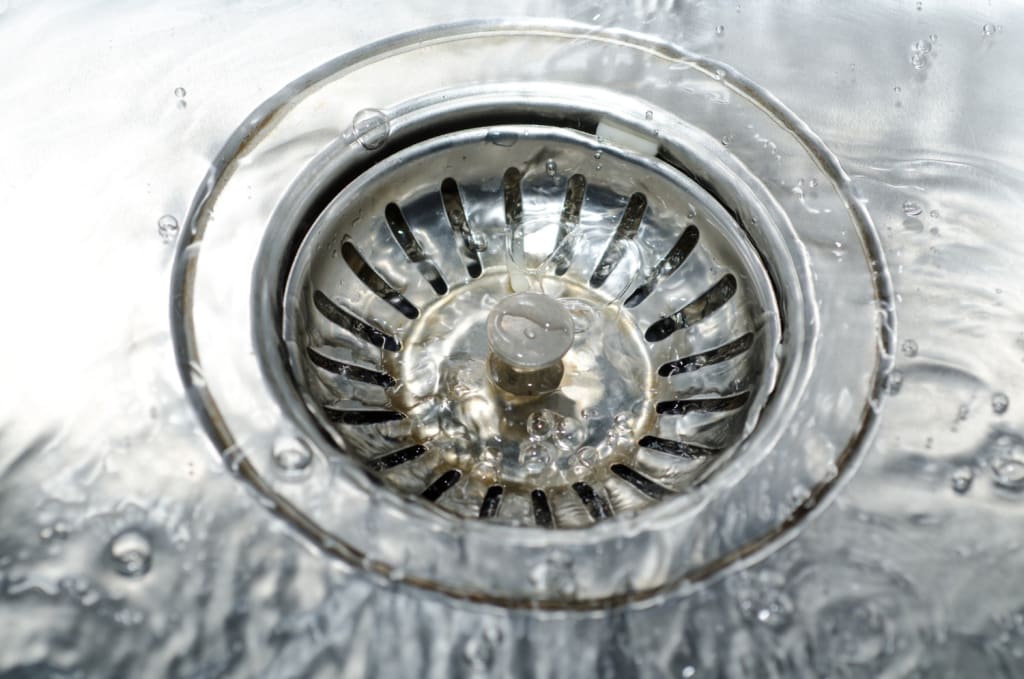
The sewer line is a critical component of your home’s plumbing system, carrying waste away efficiently. However, over time, sewer lines can deteriorate, leading to serious issues that require prompt attention. Knowing when to replace sewer line systems can save you from costly repairs, health hazards, and property damage. This guide explores the signs, causes, and process of full sewer line replacement to help you make an informed decision.
Signs Your Sewer Line May Need Replacement
Be aware of early warning signs, and you will have a chance to prevent major sewer line damage problems. Here are some of the most common signs that you have a problem with your sewer line:
Persistent Clogs or Slow Drains: If your drains frequently clog or clear slowly, it might signal a deeper issue within your sewer line.
Unpleasant Odors: Detecting sewer-like smells near or inside your home suggests possible cracks or leaks in the sewer pipes.
Water Backups: Sewage backing up into sinks, toilets, or bathtubs indicates a significant blockage or potential break in the sewer line.
Lush Lawn Patches: Unusually green areas in your yard may result from a sewer leak, enriching the soil with nutrients.
Foundation Cracks or Sinkholes: Damage to a sewer line can lead to water accumulation beneath your property, causing foundation cracks or sinkholes.
Mold Growth: Leaks in sewer lines increase moisture levels in walls or floors, fostering mold development in those regions.
These are some of the signs that you should replace your sewer line systems before things get worse. You may be able to save yourself a lot of inconvenience and possible financial loss.
Causes of Sewer Line Damage
Understanding what causes sewer line issues can help prevent future problems. Here are some of the most common culprits:
Aging pipes: Pipes are made of materials such as clay and cast iron. They can be outgrown with corrosion and wear, conditions that make them most susceptible to breakage.
Tree root intrusion: Roots from trees and other vegetation can find their way into sewer lines, causing blockages and structural damage.
Soil movement: Earthquakes, construction or natural movement of the soil can cause sewer lines to shift and collapse.
Corrosion: Aging pipes can reach the end of their useful life and begin to corrode through certain chemical reactions with water or soil, causing leaks or even breaks.
Improper Installation: Poor San Jose sewer line installation or outdated techniques can result in misaligned pipes, making them more vulnerable to damage.
Why Full Sewer Line Replacement is a Smart Investment?
Although repairing may be perceived as a cheaper solution, sewer line replacement provides several benefits in the long run:
Improved Longevity: A replacement ensures that your sewer system consists of strong, modern material that can last up to decades, thus lowering the heartburn of having problems pop up again.
Increased Property Value: A new sewer line ensures better efficiency, provides smoother flow, and no more chronic clogs or leaks, thus improving overall performance.
Better Efficiency: A new sewer line will provide smoother flow and may eliminate chronic clogs or leaks, improving overall performance.
Peace of Mind: Knowing the condition of your sewer system reduces the stress and mystery surrounding unexpected sewer system failures.
Investing in a replacement eliminates the need for frequent repairs, saving you money and hassle over time.
When is Replacement Urgent?
At times, the option of simply replacing the faulty parts is not the best variant. Thus, in situations when the pipes are beyond repair, it’s better to do so quickly than to wait.
Extensive Pipe Damage: Sewer lines with numerous creaks, sags and collapses require replacement as a necessary action.
Major Backups: When there are back-up sewer lines, which can be seen in a few household drains, it is a very serious problem and requires immediate repair.
Severe Tree Root Intrusion: Damages caused to the sewer system by the tree roots that have been ignored can only be fixed by replacement in most cases.
Old Pipe Materials: If your sewer system uses outdated materials like clay or cast iron, replacement is recommended to prevent imminent failure.
In these cases, a whole sewer line replacement is of top priority in order to stop any damage to your property or plumbing system.
How the Replacement Process Works
The sewer line replacement process typically involves several steps:
Inspection and Assessment: The plumber will use high-tech tools such as video cameras to look inside the sewer line and see how much damage has been done.
Planning: The team will assess your property to decide on the ideal method of replacement, traditional trench digging, or trenchless techniques.
Excavation or Trenchless Installation: If trenchless methods are used, a small access point is created to install the new pipe. Conventional approaches require digging a trench above the compromised conduit.
Pipe Installation: The new sewer pipe, typically made from durable materials such as PVC, is installed and fitted in place to ensure proper alignment and flow.
Testing and Restoration: The line is tested for functionality, and then the area is backfilled to its original topology.
Choosing a trusted provider like Fuse Service ensures your San Jose sewer line installation is completed efficiently and in compliance with local regulations.
Take Action Before It’s Too Late
Knowing the signs of sewer line issues and when to replace sewer line systems can spare you costly fixes and property harm. If you have experienced repeated instances of clogs, water backups, or a pipe that is simply old enough in age to need replacing, then performing the full replacement ensures continued efficiency without worry for years down the road.
Fuse Service is an established source for San Jose sewer line installation that removes the risk from the replacement process with expert guidance and top-quality replacements. Schedule your maintenance now to prevent a minor issue from becoming a major disaster and protect your property so that the sewer runs smoothly again.
About the Creator
Keep reading
More stories from Abigail Laidlaw and writers in Lifehack and other communities.
How Stem Cells Help Improve Social Skills in Autism Patients
More kids are getting diagnosed with ASD, where currently, 1 in every 68 children has the condition. The disorder limits their ability to make friends and speak correctly because they keep doing the same things over and over.
By Abigail Laidlaw10 months ago in Longevity
The Camera Revolution Nobody Saw Coming
I was at a car boot sale last summer when I noticed something odd. A teenager was haggling over a battered Pentax K1000 from 1976. The camera looked ancient, all metal and manual dials, the kind of thing most people would assume belonged in a museum.
By Marcus Briggs5 days ago in Lifehack



Comments