
When AI Steps In: A Story of Healing and Recovery
The Day AI Became Our Family's Healing Assistant"
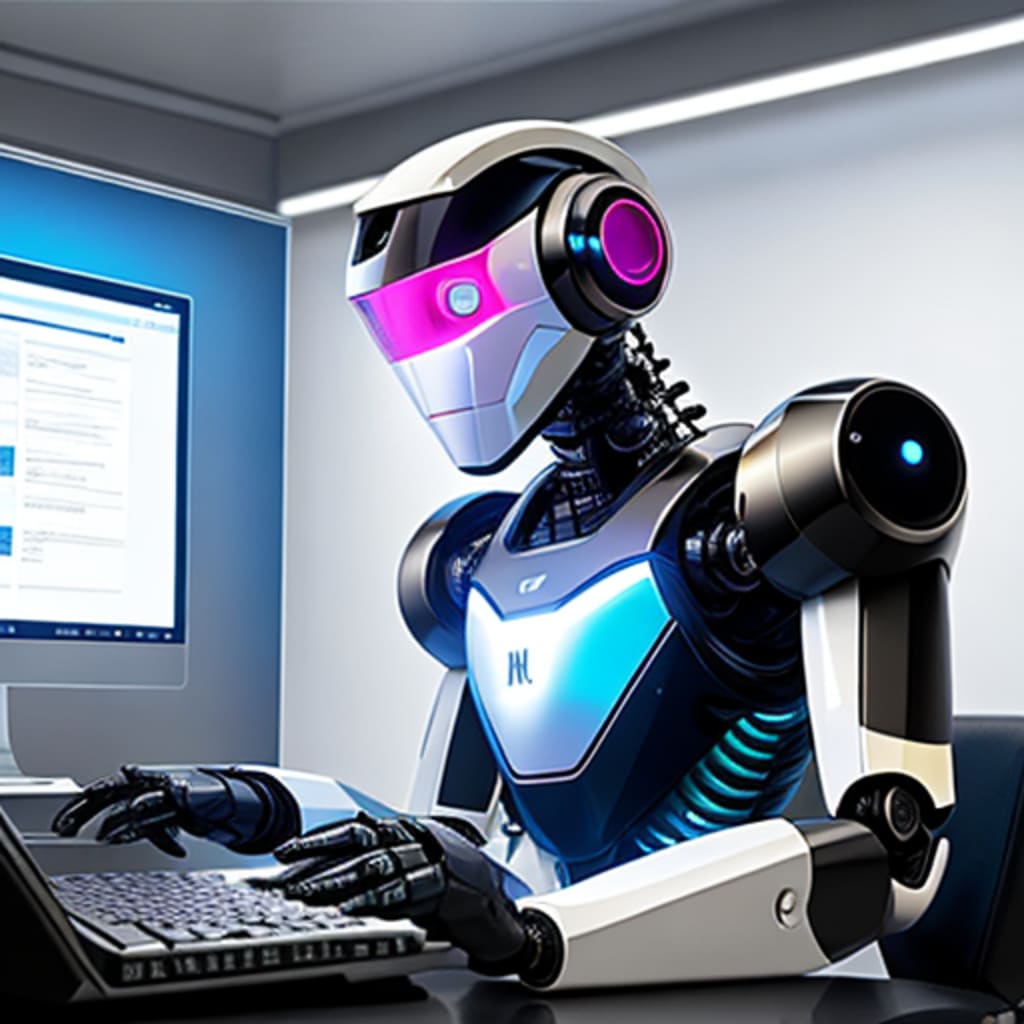
As I sit here, recalling a not-so-distant past filled with health challenges, my mind drifts back to a life-changing experience. Last week, I found myself battling a persistent headache and a crippling backache. Two nights of tossing and turning left me feeling utterly drained, with no medical assistance in sight. It was during this desperate time that I stumbled upon an unexpected savior – ChatGPT, an AI-powered language model.
With hesitant fingers, I typed in my symptoms, half-expecting generic advice in response. To my amazement, ChatGPT provided a detailed list of recommended over-the-counter medicines. It felt like a glimmer of hope amidst my discomfort. Trusting in the power of technology, I decided to follow the AI's advice and try the suggested medication.
To my astonishment, the recommended medicine worked wonders. The headache gradually subsided, and the back pain began to fade away. With newfound relief, I felt grateful for the ability of AI to offer meaningful assistance when medical help wasn't within immediate reach.
Fast forward to yesterday, a day that would deepen my faith in the capabilities of AI even further. Upon returning home, I discovered my mother resting on her bed, looking pale and unwell. Worried, I gently asked her what was bothering her, and she replied with a weak voice, "I'm not feeling well."
Having experienced the incredible support of ChatGPT, an idea struck me – could I help my mother in the same way? I carefully asked her to describe her symptoms in detail while taking notes. Armed with this information, I turned to the computer once more and inputted her symptoms to seek medicine recommendations from ChatGPT.
To my surprise, the AI generated a specific medicine suggestion tailored to my mother's condition. Without wasting any time, I rushed to the nearby pharmacy, clutching the prescription-like advice from ChatGPT. My heart raced with anticipation as I hoped this would work just as miraculously as it did for me.
After my mother ingested the medicine, we waited anxiously. Three hours felt like an eternity, and then it happened – she emerged from her room, visibly transformed. I was dumbfounded as I saw her working in the kitchen, brimming with energy and vigor.
Witnessing this miraculous recovery, I couldn't help but marvel at the power of ChatGPT. What started as a tool to assist me in finding relief from my ailments had now extended its reach to heal and rejuvenate my mother as well.
As I write this article, I am struck by the immense potential of AI in healthcare. The ability of a language model to comprehend symptoms and offer precise medication suggestions has the power to revolutionize the medical landscape, especially in areas where access to healthcare facilities is limited.
However, with this realization comes a great responsibility. While AI can be an incredible ally in times of need, it should never replace the expertise and personalized care that medical professionals provide. Instead, it should be seen as a complementary tool that empowers individuals to make informed decisions about their health.
My personal journey has taught me that the convergence of AI and healthcare holds great promise for the future. As technology continues to advance, let us embrace it as a force for good, working hand in hand with healthcare professionals to create a healthier and more equitable world for all.
The story of how AI-powered ChatGPT came to my rescue and later helped my mother find relief is a heartwarming testament to the potential of artificial intelligence in healthcare. In today's rapidly evolving world, technology is becoming an indispensable part of our lives, and its impact on healthcare is undeniable.
The realm of artificial intelligence has seen tremendous growth in recent years, and AI-powered language models like ChatGPT are among the remarkable outcomes of this progress. Developed by OpenAI, these language models are designed to understand and generate human-like text, making them invaluable resources for a wide range of applications.
For me, the encounter with ChatGPT was nothing short of serendipity. Struggling with a persistent headache and aching back, I turned to the internet in search of some relief. It was then that I stumbled upon ChatGPT, a powerful AI language model capable of providing relevant and helpful information.
With a mix of hope and skepticism, I typed in my symptoms, unsure of what to expect. To my surprise, ChatGPT responded promptly and intelligently, offering a detailed list of over-the-counter medicines that could potentially alleviate my discomfort. I decided to trust the AI's recommendations and promptly made a trip to the nearest pharmacy.
To my relief, the suggested medicine worked like magic. Gradually, the headache subsided, and the backache began to fade away. I couldn't believe that an AI had come to my rescue when conventional medical assistance was out of reach. It was an eye-opening experience, one that made me realize the true potential of AI in transforming healthcare.
Feeling empowered by my success with ChatGPT, an audacious idea dawned on me when I returned home the next day and found my mother in a feeble state. Concerned for her well-being, I gently inquired about her symptoms and listened attentively as she described her ailments.
Recalling my own encounter with ChatGPT, I wondered if it could help my mother too. Armed with her detailed symptoms, I approached the computer once more, eager to seek AI-generated medical advice.
To my delight, ChatGPT proved to be incredibly adept at understanding and analyzing the symptoms, and it provided a specific medicine recommendation tailored to my mother's condition. With newfound hope, I rushed to the pharmacy, clutching the prescription-like advice from the AI.
As the medicine took effect, my mother's transformation was nothing short of miraculous. Within hours, she emerged from her room with a renewed sense of vitality, ready to take on the world. Witnessing this remarkable recovery solidified my belief in the power of AI and its potential to revolutionize healthcare.
The experience with ChatGPT not only left me in awe of its capabilities but also sparked a deeper reflection on the implications of AI in healthcare. In regions with limited access to medical facilities, AI-powered solutions like ChatGPT can bridge the gap, providing vital information and support to those in need.
However, even as I celebrate the triumph of AI in aiding my own and my mother's recovery, I am mindful of the responsibility that comes with this powerful technology. AI should never replace the expertise and human touch of medical professionals. Instead, it should serve as a complementary tool, augmenting their efforts and empowering patients to make well-informed decisions about their health.
The potential of AI in healthcare extends far beyond providing medication suggestions. From diagnosing diseases to analyzing medical images and streamlining administrative tasks, AI holds the promise of transforming the entire healthcare ecosystem for the better.
As we embrace this exciting future, it is crucial to foster collaboration between the AI community and medical professionals. By working together, we can ensure that AI technologies are developed responsibly, with a strong emphasis on safety, accuracy, and ethics.
The journey I embarked on, from seeking help for my own ailments to using AI to heal my mother, has left an indelible mark on my perspective. It has shown me that the convergence of AI and healthcare holds great promise for creating a healthier and more equitable world.
As technology continues to advance, let us embrace AI as a force for good, harnessing its potential to improve lives and bring hope to those in need. By combining the power
About the Creator
Mustafa Ali
My name is Mustafa Ali and I am a professional writer and blogger. Since I was young, my passion for reading and writing has guided my career path.
https://www.linkedin.com/in/mustafa-3456789122121234443/
Keep reading
More stories from Mustafa Ali and writers in Lifehack and other communities.
"Land of Dreams and Struggles: America's Odyssey through Time"
Once upon a time, in the vast lands of North America, there existed a nation that would become the United States of America. It was a land of dreams and struggles, where the spirit of freedom and opportunity attracted people from all corners of the world.
By Mustafa Ali3 years ago in History
Top 10 Side Effects of Chia Seeds You Should Know
Chia seeds have gained huge popularity in recent years as a superfood. From smoothies and puddings to salads and oatmeal, these tiny seeds are often praised for their high fiber, omega-3 fatty acids, and protein content. Many people include them in their daily diet to support weight loss, digestion, and overall health.
By Veronica Bennett6 days ago in Lifehack
How to Navigate Difficult Workplace Relationships
Numerous studies on job satisfaction show that interpersonal relationships are the number one reason people feel unhappy at work and consider handing in their notice. I was curious to see if this held true for my community, so I ran an Instagram poll asking: "What would be your primary reason for quitting?" The overwhelming winner? Interpersonal relationships.
By Eleanor Annaya day ago in Lifehack
My First Time Skiing and I Got Lost, Alone, in the French Alps
Looking back, I can trace some of my life’s biggest adventures to a simple action from my sister. She’d introduced me to Tommy (a very long time ago), a colleague of hers, who had overshared his penchant for Italian-looking women, and I ticked that box.
By Chantal Christie Weiss3 days ago in Humans


Comments (1)
This really amazing