
What You Need to Know About Smart TVs
Do you own a smart TV?
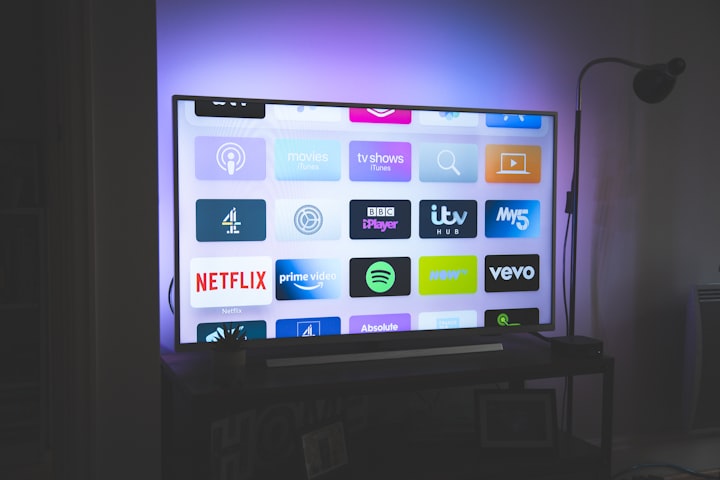
It is certain that the world is changing, including the way we have fun and relaxes at home. To some extent, the health crisis, which has kept us in the house, and the extremely congested pace of life, which leaves us almost no free time, have changed the relationship we have with the TV in the house.
If some time ago - not very long ago - TV news magazines were making a career and we were looking forward to a certain day of the week to see a new episode of our favorite series, today things are different and continue to change rapidly.
The cinema in the living room
And not just from the living room… The era of television news is over. And he certainly isn't coming back. The smartphone keeps us up to date with everything we are interested in, from political events to weather alerts, showbiz, or any field.
Social media and online media have turned television into a home cinema. We are only interested in a convenient, comfortable, fast-paced source of entertainment that satisfies any preference on the spot, whether it's movies, series, video games, family movies, YouTube videos, or anything else we want.
We don't depend on the time, we don't have advertising, we interrupt the movie when we want, we can review anything, as many times as we want. All this with one condition: to have one of the smart TV models. Details here.
What is a smart TV
Simply put, it is a TV that can connect to the internet, wirelessly or cable. To do this, the TV has a processor and a hard drive, such as a laptop and a mobile phone, on which all compatible applications and, most importantly, an operating system are stored.
All in all, the TV makes a super-smart device, perfect for watching movies and series on any streaming network. It can be "glued" to a gaming console and you can play anything you want or, if you attach a wireless keyboard and mouse, you can surf the net, wherever you want and when you want.
You may not know it, but a smart TV doesn't need its remote control. You can access it with your phone or tablet, after downloading an application compatible with the TV's operating program (the brand doesn't even matter).
What series are we watching this weekend?
Statistics show that people who use a smart TV have stopped watching classic TV channels. HBO Go, Netflix, Hulu, Facebook applications, Youtube (seems the most used of all), Twitter, Skype, plus streaming services dedicated to sports, plus audio, which can be heard on TV (which becomes a smart radio connected to the internet, while the screen is black), meet all needs.
One benefit is access to recent or classic productions when you feel like it, series from the first to the last episode, seen in one day, all at a monthly cost below the value of a movie ticket. But that's not all. On the list of benefits can be added the quality time spent in the family, with extremely low costs and very low energy consumption.
Special functions
Among the most practical is the DLNA function that offers the possibility to synchronize the TV screen with the screen of other compatible smart devices. For example, you can see pictures on your smartphone on a very large TV screen.
The DLNA function complements the mirroring, sharing, or sharing feature that exists on all mobile devices running Android, and the image on the mobile phone is shared on an external screen, via a cable or a wireless connection. When enabled, the external display is an exact, real-time replica of what you see on a tablet, laptop, or mobile device. The function is more than necessary for the online school, whether you are a student or a teacher.
Small tips, very useful
Consider these few tips before choosing a smart TV so that it is perfectly compatible with your needs. So:
- Choose a TV that has an operating system compatible with other smart devices you already have. This makes the interconnection between them very simple, almost natural, and will help to transform your home into a smart one.
- The image quality depends primarily on the quality and speed of the internet network to which you connect the TV and only then on its performance.
- If you have children, smart TVs allow you to block their access to some channels (for example, those for adults) but also allow you to see some movies (with special glasses) in 3D, which is a challenging experience for the little ones.
- To make sure that no one "steals" access to the streaming networks you subscribe to, put strong passwords on them and change them from time to time. The same goes for the house's wi-fi network.
A smart TV is the equivalent of a color TV about 30 years ago. It must exist in all homes because it is useful and… smart.
About the Creator
Keep reading
More stories from Sarah Moss and writers in Lifehack and other communities.
Should or Shouldn’t You Wash Sneakers in the Washing Machine?
Neat sneakers are good to keep for years. Such a couple sees romantic walks, crazy races, shopping of all kinds, fatigue, joy, and the creation of memories. But it is normal to get dirty, and it is impossible to disagree with that. And then, do sneakers get into the washing machine or not?
By Sarah Moss4 years ago in Lifehack
Zojirushi BB HAC10 vs BB SSC10: Which One Should You Buy?
Choosing between the Zojirushi bb hac10 vs bb ssc10 can feel confusing when both promise great homemade bread in a compact size. I like how each model focuses on small 1-pound loaves, which fit typical U.S. households and reduce waste.
By Mohammed mamun5 days ago in Lifehack
Southern Paws Boxers Puppies: Pricing, Temperament, and Buying Guide
Choosing a Boxer puppy is not just about finding a cute companion. It is about selecting a healthy, well bred dog that fits your lifestyle for the next decade or more. Many buyers searching for regional breeders often come across Southern Paws Boxers. Before making any commitment, it is important to understand the breed, realistic pricing expectations, and the standards that separate responsible breeders from questionable ones.
By Rohit Mishraa day ago in Lifehack




Comments
There are no comments for this story
Be the first to respond and start the conversation.