
What to Know Before Traveling to Laos
Essential Tips and Hidden Treasures
Laos, a landlocked gem in Southeast Asia, offers a rich culture, history, and natural beauty. It is a destination full of surprises, offering a rich cultural heritage and untouched natural beauty. From breathtaking landscapes to lively cities, here’s what you need to know before travelling to Laos, along with some hidden treasures you shouldn’t miss.
Visa and Entry Requirements
Most travellers will need a visa to enter Laos, but the process is relatively simple. You can either apply for an e-visa before your trip or obtain a visa on arrival at major airports and border crossings. Make sure your passport is valid for at least six months from your date of entry, and always check the latest entry requirements based on your nationality.
Best Time to Visit
Laos has a tropical monsoon climate, so timing your visit is key to making the most of your trip. The ideal time to visit is during the dry season, lasting from November to April. During this period, the weather is cooler, and the landscape is lush and green, especially after the rains. If you want to avoid the tourist crowds, consider visiting during the shoulder months of October and May when the weather is still pleasant but less crowded.
Cultural Etiquette
Laos is a deeply spiritual country, with Buddhism playing a central role in daily life. As such, it’s important to be respectful of local customs and traditions. Your knees and shoulders should be covered when going to visit religious sites such as temples. It's also customary to remove your shoes before entering temples or someone’s home. Always greet locals with a polite "Sabaidee" (hello) and a slight bow, which is considered a warm gesture in Laotian culture.
Must-See Hidden Treasures
While Laos is known for its capital, Vientiane, and the UNESCO-listed town of Luang Prabang, the country also boasts several hidden treasures worth exploring.
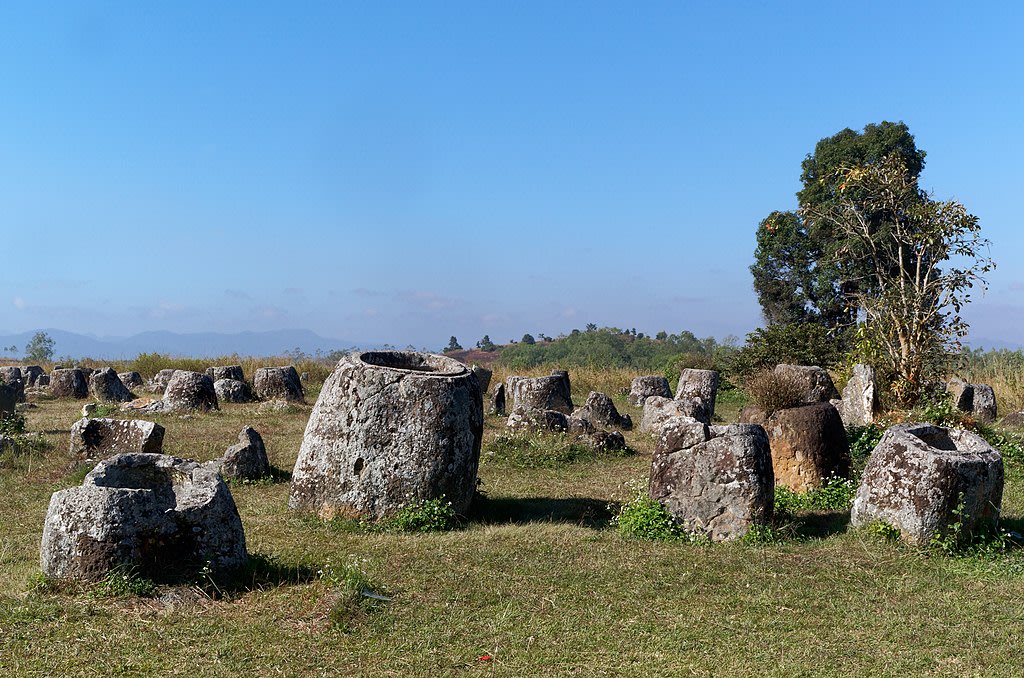
The Plain of Jars: Located in the central highlands, this mysterious archaeological site features thousands of stone jars scattered across the landscape. These ancient relics, some of which weigh up to several tons, are believed to be over 2,000 years old, though their exact purpose remains a mystery.
Bolaven Plateau: For nature lovers, the Bolaven Plateau in southern Laos is a lush haven of waterfalls, coffee plantations, and scenic trekking routes. The area is cooler than the rest of Laos, making it a perfect escape during the hot season. Don’t miss the Tad Fane Waterfall, a stunning twin cascade that plunges into the jungle below.
Nong Khiaw: This small town nestled along the Nam Ou River is one of Laos’ best-kept secrets. Surrounded by dramatic limestone cliffs, Nong Khiaw is an ideal spot for hiking, kayaking, and soaking in the serene countryside.
Local Cuisine
Laotian cuisine is a delightful fusion of bold flavours and fresh ingredients. Staple dishes include sticky rice, which is eaten with almost every meal, and Laap, a minced meat salad flavoured with herbs, lime, and chilli. Don’t miss Tam Mak Hoong (green papaya salad) and the ubiquitous noodle soup, Pho, which can be found in local markets across the country. For adventurous eaters, Laos also offers some unique local delicacies like riverweed snacks and bamboo stew.
Getting Around
Exploring Laos can be an adventure in its own right. The country’s transportation system is still developing, so be prepared for slower travel times, especially in more remote areas. Buses are the most common mode of transportation, though boat travel along the Mekong River is also popular for those wanting to experience a slower, scenic journey. For short distances, tuk-tuks and motorbike rentals are available in most towns.
Currency and Budgeting
Laos uses the Lao Kip (LAK) as its official currency. While some larger hotels and restaurants may accept US dollars or Thai Baht, it’s best to carry local currency, especially when travelling to smaller towns and rural areas. Laos is generally an affordable destination, with budget travellers able to get by on as little as $20-30 per day. However, luxury options offer a more upscale experience for those looking to splurge.
Where to Stay in Laos
When it comes to finding accommodation in Laos, you’ll find a range of options that suit all budgets, from boutique guesthouses to luxury hotels. Some of the best hotels in Laos offer a mix of traditional Laotian architecture with modern comforts. For a truly memorable stay, consider Avani Hotels & Resorts, which offers a unique blend of Laotian charm and world-class amenities. Whether you’re staying in Vientiane or Luang Prabang, Avani ensures a luxurious and comfortable retreat after a day of exploration.
About the Creator
Keep reading
More stories from Gabriel Anthony and writers in Lifehack and other communities.
The Ultimate Guide to Beat the Heat on Yas Island
Ranked among the globe's top entertainment and recreational hotspots, Yas Island is no ordinary leisure hub in Abu Dhabi. Home to some of the world's finest integrated resorts, it's a grand and spacious playground for the rich and famous as well as those with the means to spend time at this luxurious manmade isle. While a getaway on the island is a dream come true, contending with the summer heat is a whole other matter, which might be remedied by cooling off at the following venues.
By Gabriel Anthony2 years ago in Lifehack




Comments
There are no comments for this story
Be the first to respond and start the conversation.