
What to Expect When Working with a Co-Packer
When you're ready to take your product to the next level, co-packing is a great option. But what is co-packing, and what can you expect when working with a co-packer?
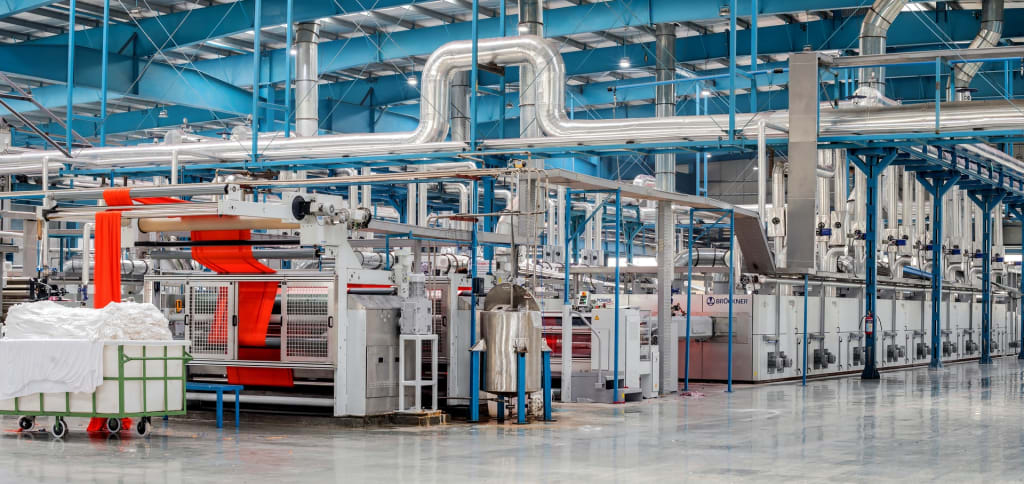
Co-packing is when a company contracts with another company to produce, package, and/or distribute its product. Co-packers are often used by small or startup companies that don't have the capacity to produce their product on their own.
When working with a co-packer, it is important to understand what to expect in terms of services, quality, and cost. Here are some things to keep in mind:
Services - A co-packer should be able to provide a full range of services, from packaging and labeling to storage and shipping. They should also be able to work with you to customize a solution that meets your specific needs.
Quality control - Throughout the production process, your co-packer will perform quality control checks to ensure that your product meets your standards.
Cost - The cost of working with a co-packer will vary depending on the services you require and the size of your order. However, you can expect to receive a competitive quote that includes all fees and charges.
Invoicing - After production is complete, you'll receive an invoice for the total cost of goods sold. This invoice will typically be due within 30 days.
Initial consultation - Before production begins, you'll meet with your co-packer to discuss your product and packaging requirements. This is an important step to ensure that your co-packer understands your vision for the product and can provide advice on how to best achieve it.
Quotation - Once you've decided to move forward with a co-packer, you'll receive a quotation outlining the cost of production. This quotation will take into account the size and scope of your project, as well as any special requirements.
Production - Once you've approved the quotation, production will begin. Your co-packer will handle all aspects of production, from sourcing ingredients to packaging and shipping the finished product.
Benefits of Co-Packer
There are many benefits to working with a co-packer, including:
Increased production capacity - When you work with a co-packer, you can increase your production capacity without having to invest in your own equipment or hire additional staff. This can be a great way to scale your business without breaking the bank.
Access to expertise - Co-packers are often experts in their field, and can offer valuable insights and advice on how to improve your product or packaging.
Flexibility - Working with a co-packer gives you the flexibility to ramp up or down production as needed, without being tied to long-term contracts or expensive equipment.
Cost savings - In many cases, co-packing can be more cost-effective than producing your product on your own. This is because co-packers often have economies of scale that allow them to pass on savings to their clients.
Time savings - When you outsource production to a co-packer, you free up time that you can spend on other aspects of your business. This can be a particularly valuable benefit for small businesses or startups that don't have the luxury of extra time.
How Does It Works?
A co-packer is a company that provides packaging and other support services to food and beverage manufacturers. Co-packers are often used by small and medium-sized companies that do not have their own in-house packaging capabilities.
Co-packers can provide a variety of services, including packaging, labeling, storage, and shipping. They can also work with manufacturers to customize a solution that meets their specific needs. In addition, co-packers typically have strict quality control procedures in place to ensure that products meet all safety and quality standards.
Conclusion
When choosing a co-packer, it is important to partner with a reputable company that you can trust to provide the services you need. With so many contract packaging company to choose from, taking the time to research your options and compare quotes will help you find the right partner for your business.
About the Creator
Keep reading
More stories from writers in Lifehack and other communities.
The Smartphone Feature Everyone Praises
There’s always at least one smartphone feature that gets universal praise. Reviewers highlight it. Launch events emphasize it. Comment sections fill with excitement. On paper, it sounds like the kind of innovation people have been waiting for.
By abualyaanart3 days ago in Lifehack
Top Seattle Mobile App Development Trends to Watch in 2026
The moment often comes quietly. A leadership team reviews last year’s mobile roadmap and realizes how much has already shifted. Costs are higher. Users are less patient. Regulations feel closer. What worked even two years ago now feels slightly outdated.
By Samantha Blake6 days ago in Lifehack




Comments
There are no comments for this story
Be the first to respond and start the conversation.