
What Should I Do First If A Pipe Bursts At Home?
Don't Panic! Here's What to Do Right Now.
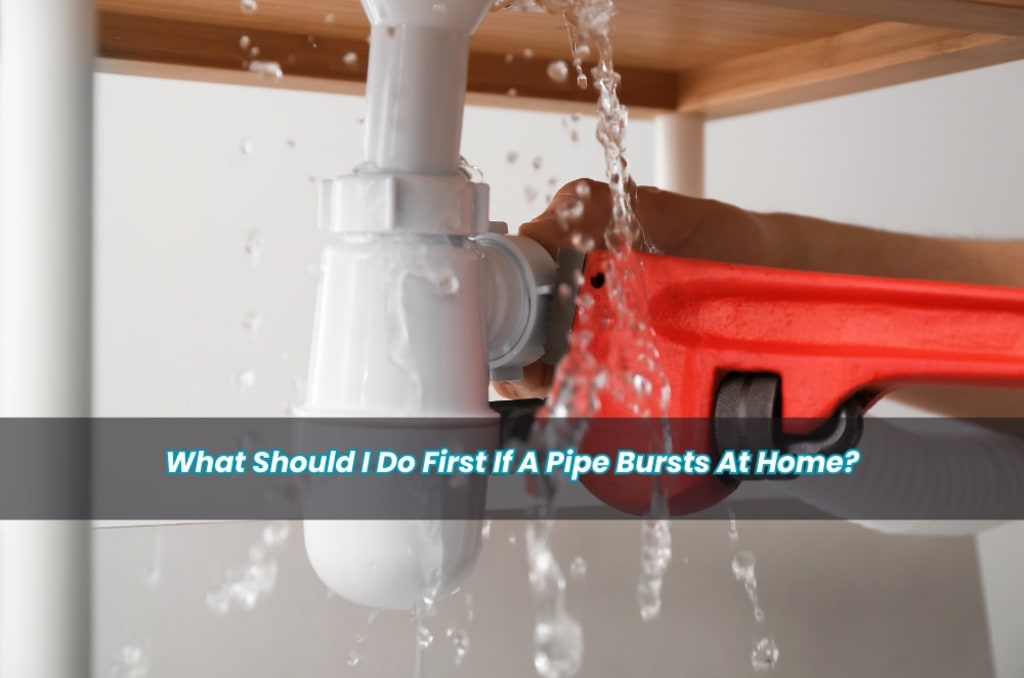
The sudden sound of rushing water indoors can shiver down anyone's spine. Discovering a burst pipe is a homeowner's nightmare. Panic might set in, but swift, decisive action is paramount. Knowing the correct initial steps can mitigate significant damage and ensure your safety. If you are facing an emergency and need affordable burst pipe services right now, know that speed is of the essence in this situation. We will also look for the immediate things to do to stop the water from running, determine the dangers of leaving it, decide how to keep it from happening and determine how your regular plumber can help you with such emergencies. And also what influences the cost of repair. This way, you are knowledgeable enough to take action when the unexpected happens, and your property is at risk.
Should I try to stop the water flow immediately?
Absolutely. Your priority should be to stop the flow of water. The longer water spews from a gushing pipe, the more damage it could cause. Water can quickly ruin walls, floors, ceilings and possessions. Additionally, it can cause dangerous electrical risks. Your immediate response will significantly affect the amount of devastation and, ultimately, the cost of repairs. First, find your main water shut-off valve. This is typically located near your water meter or where the main water line enters your property. Tighten the valve by rotating it clockwise until the water flow has ceased. If you’re unsure where the main valve is, get acquainted with it. Such knowledge can be invaluable in a crisis.
What are the risks of ignoring a burst pipe?
You might be tempted to wait in the fray and panic of a burst pipe. However, delaying comes with serious risks for Sydney homeowners and businesses. This plumbing emergency can become a severe issue if not dealt with immediately.
- Structural damage: Excessive water seepage degrades building materials, affecting walls, floors, and foundations and resulting in costly structural repairs.
- Mould infestation: A damp area is ideal for mould growth and multiplies rapidly (within 24-48 hrs.). This might lead to many problems, such as respiratory issues and allergic reactions.
- Electrical hazards: Water is a powerful conductor of electricity, leading to potentially deadly electrical conditions and creating a risk of shocks and fires when in contact with wiring or outlets.
- Soaring expenses: Letting repairs linger allows water damage to grow and spread, turning what could have been a simple repair into a massive and expensive remediation effort requiring multiple specialists.
How much is the cost of burst pipe plumbing?
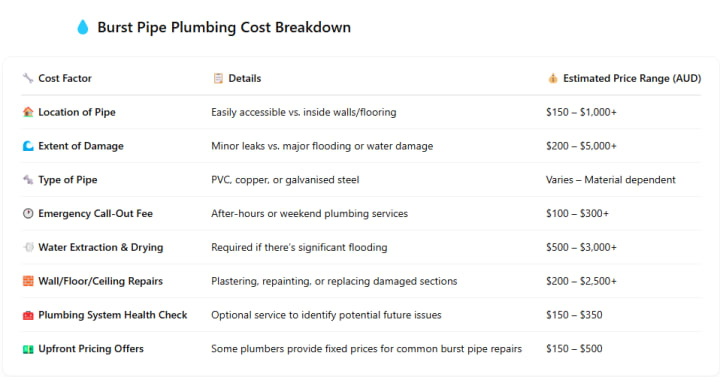
The price of fixing a broken pipe may differ drastically based on several factors. A key factor is the complexity of the repair. A quickly located and repaired burst will likely be cheaper than a burst in the wall or under flooring, which requires much more invasive work. The overall price will also be determined by how much damage the escaping water causes. If you have considerable water damage, you may also need to consider water extraction, drying and repair of your walls, floors, or ceilings. The type of pipe that has burst and the materials required for the repair will also factor into the cost. Emergency call-out fees will also increase the total cost, mainly if the burst happens outside general business hours or over weekends. Getting a quote from the plumber beforehand is always a good idea to ensure they are not overpriced. Although cost is a factor, remember that a prompt response to a burst pipe can help avoid much more costly damage. To avoid potential issues, some plumbers may even recommend a complete plumbing health check to identify your system's weaknesses before they become emergencies. Some plumbing pros may provide upfront pricing for common burst pipe repairs.
How can I prevent pipes from bursting in the future?
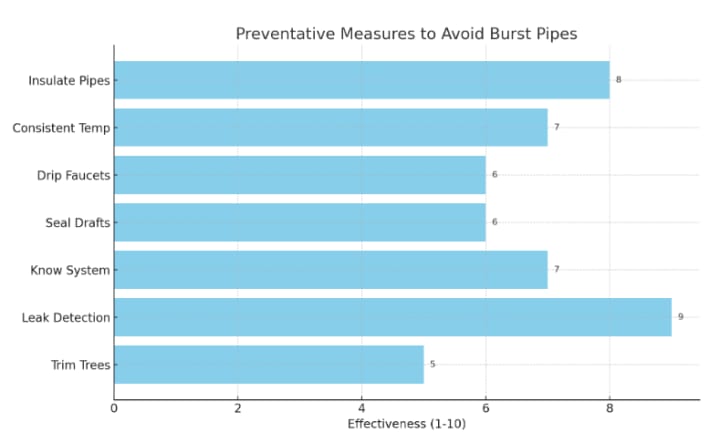
Prevention is worth more than a pound of cure, and avoiding burst pipes is much better than dealing with the consequences. Several steps can significantly minimise this risk.
- Insulate exposed pipes: Drain pipes (like the ones found in unheated areas such as basements, crawl spaces, and garages) are especially susceptible to freezing temperatures. Pipe insulation sleeves can provide some much-needed protection.
- Keep consistent indoor temps: In cold weather, keep your thermostat at a consistent temperature, even when you are away. Letting the temperature drop dramatically increases the chances of freezing pipes.
- Let faucets drip during extreme cold: A slow drip can help keep the water moving in the pipes so it doesn’t freeze and expand, which will affect faucets on exterior walls.
- Seal drafts and openings: Cold air in your house can chill areas around the pipes. Patch or fill cracks or gaps in walls, windows and doors.
- Know your plumbing system: Find your main water shut-off valve and understand how to operate it. Regular plumbing inspections can prevent problems before they occur.
- Smart home water leak detection system: These systems can automatically monitor potential leaks and even shut off the water supply.
- Keep nearby trees and bushes trimmed: Sometimes, roots get into and damage underground pipes. Regular trimming can help prevent this.
These preventative measures can help give you peace of mind and save you from the stress and cost of dealing with a bursting pipe.
Can a plumber handle a burst pipe situation?
You'll likely call a qualified plumber for a burst pipe. Burst pipes are a typical plumbing emergency. Plumbers are trained and equipped to handle it all efficiently and effectively. They can receive training to quickly find the source of the burst if they haven’t already been able to stop the water flow and evaluate the damage. They can also take care of the repairs needed, whether patching or replacing a stretch of pipe or more extensive scale work if the burst is severe. If you're dealing with persistent drainage issues or want to beat the blocked pipes in your house, a licensed plumber can also help address those. However, suppose the burst is happening outside business hours. In that case, it is essential to call a plumber who provides an emergency service. Plumbing companies offer 24-hour emergency call-outs to fix burst pipes. Make sure that the plumber you are calling is licensed and insured so that you can have peace of mind.
Conclusion
In short, speed is your greatest friend when a pipe bursts. First and foremost, we need to stop the water flow immediately; after that, we need to know what will happen if we delay. Understanding the potential damage and the cost of repairing pipes are essential. Equipped with preventative information and knowledge that local experts are only a call away if you face an emergency, you can confidently approach the situation. Let us know about your experience, or ask more in the comments. Other people in these situations can benefit from what you share, building a helpful community. The sooner you act, and the more expert help you seek, the faster and more lasting your peace of mind and resolution of the issue.
About the Creator
Keep reading
More stories from Laird North and writers in Lifehack and other communities.
Clog No More: The Ultimate Hair Drain Trap
You step into the shower, turn the water on and start feeling the dread set in as the water pools around your ankles. How to remove a hair clog in bathroom drain. Most homes struggle with hair-clogging the bathroom drain, making a soothing shower stressful. But you don’t have to make this slippery, slimy mess a recurring nightmare. So, this guide will help you master your drains, giving you practical ways to stop hair clogs from ever appearing again. We help you understand the underlying issues leading to these blockages, provide effective DIY solutions, and provide guidance on when to contact the experts. We cover everything you will need to keep your Sydney drains flowing! We’ll examine the risks involved with using chemical drain cleaners, go over eco-friendly home remedies, and — most importantly — a couple of preventative measures to bypass clogged drains before they even happen. This is the path to drain redemption.
By Laird North11 months ago in Journal
To the mountains with children
Family hikes with children in Bukovel have their advantages. In addition to the standard "set of impressions and entertainment", here you can pick wild berries, swim in a crystal clear mountain lake, go fishing under the supervision of adults, visit popular tourist locations or get acquainted with Hutsul cuisine. Each hike can be called a modern and fun method of education. In a relaxed circumstance, the child learns to communicate, support others, cope with difficulties and believe in himself, replenishes knowledge about Ukraine, acquires useful skills for life in the "wild».
By Olaf Podolski5 days ago in Lifehack




Comments
There are no comments for this story
Be the first to respond and start the conversation.