
What is the Reason for Tap Water Leakage?
Exploring the Causes and Solutions of Tap Water Leakage

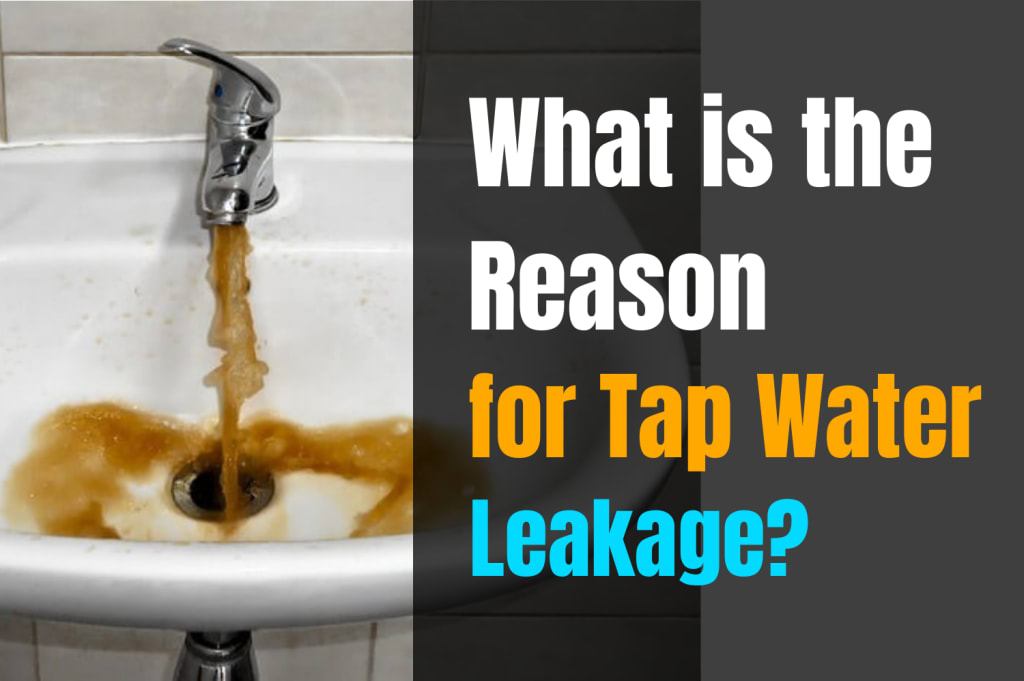
Water leakage from taps is a common household problem that can be quite frustrating to deal with. Not only does it waste water, but it can also lead to higher water bills and potential damage to your property. In this article, we will explore the various reasons behind tap water leakage and discuss possible solutions to fix the issue.
Table of Contents
1. Introduction
2. Causes of Tap Water Leakage
- Worn-out Washers or O-Rings
- Loose or Damaged Valve
- Corroded Pipes
- High Water Pressure
- Improper Installation
- Cracked or Damaged Tap
- Faulty Cartridge or Ceramic Disc
- Plumbing System Issues
- Freezing Temperatures
- Hard Water Deposits
- Age of the Plumbing System
- Water Hammer
3. How to Fix Tap Water Leakage
- Replace Worn-out Washers or O-Rings
- Tighten or Replace the Valve
- Repair or Replace Corroded Pipes
- Install a Pressure Regulator
- Ensure Proper Installation
- Repair or Replace Cracked or Damaged Tap
- Replace Faulty Cartridge or Ceramic Disc
- Check and Repair Plumbing System Issues
- Insulate Pipes during Freezing Temperatures
- Remove Hard Water Deposits
- Consider Upgrading the Plumbing System
- Install Water Hammer Arrestors
4. Conclusion
5. FAQs
- Can I fix tap water leakage on my own?
- How much does it cost to repair tap water leakage?
- Are there any temporary fixes for tap water leakage?
- Can high water pressure cause tap water leakage?
- Is tap water leakage a sign of a bigger plumbing issue?
Introduction
Tap water leakage occurs when water drips or flows continuously from a faucet even when it is turned off. It is a common plumbing problem that can occur in both residential and commercial settings. Understanding the reasons behind tap water leakage is essential to address the issue effectively.
Causes of Tap Water Leakage
There are several potential causes for tap water leakage. Identifying the underlying problem is crucial to determine the appropriate solution. Here are some common reasons for tap water leakage:
Worn-out Washers or O-Rings: Over time, the washers or O-rings inside the faucet handle can deteriorate, causing water to leak through the handle.
Loose or Damaged Valve: A loose or damaged valve can lead to water leakage. The valve is responsible for controlling the flow of water, and if it is not functioning properly, it can result in leaks.
Corroded Pipes: Corrosion can occur in the plumbing pipes over time, causing them to develop small holes or cracks. These damaged pipes can lead to water leakage.
High Water Pressure: Excessively high water pressure can put strain on the plumbing system, leading to leaks at the weakest points, such as faucets.
Improper Installation: Poor installation techniques or using low-quality plumbing materials can contribute to tap water leakage issues.
Cracked or Damaged Tap: Physical damage to the tap itself, such as cracks or fractures, can cause water to leak.
Faulty Cartridge or Ceramic Disc: Taps with cartridges or ceramic discs may experience leakage if these components become worn-out or damaged.
Plumbing System Issues: Problems within the plumbing system, such as clogs, leaks, or faulty connections, can result in tap water leakage.
Freezing Temperatures: In colder climates, water inside the pipes can freeze and expand, causing the pipes to crack and leak when they thaw.
Hard Water Deposits: Mineral deposits from hard water can accumulate inside the tap, affecting its functionality and causing leaks.
Age of the Plumbing System: Older plumbing systems may develop leaks due to wear and tear over time.
Water Hammer: Water hammer occurs when there is a sudden change in water flow, causing pressure surges that can lead to pipe damage and subsequent leakage.
How to Fix Tap Water Leakage
Fixing tap water leakage depends on the underlying cause. Here are some solutions to address common causes of tap water leakage:
Replace Worn-out Washers or O-Rings: By disassembling the faucet handle and replacing the worn-out washers or O-rings, you can eliminate the source of the leak.
Tighten or Replace the Valve: If the valve is loose or damaged, tightening it or replacing it entirely can help resolve the leakage issue.
Repair or Replace Corroded Pipes: Corroded pipes may need to be repaired or replaced by a professional plumber to stop the water leakage.
Install a Pressure Regulator: Installing a pressure regulator can help control the water pressure and prevent excessive strain on the plumbing system.
Ensure Proper Installation: If the tap was not installed correctly, reinstalling it following proper techniques can eliminate the leakage problem.
Repair or Replace Cracked or Damaged Tap: In cases where the tap itself is cracked or damaged, repairing or replacing it is necessary to stop the water leakage.
Replace Faulty Cartridge or Ceramic Disc: Taps with cartridges or ceramic discs may require replacing the faulty component to fix the leakage.
Check and Repair Plumbing System Issues: Identifying and addressing any plumbing system issues, such as clogs or leaks, can prevent water leakage.
Insulate Pipes during Freezing Temperatures: During cold weather, insulating the pipes can protect them from freezing and reduce the risk of leaks.
Remove Hard Water Deposits: Regularly cleaning and removing mineral deposits from taps can prevent leakage caused by blockages.
Consider Upgrading the Plumbing System: If the plumbing system is old and prone to frequent leaks, upgrading to a newer system can provide a long-term solution.
Install Water Hammer Arrestors: Installing water hammer arrestors can absorb the pressure surges and prevent pipe damage and subsequent leakage.
Conclusion
Tap water leakage can be a frustrating problem to deal with, but by understanding its causes and implementing the appropriate solutions, you can effectively resolve the issue. Whether it's replacing worn-out parts, repairing damaged pipes, or adjusting water pressure, taking action promptly can help conserve water, prevent property damage, and save you from costly repairs. Although it is best You to hire a professional tap repair plumber to fix leakage for you.
FAQs
Can I fix tap water leakage on my own?
Yes, you can fix tap water leakage on your own if it's a minor issue like replacing washers or O-rings. However, for complex problems or if you're unsure, it's advisable to seek professional plumbing assistance.
How much does it cost to repair tap water leakage?
The cost of repairing tap water leakage varies depending on the extent of the damage, the required repairs, and the rates of local plumbers. It's best to contact a professional plumber for an accurate estimate.
Are there any temporary fixes for tap water leakage?
Temporary fixes like using a wrench to tighten loose fittings or placing a bucket under the leak can help contain the water temporarily. However, it's crucial to address the underlying cause to prevent further damage.
Can high water pressure cause tap water leakage?
Yes, high water pressure can strain the plumbing system and lead to tap water leakage. Installing a pressure regulator can help maintain a safe and optimal water pressure level.
Is tap water leakage a sign of a bigger plumbing issue?
Tap water leakage can be indicative of underlying plumbing issues, such as corroded pipes or faulty valves. It's essential to address the leakage promptly to prevent potential damage and further complications.
About the Creator
Nikki Hinata
Passionate content writer crafting engaging, impactful content. From blogs to website copy, I bring ideas to life through storytelling and relatable communication. Let's create exceptional, captivating content together! #ContentWriter
Keep reading
More stories from Nikki Hinata and writers in Lifehack and other communities.
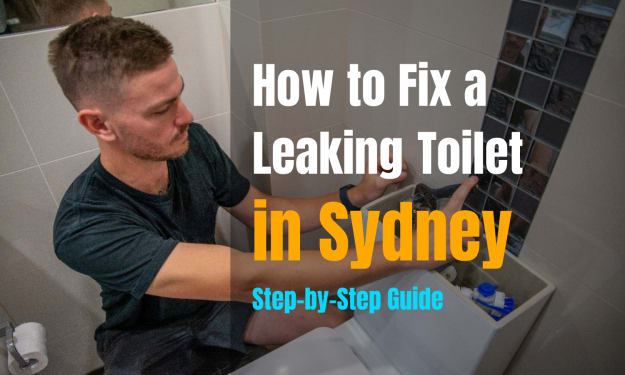
How to Fix a Leaking Toilet in Sydney: A Step-by-Step Guide Introduction
Introduction Having a leaking toilet can be a frustrating and troublesome experience. Not only does it waste water, but it can also cause damage to your bathroom floor and increase your water bill. However, with a little knowledge and some basic tools, you can easily fix a leaking toilet yourself. In this article, we will guide you through the step-by-step process of fixing a leaking toilet in Sydney.
By Nikki Hinata3 years ago in Lifehack
Building Influence in a Remote Team
In traditional office environments, influence often developed naturally through proximity. People who spoke confidently in meetings, participated in hallway discussions, or regularly interacted with leadership often gained recognition and influence simply because they were visible.
By Bahati Mulishi3 days ago in Lifehack
How to Hire a Quality Painting Team in Sydney Without the Job Dragging On
A repaint is meant to be a tidy upgrade: cleaner lines, brighter rooms, a place that feels looked-after again. Yet plenty of paint projects in Sydney turn into a slow-motion inconvenience—rooms half usable, dates sliding, and that lingering sense the finish isn’t quite right.
By Evelyn Heard5 days ago in Lifehack



Comments
There are no comments for this story
Be the first to respond and start the conversation.