
What is MCB? What is its role in the electrical system?
MCBs are more sensitive and safer than fuses

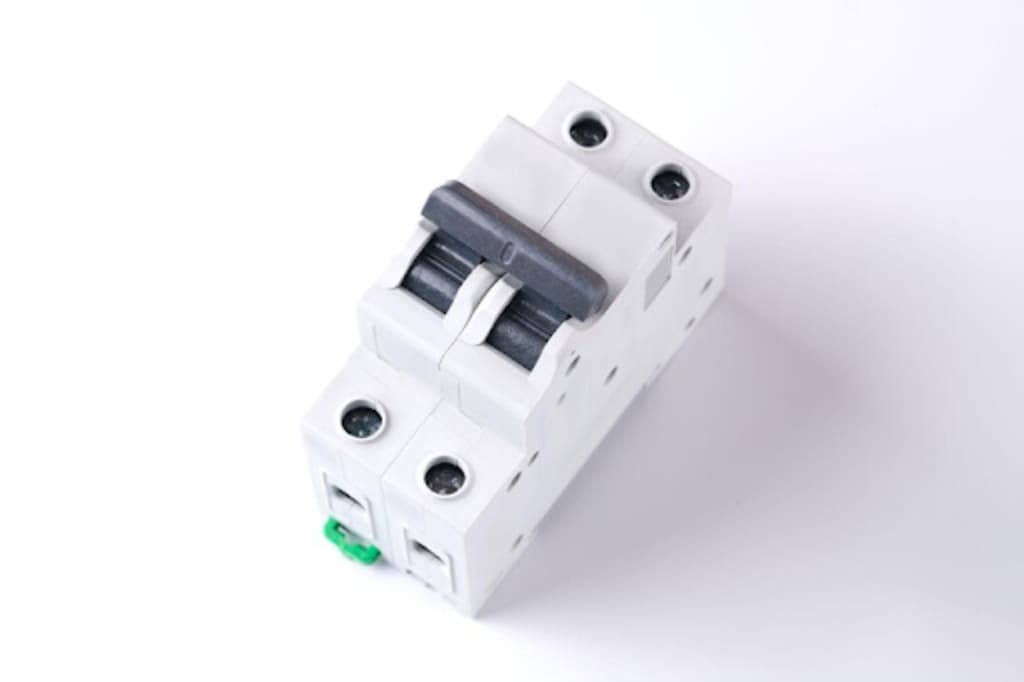
MCB or Miniature Circuit Breaker is widely used in low-voltage electrical networks, replacing the role of fuses. Although both serve the same function—protecting electrical circuits from excessive current—MCBs are more sensitive and safer than fuses.
But what exactly is an MCB? In this article, Hokione will explain in detail what an MCB is, its key components, and the differences between an MCB and a fuse in terms of electrical protection.
What Is an MCB and Why Is It Used?
An MCB is an electrical switch that automatically cuts off the power supply when a fault occurs in the electrical network, such as overload or other electrical issues. MCBs provide safer protection compared to fuses.
When an overcurrent or short circuit occurs, an MCB immediately stops the electricity flow, preventing further damage to electrical devices. Additionally, MCBs allow for faster power restoration.
Once the MCB trips, you only need to switch it back to the "ON" position, unlike fuses, which must be replaced once blown.
Read Also: What Is the Function of a Voltmeter? Here's Why You Should Have This Tool!
MCB Components
Beyond understanding what an MCB is, it is also essential to learn about its structure and components. According to Electronics For You, the key components of an MCB include:
1. Incoming and Outgoing Terminals
These terminals connect the incoming and outgoing electrical wires. Electricity enters through the incoming terminal, passes through internal MCB components, and exits via the outgoing terminal to distribute power to the circuit.
2. DIN Rail Holder
This part secures the MCB onto an electrical panel or DIN rail.
3. Arc Chutes
Arc chutes help extinguish arc flashes when the contacts open. These flashes can damage MCB components, making arc chutes essential for protection.
4. Fixed and Movable Contacts
These contacts allow electricity to flow. They automatically separate in case of electrical faults to break the circuit.
5. Bimetallic Strip and Carrier
A bimetallic strip reacts to excessive current by bending due to heat, triggering the circuit-breaking mechanism.
6. Solenoid
This component detects short circuits. If an extreme current surge occurs, the solenoid generates a magnetic field that pushes the contacts apart, cutting off power.
7. Housing
The housing protects internal MCB components from direct contact and ensures isolation between live components and other electrical parts.
8. Trip Unit
The trip unit is the core of the MCB, detecting overcurrent and triggering the disconnection. The trip spring holds the contacts in the "ON" position and releases them when an overload occurs.
MCBs vs. Fuses: Key Differences
Besides answering "what is an MCB?", this article also explains the differences between MCBs and fuses. While both protect circuits from excessive current, they function differently:
Fuses are single-use devices that melt when overcurrent occurs, breaking the circuit and stopping electricity flow. Once blown, a fuse must be replaced or reinstalled to restore power.
MCBs, on the other hand, are resettable. After tripping, you can switch them back on, making them more practical and cost-effective.
MCBs are more sensitive in detecting excessive current, responding faster to faults, and making them ideal for modern electrical systems.
Why MCBs Are Essential for Electrical Safety
So, what is an MCB? It is a crucial component in modern electrical systems, protecting circuits from overcurrent and potential damage. Understanding MCBs, their components, and their differences from fuses helps you choose the best electrical protection for a more efficient system.


Comments