
What is a Virtual Private Server?
Virtual Private Server Hosting offers the right balance of power and price. It suits users who need more control but don’t want to pay for a full server.

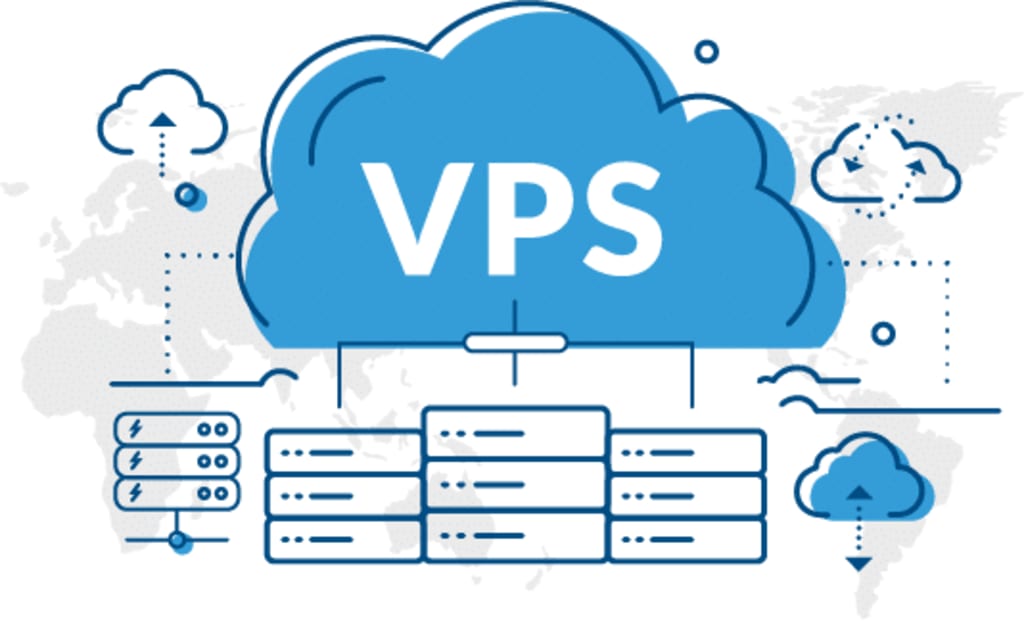
In today's digital world, websites need reliable and fast hosting. Many users look for control, speed, and security. A dedicated hosting server offers these features, but it can be expensive. As a result, many users turn to Virtual Private Servers (VPS). This article explains what a Virtual Private Server is and why it matters.
What is a Virtual Private Server?
A Virtual Private Server (VPS) is a hosting where it stays between shared hosting and dedicated hosting. With VPS, users get their own virtual space on a shared physical server.
Every VPS has a unique operating system. Additionally, it has dedicated CPU, memory, and storage resources. As a result, it performs better than shared hosting.
How Does VPS Work?
Virtualization is used in VPS hosting. This technology divides a single server into several computers. Each virtual machine runs as a separate server.
Because of this setup, users enjoy more freedom and control. They can install software, reboot the server, and manage settings. At the same time, they do not share resources with others directly.
Why Choose a Virtual Private Server?
VPS hosting has many benefits. Below are some key reasons why users choose VPS.
Better Performance
- Isolated Environment
Each VPS is independent. So, your site’s performance doesn’t suffer from other users’ activity.
- Dedicated Resources
You get a set amount of RAM, storage, and bandwidth. These resources do not get shared with others.
Full Control
- Root Access
VPS gives you root access. This means you can install apps and manage server settings freely.
- Custom Configuration
You can change server configurations. This helps meet your specific business needs.
Improved Security
- Enhanced Protection
VPS servers are more secure than shared hosting. Each server is isolated from the others.
- Custom Security Tools
You can install firewalls and other tools. These tools help protect your data and apps.
Scalability
Easy Resource Upgrade
As your website grows, you can add more resources. VPS is therefore perfect for expanding companies.
Flexible Hosting Plans
Most VPS providers offer scalable plans. You can switch plans based on your needs.
When Should You Use VPS Hosting?
Not everyone needs a VPS. However, here are some signs that VPS might be right for you:
Your Website Has High Traffic
Shared hosting might not be sufficient if your website is becoming sluggish. VPS can easily manage increased traffic.
You Run Multiple Websites
More resources are needed to run several sites. Every site can benefit from increased performance and uptime with a VPS.
You Need Custom Software
Some apps need special settings. Shared hosting may not allow such changes, but VPS does.
You Want More Security
Security is vital for online stores or websites with user data. VPS offers strong security features.
Things to Look for in VPS Hosting
Before choosing VPS, consider these points:
Reliability
Select a host with a solid track record of uptime. You should have virtually constant access to your website.
Support
Good support is crucial. Pick a host that offers 24/7 technical help.
Backup Options
Regular backups protect your data. Make sure your VPS provider offers easy backup tools.
Price
Look for a cheap virtual server that meets your needs. Don’t compromise quality for price, though.
VPS vs. Other Hosting Types
It’s helpful to compare VPS with other hosting types:
VPS vs. Shared Hosting
- Shared hosting is cheaper. But it offers fewer resources.
- VPS gives better speed and security.
VPS vs. Dedicated Hosting
- Dedicated hosting is more powerful. But it costs more.
- VPS offers many similar features for a lower price.
VPS vs. Cloud Hosting
- Cloud hosting uses many servers. It offers great uptime.
- VPS uses one physical server. It offers more control.
Pros and Cons of VPS Hosting
Let’s sum up the key advantages and disadvantages.
Pros
- Greater control and customization
- Better performance than shared hosting
- Enhanced security and privacy
- Scalable resources for growing needs
Cons
- Costs more than shared hosting
- Needs some technical skills
- Not as powerful as a dedicated server
To Sum Up
Virtual Private Server Hosting offers the right balance of power and price. It suits users who need more control but don’t want to pay for a full server. Whether you run a busy site or want better security, VPS is a smart choice.
In conclusion, if you want performance, flexibility, and value, virtual private server hosting is the way to go.
About the Creator
Estnoc
EstNOC offers hosting and datacentre services in Estonia, Sweden, Russia, Romania, Netherlands, Norway and Switzerland. Estnoc Hosting is closer to you to bring the hosting service you dreamt of. we
Industrial Air Pollution Control: Why Clean Air is the Future of Manufacturing
Introduction Clean air isn’t just a matter of comfort in industrial settings—it’s a necessity. As industries expand and manufacturing processes become more advanced, the byproducts of production are having a significant impact on the environment and the health of workers. Factories, plants, and warehouses emit pollutants ranging from toxic gases to fine particulate matter, creating a hazardous atmosphere both indoors and outdoors. This blog explores how air pollution control has evolved into a core pillar of sustainable industrial growth, how regulations are shaping corporate responsibility, and why businesses must prioritise cleaner air strategies to remain competitive, ethical, and future-ready.
By Hafsa Usmani6 days ago in Lifehack
EMR Billing Solutions: A Complete Guide for Modern Healthcare Practices
Healthcare providers today face mounting administrative pressures alongside rising operational costs. Accurate documentation, timely claim submission, and regulatory compliance are critical for financial stability. EMR billing solutions offer an integrated approach that connects clinical records with revenue cycle management, improving efficiency and reimbursement outcomes.
By Tracee Jones5 days ago in Lifehack


Comments
There are no comments for this story
Be the first to respond and start the conversation.