
What Design Trends Make Kitchen Centers More Functional?
Explore functional kitchen center trends, including smart storage, efficient layouts, multi-purpose designs, and technology integration.

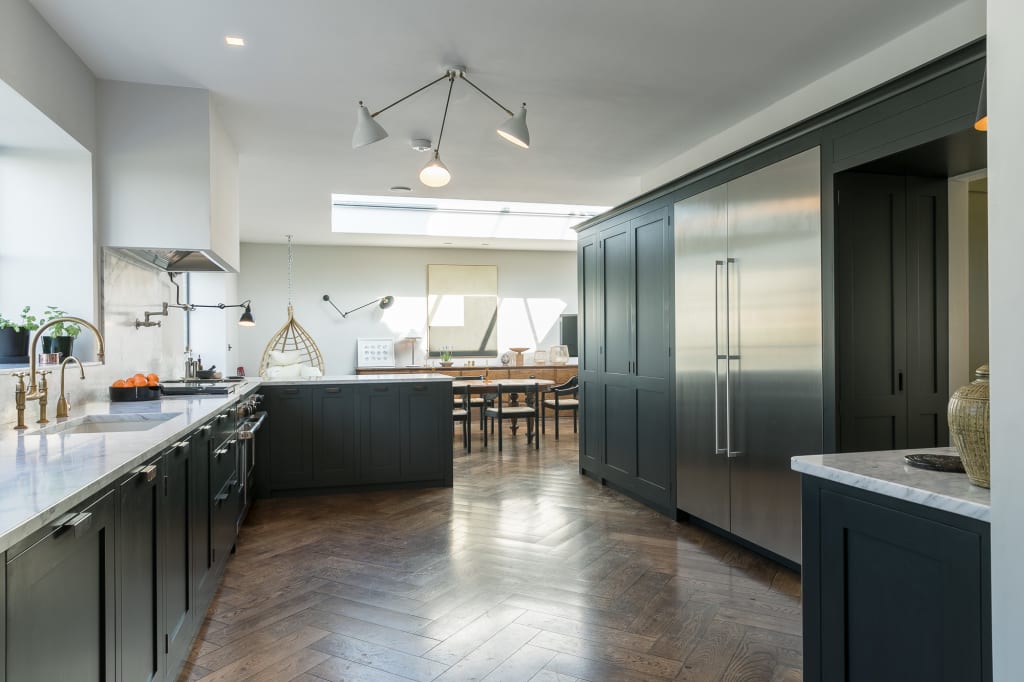
Kitchen centers have evolved into essential hubs of home activity, combining cooking, dining, and social interaction seamlessly. Custom kitchen islands have transformed how homeowners approach kitchen planning, offering multifunctional surfaces that blend storage, preparation, and casual seating. Design trends now emphasize balance between aesthetics and practicality, ensuring kitchens remain efficient without sacrificing style. Thoughtful layouts incorporate storage, workflow optimization, and durable materials, creating spaces that accommodate daily routines, family gatherings, and entertaining. Modern kitchens prioritize intuitive arrangements, allowing every tool, appliance, and ingredient to have a designated spot. Clever lighting solutions, material choices, and color schemes further enhance usability while maintaining visual appeal. With growing interest in ergonomic designs, homeowners are seeking kitchen centers that support ease of movement, comfort, and accessibility, making the space enjoyable and productive for everyone.
Maximizing Storage and Organization
Storage is the backbone of functional kitchens. Properly organized spaces reduce clutter, improve workflow, and simplify cooking tasks. Kitchen trends increasingly focus on hidden compartments, flexible shelving, and clever cabinetry layouts that maximize every inch of available space. Designers implement solutions that not only improve access but also create visual harmony. Storage integration extends to appliances and pantry items, allowing homeowners to streamline meal preparation without crowding countertops. Smart storage also accommodates lifestyle variations, from compact urban kitchens to larger family-centered layouts.
Bullet Points:
- Hidden Compartments and Pull-Out Drawers: Optimized spaces for utensils, appliances, and pantry essentials.
- Integrated Pantry Solutions: Built-in shelving and modular storage to keep ingredients accessible.
- Corner Optimization: Lazy Susans and angled drawers for hard-to-reach spaces.
- Customized Cabinetry: Adjustable shelves and specialized compartments for specific needs.
Streamlined Workflow and Kitchen Efficiency
Functional kitchen centers prioritize layouts that reduce unnecessary movement. A well-designed space considers the work triangle—sink, stove, and refrigerator—ensuring smooth transitions between prep, cooking, and cleaning zones. Workflow optimization also addresses ergonomic concerns, providing counter heights and appliance placement that reduce strain during cooking. Clear delineation of work areas, combined with multi-functional surfaces, allows multiple tasks to occur simultaneously without congestion. Layouts that account for traffic patterns, appliance accessibility, and storage proximity maximize efficiency while maintaining safety and comfort. Ergonomic planning, integrated appliances, and designated zones for specific tasks contribute to a kitchen that is both practical and inviting.
Bullet Points:
- Dedicated Prep and Cooking Zones: Clear separation of areas for cutting, cooking, and plating.
- Built-In Appliances: Microwaves, ovens, and refrigerators integrated into cabinetry for easy access.
- Ergonomic Counter Heights: Tailored surfaces for comfortable cooking and food prep.
- Multi-Functional Surfaces: Islands and countertops that double as dining, serving, and workspace.
Enhancing Aesthetics with Function
A functional kitchen does not need to compromise on style. Modern trends focus on material durability and visual appeal simultaneously. Quartz and marble countertops, hardwood cabinetry, and engineered surfaces offer long-lasting performance while contributing to the overall design aesthetic. Lighting plays a key role, with under-cabinet LEDs, pendant fixtures, and task lighting highlighting work zones and decorative features. Color palettes are chosen to harmonize with cabinets, floors, and walls, balancing warmth, brightness, and neutrality. Attention to detail, such as seamless hardware and integrated storage, ensures a visually cohesive space that remains practical for everyday use.
Incorporating Technology and Smart Features
Technology integration continues to shape kitchen functionality. Smart appliances, touchless faucets, Wi-Fi-enabled ovens, and built-in charging stations simplify daily tasks. Features like programmable ovens, temperature-controlled drawers, and motion-sensor lighting improve precision, reduce wasted energy, and increase convenience. Smart refrigerators and pantry sensors can alert homeowners to low supplies, while app-controlled coffee machines and slow cookers allow multitasking without oversight. Technological adoption not only enhances efficiency but also supports a connected environment, enabling streamlined cooking experiences and easier maintenance.
Flexible and Multi-Purpose Designs
Flexibility is central to modern kitchen design. Movable islands, adjustable countertops, and convertible seating accommodate changing needs, allowing spaces to function for cooking, dining, entertaining, and even remote work. Multi-purpose surfaces extend usability, ensuring the kitchen adapts to daily routines or special gatherings. Flexible layouts maintain openness and prevent overcrowding while supporting different household activities. By embracing adaptability, homeowners create spaces that meet diverse requirements without compromising efficiency or style.
Catering to Lifestyle Needs
Functional kitchens reflect household lifestyles. Child-friendly storage, low shelving, and rounded edges improve safety and accessibility for younger family members. Seniors benefit from accessible countertops, pull-out drawers, and ergonomic appliance placement. Open layouts encourage social interaction, providing gathering spaces for family meals or casual entertaining. Designing kitchens around lifestyle ensures that the space supports practical use, comfort, and inclusivity.
Sustainability and Eco-Friendly Solutions
Eco-conscious materials and energy-efficient appliances are becoming standard in kitchen design. Sustainable wood, recycled materials, and low-VOC finishes contribute to healthier indoor air and long-term durability. Energy-saving appliances reduce electricity usage, while water-efficient faucets lower consumption without compromising performance. Sustainable choices enhance both functionality and environmental responsibility, proving that practicality and eco-consciousness can coexist seamlessly.
Conclusion:
Functional kitchen centers combine storage, workflow, technology, and style to create efficient, comfortable, and visually appealing spaces. Design trends now focus on adaptability, ergonomics, and eco-friendly solutions, reflecting the diverse needs of homeowners. By integrating smart storage, multi-purpose surfaces, flexible layouts, and sustainable practices, kitchens can support everyday cooking, entertaining, and family interaction while remaining stylish and practical. Homeowners who prioritize both function and design can create spaces that not only meet current needs but also adapt for future demands.
FAQs
How does smart storage improve kitchen efficiency?
Properly planned storage reduces clutter, organizes utensils and ingredients, and allows easy access, enabling smoother workflows during cooking and cleaning.
What are the advantages of flexible kitchen designs?
Movable islands, adjustable countertops, and convertible seating adapt to different tasks, ensuring kitchens remain functional for meal prep, dining, and entertaining.
How can technology enhance kitchen functionality?
Smart appliances, motion-sensor faucets, and app-controlled devices improve precision, reduce manual effort, and create a connected, efficient cooking environment.
Why are sustainable materials important in kitchen design?
Eco-friendly materials and energy-efficient appliances support environmental responsibility, reduce utility costs, and contribute to a healthier and more durable kitchen space.
About the Creator
smithjohn
Hey, I’m Smit John, a blogger who loves sharing ideas on different topics. Writing is my thing, and I aim to keep my content informative, engaging, and worth your time. Stay tuned for more!
me, me, me
when i read back my poetry it screams “me, me, me” on my screen in bold letters and i can’t shut it up — most days, i cannot make any other words out; i want to throttle a thousand versions of the me gone by, i want to throw myself from a figurative balcony, i want to sink a sword into every pen i’ve held
By angela hepworth2 days ago in Poets



Comments
There are no comments for this story
Be the first to respond and start the conversation.