
What are the top ten intangible cultural heritage foods in China
Food is the most important thing for people. Chinese cuisine, like Chinese culture, has a history of thousands of years. Many of them are well-known at home and abroad and praised by the world. This issue introduces the top ten Chinese cuisines.
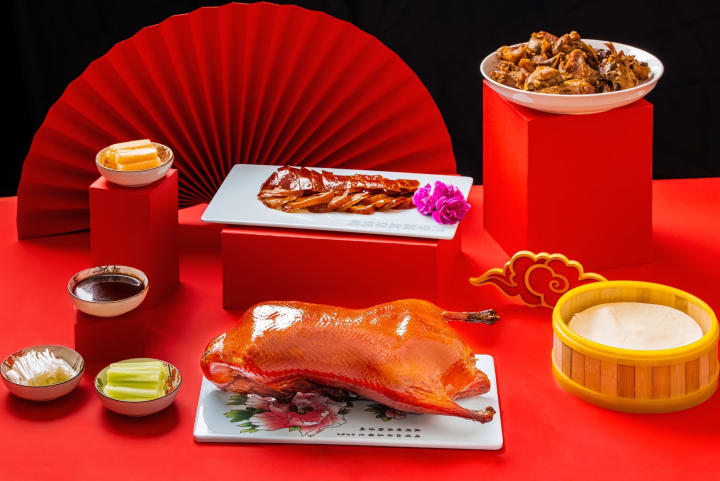
Beijing Roast Duck is one of the top ten Chinese cuisines with a world reputation and a famous Beijing dish with a long history. Beijing Roast Duck originated in the Southern and Northern Dynasties of China and was a court food at that time.
Shop the Beijing Roast Duck free shipping online
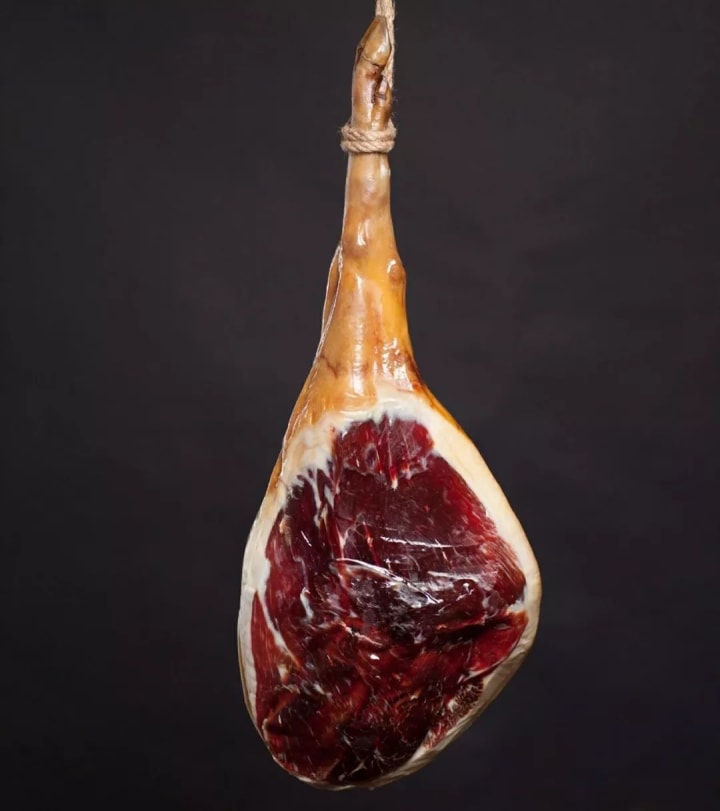
2. Xuanwei Ham
Xuanwei Ham is one of the famous local specialties in Yunnan. It is named after Xuanwei. The main reasons for the fame of Xuanwei Ham include its unique historical background, production process, taste and nutritional value, as well as the honors it has won at home and abroad.
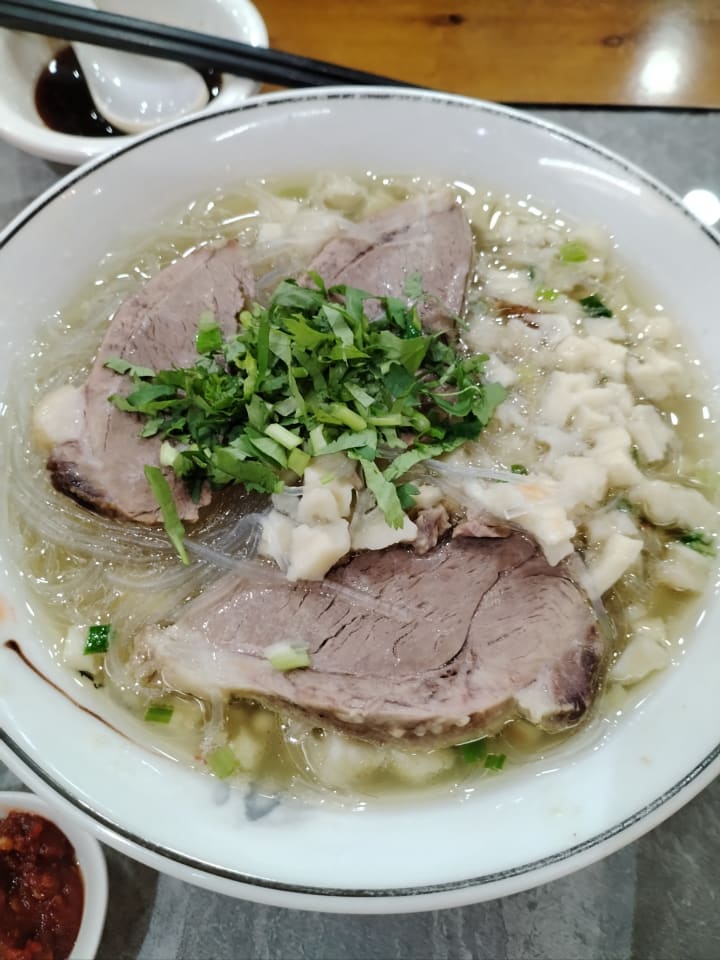
3. Mutton Soup with Steamed Bun
Mutton Soup with Steamed Bun, known as "Yan Geng" in ancient times, is a resounding food business card of Shaanxi and is rated as "the top ten cultural symbols of Shaanxi". Because beef and mutton soup with steamed bun warms the stomach and resists hunger, it has always been loved by people of all ethnic groups in Xi'an and the northwest region. Foreign guests also rush to taste it when they come to Shaanxi to satisfy their appetite.
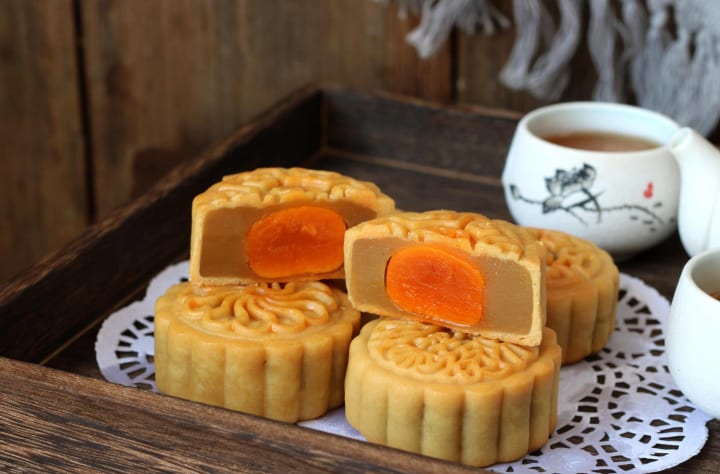
4. Cantonese mooncakes
Cantonese mooncakes, originally produced in Guangzhou, are now produced in Guangdong, Hong Kong, Jiangxi, Zhejiang, Shanghai and other places. Cantonese mooncakes are world-famous for their selection of ingredients and production techniques, and have become one of the national intangible cultural heritages.
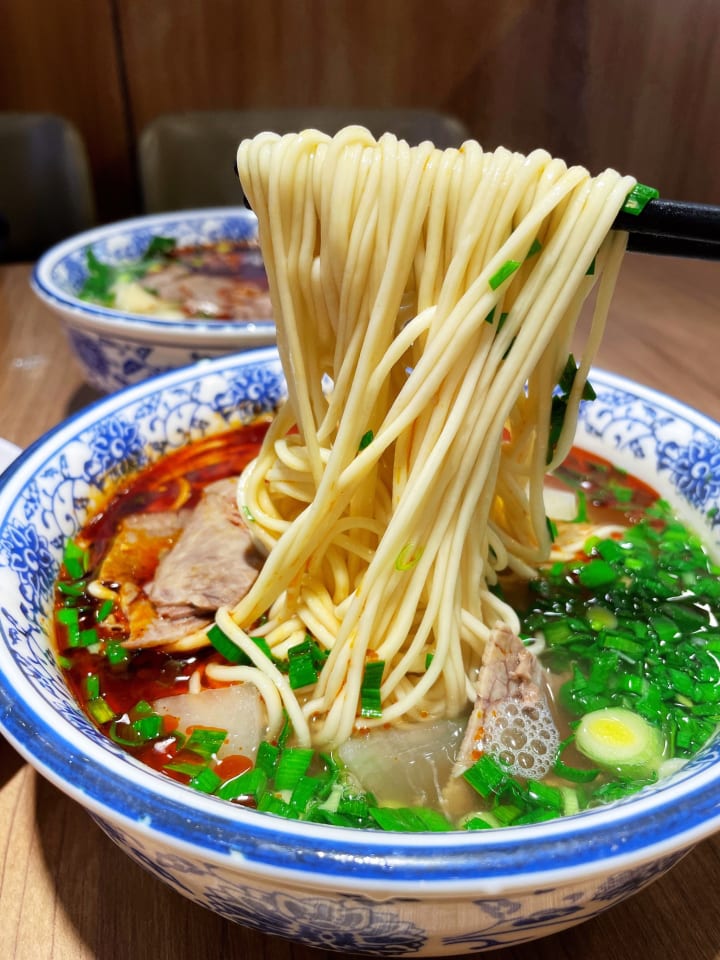
5. Lanzhou clear beef noodles
Lanzhou beef noodles, also known as Lanzhou clear beef noodles, are a popular delicacy in Lanzhou, Gansu Province. It has won praise from customers at home and even around the world for its unique flavor of "clear soup, fragrant meat, and fine noodles" and "one clear, two white, three red, four green, and five yellow", and is known as "China's No. 1 Noodle".
6. Nanxiang steamed buns
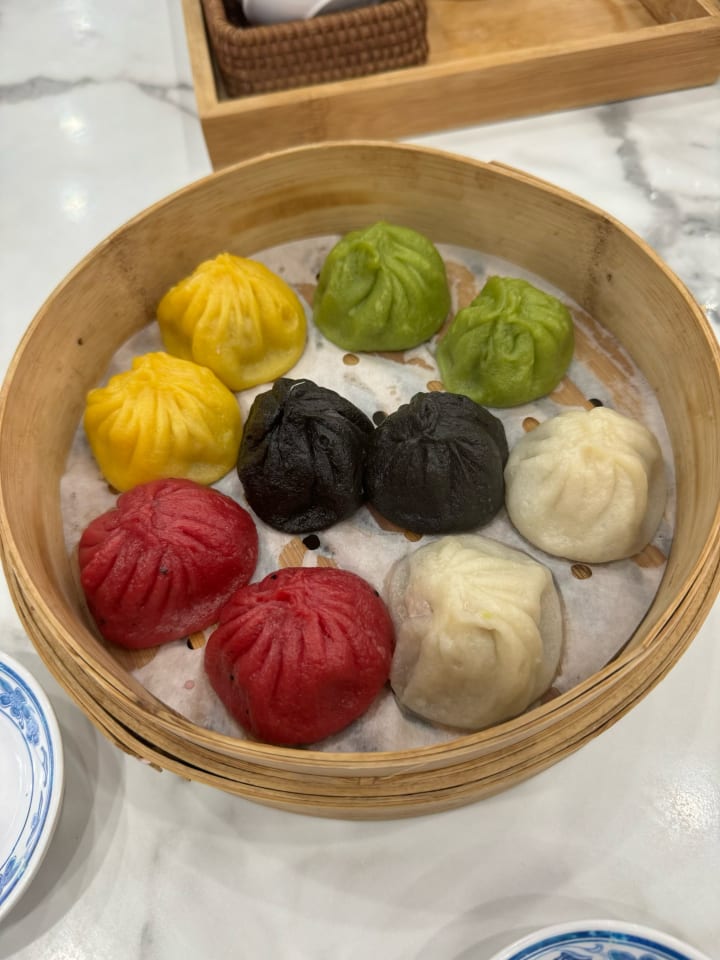
Nanxiang steamed buns, also known as Nanxiang steamed buns, are a traditional delicacy in Nanxiang Town, Jiading District, Shanghai, and are also one of the national intangible cultural heritage snacks. The main reasons why Nanxiang steamed buns are famous include its unique production process, historical background, and close connection with Guqi Garden.
7. Huogongdian Stinky Tofu
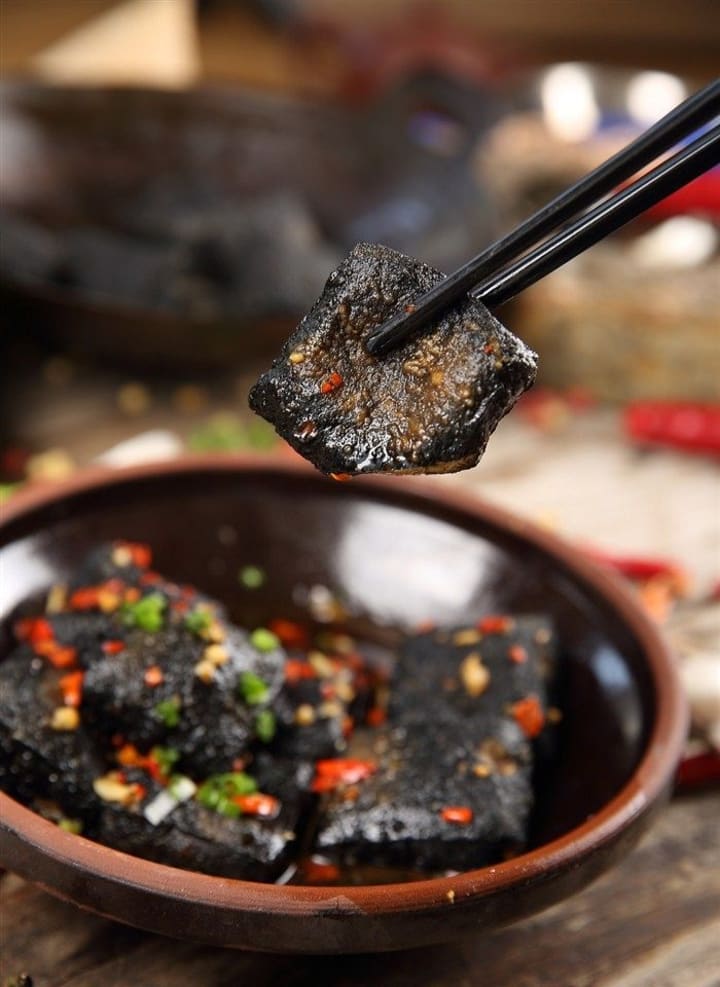
Stinky tofu is a traditional specialty of Changsha, Hunan, and one of the landmark delicacies of Hunan. It is black in color, crispy on the outside and tender on the inside, fresh and spicy. It smells stinky at first, but the aroma is tempting when you smell it carefully. Huogongdian Stinky Tofu has a long history. Chairman Mao often went to Huogongdian to taste stinky tofu when he was young and praised it highly.
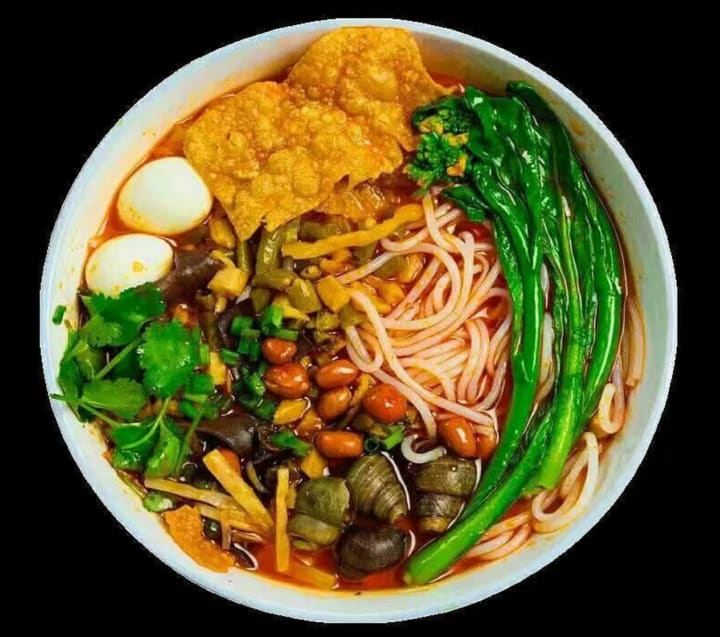
Liuzhou Snail Rice Noodles is a national intangible cultural heritage snack and a unique snack in Liuzhou City, Guangxi Zhuang Autonomous Region. The main reasons why Liuzhou Snail Rice Noodles are famous include its unique flavor, profound historical and cultural background, and modern production and promotion methods.
Shop the Liuzhou Snail Rice Noodles free shipping online
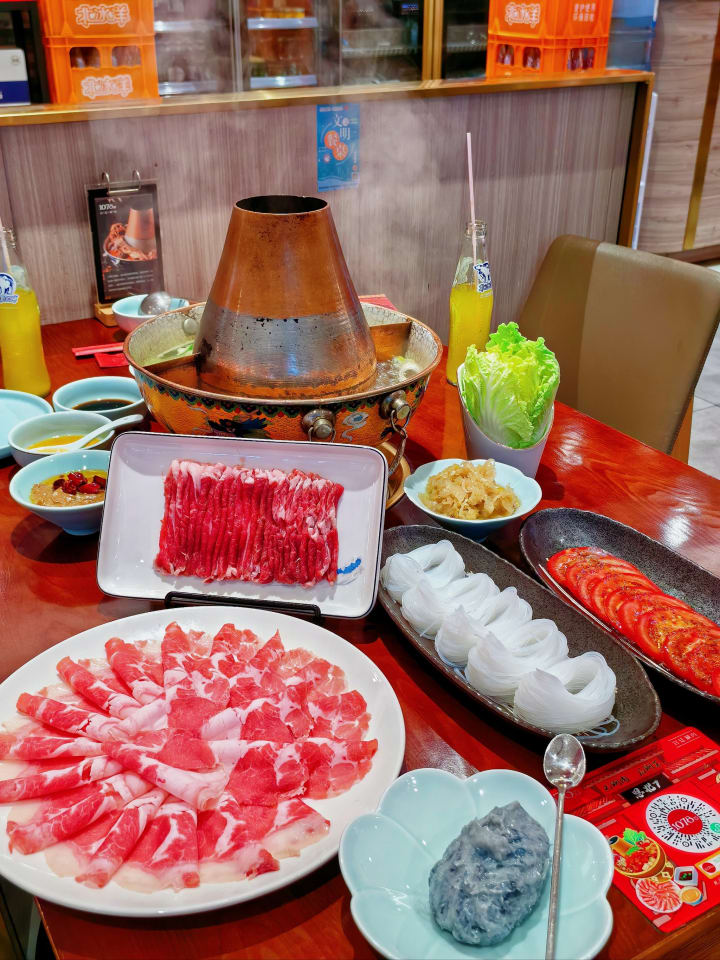
9. Beijing Shabu-shabu
The main reasons why Beijing Shabu-shabu is famous include its unique historical background, cultural heritage, and the promotion of Emperor Qianlong. The history of Beijing Shabu-shabu can be traced back to the Yuan Dynasty. Legend has it that it was invented by Genghis Khan or Kublai Khan during the march, and later became widely popular in the Qing Dynasty court.
10. Luoyang Water Banquet
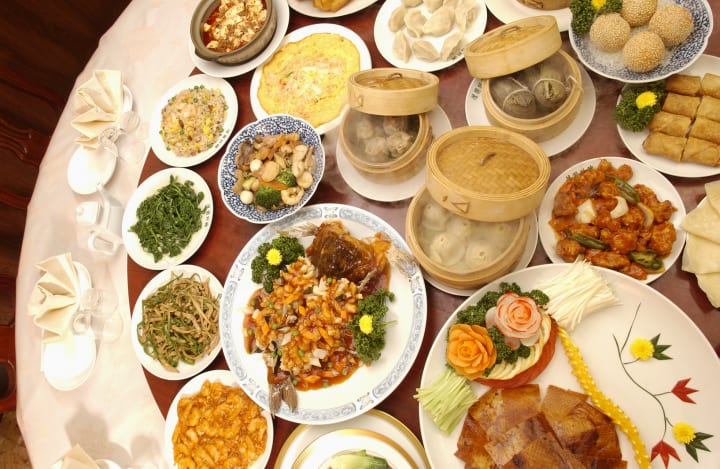
The reason why Luoyang Water Banquet is famous is mainly because of its long history, rich variety of dishes and unique production process. Luoyang Water Banquet started in the Tang Dynasty and has a history of more than 1,000 years. It is one of the oldest famous banquets preserved in China.
About the Creator
Keep reading
More stories from writers in Lifehack and other communities.
How Programmatic Advertising Enhances Precision in Digital Ad Targeting
Digital advertising has experienced a quick transformation in the last 10 years and has transformed into a far less general, more manual, and more data-driven approach to target the right audience at the right time. With the competition for consumer attention increasing, companies are exploring smarter alternatives to provide consumers with relevant messages without spending the budget. It is here that automation and data are central to the current advertising approaches.
By Jane Smithhabout 18 hours ago in Lifehack
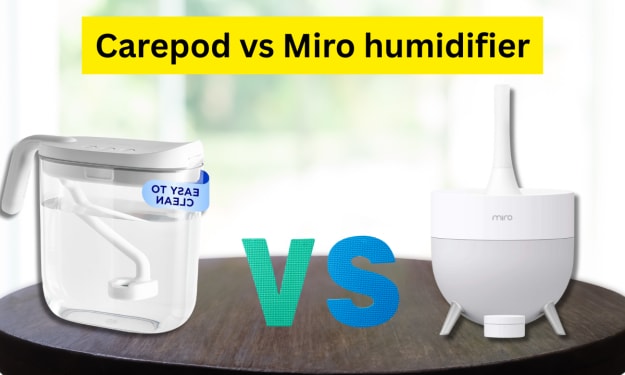
Carepod vs Miro Humidifier: Which Easy-to-Clean Humidifier Is Right for
Dry air can be a real pain, so when people ask about Carepod vs Miro humidifier, I get why the choice matters. I notice how things like cold U.S. winters, indoor heating, and easy cleaning shape what actually works at home, and I like focusing on the details that affect day-to-day comfort. Here’s what stands out, where each falls short, and which one may fit your space better—stick with me and you’ll know which way to go.
By Mohammed mamun4 days ago in Lifehack



Comments
There are no comments for this story
Be the first to respond and start the conversation.