
Water Balancing: The Key to Efficient HVAC Performance
Water balancing is crucial for optimal HVAC performance, ensuring consistent flow and heat distribution. Proper balancing enhances system efficiency, reduces energy consumption, and extends equipment lifespan.

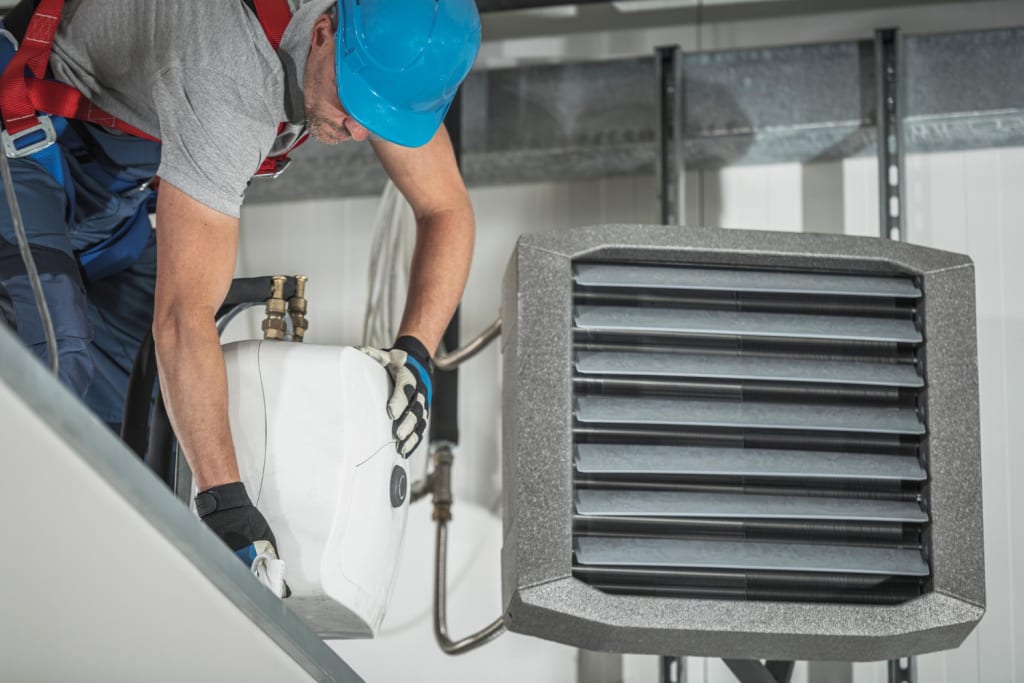
A well-functioning HVAC system is critical to maintaining comfort, especially in large commercial buildings. One of the most important yet often overlooked aspects of your HVAC system is water balancing. It’s essential for ensuring your system runs efficiently, saves energy, and keeps your building at the right temperature. But what exactly is water balancing, and why is it so important? Let’s take a closer look.
What Is Water Balancing?
Water balancing is the process of adjusting and regulating the flow of water in your HVAC system to ensure that the right amount is distributed evenly across all areas of the building. Essentially, it’s about fine-tuning how water flows through the system so that every part of the building receives the proper amount of cooling or heating. Proper water balancing helps prevent some areas from becoming too hot or too cold while ensuring that your system runs smoothly and efficiently.
Why Is Water Balancing So Important?
Water balancing plays a crucial role in the overall performance of your HVAC system. Here’s why:
- Energy Efficiency: When water is properly balanced, the system doesn't overwork itself to reach the desired temperature. This reduces energy consumption, which can lead to significant savings on your utility bills.
- Even Temperature Distribution: One of the main goals of water balancing is to ensure that every room or area of the building is kept at a consistent, comfortable temperature. Without proper balancing, you might experience hot and cold spots in different parts of the building, leading to discomfort for occupants.
- Prolongs Equipment Life: An unbalanced system can cause components like pumps, valves, and other critical parts to wear out faster due to the extra strain placed on them. By balancing the water flow, the system operates more smoothly and efficiently, which helps extend the life of your equipment.
- Reduces Maintenance and Repair Costs: When your HVAC system is balanced, it reduces the risk of overworking its components, which in turn minimises the likelihood of breakdowns. A well-maintained system doesn’t need frequent repairs, saving you both time and money in the long run.
Common Problems Caused by an Unbalanced System
When a water system is unbalanced, it can lead to several issues that affect both comfort and efficiency:
- Inconsistent Cooling or Heating: Some areas of your building might be too cold, while others remain too warm. This creates discomfort for occupants and can lead to complaints and dissatisfaction.
- Higher Energy Bills: An unbalanced system often requires more energy to maintain the desired indoor temperature. Pumps may have to work harder to circulate water, and HVAC components may need to run longer, which adds to overall energy consumption.
- Frequent Breakdowns: If the water flow is not balanced, it puts unnecessary strain on the equipment—especially pumps, valves, and chillers—which can lead to breakdowns and costly repairs. Over time, this can result in more frequent service calls and higher maintenance costs.
Key Components of an HVAC Water System
Understanding the main components of your HVAC system is essential to grasp how water balancing works. Here are the key components involved:
- Pumps: These circulate the water throughout the system. Pumps ensure that the water reaches the various areas of the building that need cooling or heating. When the water flow is unbalanced, pumps may need to work harder, leading to more energy consumption and wear on the system.
- Valves: Valves control the amount of water flowing through each section of the building. These can be manually adjusted or equipped with automatic controls to help maintain proper flow throughout the system.
- Cooling or Heating Coils: Located in air handlers, these coils absorb heat from the air (in cooling mode) or release heat into the air (in heating mode), depending on the needs of the building. Proper water flow to these coils is essential to ensure they perform optimally.
- Control Systems: Modern HVAC systems often have control systems that monitor the water flow, temperature, and pressure throughout the system. These systems can automatically adjust the valves or pumps to optimise performance, but they still rely on proper water balancing to function efficiently.
Methods of Achieving Water Balancing
There are several techniques used to balance water flow in an HVAC system. Here’s an overview of the most common methods:
- Manual Balancing: This method involves manually adjusting the control valves to regulate the water flow. While it can be effective, it requires ongoing monitoring and adjustments to keep the system balanced. It’s more labour-intensive but can be useful in simpler systems.
- Automatic Balancing Valves: These valves automatically adjust the flow of water based on demand. They are self-regulating and can help reduce the need for manual adjustments. They are ideal for systems where constant changes in demand (like varying occupancy or time of day) affect water flow.
- Differential Pressure Control: This method uses pressure sensors to monitor the difference in pressure between the supply and return lines of the system. By maintaining a consistent pressure differential, the system can ensure that the right amount of water flows through each part of the system, ensuring even distribution.
- Flow Measurement and Adjustments: Flow meters are used to measure the rate of water flow at different points in the system. Technicians use this data to fine-tune the flow and ensure optimal performance. This method provides a more precise and data-driven approach to balancing.
- Variable Speed Pump Control: In more advanced systems, variable speed pumps adjust their speed based on the demand for cooling or heating in the building. This helps to optimise water flow and energy use, making the system more efficient.
Steps to Achieve Proper Water Balancing
To achieve a balanced water flow in your HVAC system, here are the general steps involved:
- Initial System Assessment: Begin by evaluating the system’s performance. Identify any areas where the flow seems off or where there are temperature imbalances.
- Measure Flow Rates and Pressure: Technicians will use flow meters and pressure gauges to gather data on how the system is performing and pinpoint areas that need adjustment.
- Adjust Control Valves: Based on the measurements, the control valves are adjusted to ensure the right amount of water flows to each area.
- Test and Fine-Tune: After adjustments are made, the system is tested again to ensure that it’s working optimally. Additional tweaks may be necessary to get everything perfectly balanced.
Benefits of Proper Water Balancing
When your HVAC system is properly balanced, it offers several important benefits:
- Lower Energy Costs: A balanced system runs more efficiently, using less energy to maintain the desired temperature. This translates into reduced energy bills.
- Consistent Comfort: Every room stays at the right temperature, which improves comfort for occupants and prevents complaints about hot or cold spots.
- Reduced Wear and Tear: A balanced system places less strain on the equipment, which helps extend its lifespan and reduces the need for expensive repairs and replacements.
When to Call a Professional for Water Balancing?
If you’re experiencing issues like uneven temperatures, rising energy costs, or frequent system breakdowns, it might be time to consider water balancing services. A professional HVAC technician can assess your system, identify any imbalances, and make the necessary adjustments to ensure your system runs smoothly and efficiently.
Tools Professionals Use
To properly balance a water system, HVAC professionals typically use the following tools:
- Flow Meters: Measure the rate of water flow throughout the system.
- Pressure Gauges: Check the pressure levels to ensure they are within the desired range.
- Differential Pressure Sensors: Monitor the pressure difference between supply and return lines.
- Data Loggers: Record data over time to help analyse performance and identify issues.
Conclusion
Water balancing is an essential part of maintaining an efficient HVAC system. Whether you're managing a large commercial building or a complex HVAC setup, ensuring that water flows evenly and efficiently can save you money on energy bills, improve occupant comfort, and extend the life of your equipment. If you’re noticing any inconsistencies in your HVAC system, don't hesitate to consult a professional to get your system properly balanced. It's an investment that pays off in both the short and long term.
About the Creator
John Jenner
John Jenner is an expert in digital marketing who has worked for several Sydney-based agencies. He's passionate about social media, content and SEO strategies that he delivers well researched actionable resources to help you succeed!
Keep reading
More stories from John Jenner and writers in Lifehack and other communities.
Tips for Finding Disability Housing: A Practical Guide
Finding the right disability housing is crucial for improving your quality of life. Whether you're looking for NDIS disability accommodation or need guidance from disability accommodation service providers, navigating the housing market with specific needs can be challenging. However, with the right approach, you can secure a home that meets your accessibility requirements while ensuring comfort and safety.
By John Jenner12 months ago in Lifehack
Absolutely 100% Free Stuff With No Shipping Costs
In a world where everything seems to come with a price tag—including “free” offers that sneak in unexpected shipping fees—it can feel impossible to get truly free items. But with the right strategies, resources, and platforms, it is completely possible to score legitimate, 100% free stuff with no shipping costs or hidden charges. Whether you're looking to save money, reduce waste, or simply love the thrill of discovering freebies, this guide will walk you through the best ways to find authentic no-cost items online and in your local community.
By Master Binz7 days ago in Lifehack




Comments
There are no comments for this story
Be the first to respond and start the conversation.