
Understanding VLANs: How Ethernet Switches Can Help Secure Your Network
Learn how Virtual Local Area Networks (VLANs) and Ethernet switches can increase network security and performance. Discover best practices for implementation
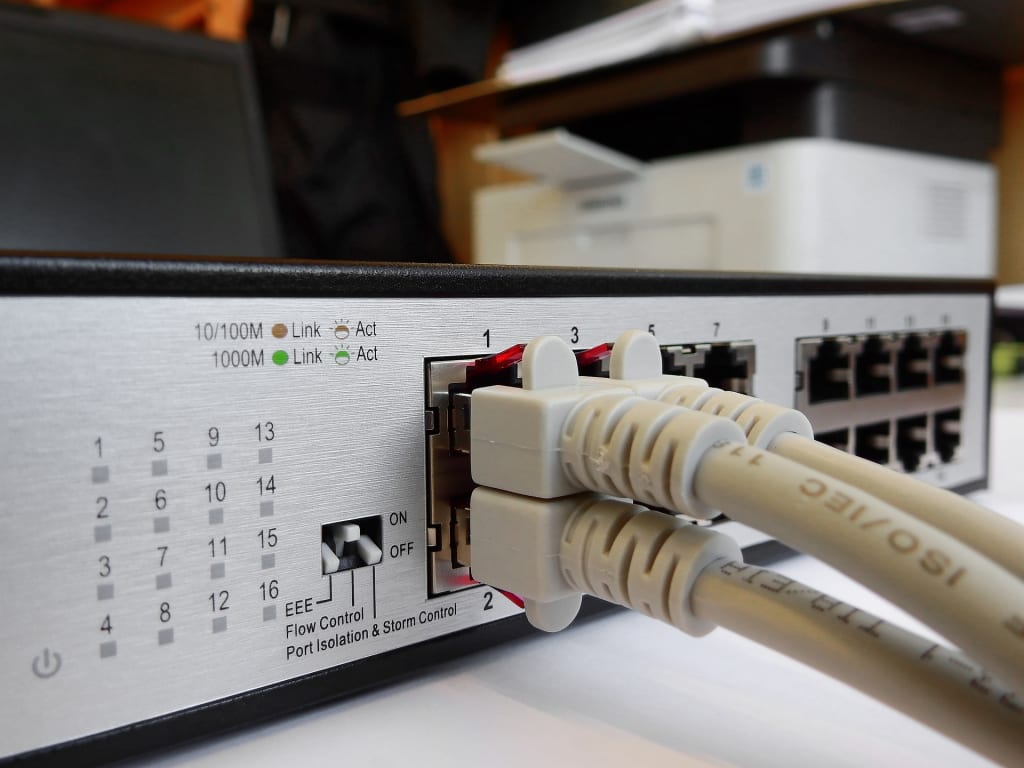
When it comes to network security, having the best Ethernet switch is essential. Ethernet switches are the backbone of any network, connecting devices and allowing them to communicate with one another. However, with the increasing number of devices on a network, it's becoming more difficult to ensure that each device is secure. One way to address this challenge is through the use of Virtual Local Area Networks (VLANs). In this blog post, we'll explore VLANs and how Ethernet switches can help secure your network.
What are VLANs?
A VLAN is a logical grouping of devices on a network. Rather than grouping devices based on their physical location, VLANs allow you to group devices based on their function or purpose. For example, you might create a VLAN for all the devices in the accounting department, and another VLAN for all the devices in the marketing department. Each VLAN operates as its own independent network, even though the devices may physically be connected to the same Ethernet switch.
How do VLANs work?
VLANs work by assigning each device on the network a VLAN tag. This tag is used to identify which VLAN the device belongs to. When a device sends data to another device on the same VLAN, the Ethernet switch forwards the data only to devices on that VLAN. If a device sends data to a device on a different VLAN, the Ethernet switch will forward the data to the router, which then determines where to send the data.
What are the benefits of VLANs?
One of the main benefits of VLANs is increased network security. By grouping devices into VLANs based on their function or purpose, you can create a more secure network environment. For example, you might create a VLAN for all the devices that handle sensitive data, such as financial records or customer information. By isolating these devices on their own VLAN, you can better control access to them and reduce the risk of unauthorized access.
Another benefit of VLANs is increased network performance. By separating devices into different VLANs, you can reduce the amount of network traffic each device needs to handle. This can result in faster network speeds and improved overall performance.
How do Ethernet switches support VLANs?
Ethernet switches are an essential component of VLANs. In order to create VLANs, Ethernet switches must support a protocol called IEEE 802.1Q. This protocol allows Ethernet switches to assign VLAN tags to devices on the network and ensure that data is forwarded only to devices on the same VLAN.
Ethernet switches also provide a number of other features that can be used to enhance network security. For example, some switches support port security, which allows you to restrict access to specific ports on the switch. This can be useful if you want to prevent unauthorized devices from connecting to the network.
What are the different types of VLANs?
There are several types of VLANs that you can create, depending on your network needs. Some of the most common types of VLANs include:
- Port-based VLANs: Devices are grouped into VLANs based on the port they are connected to on the Ethernet switch.
- Protocol-based VLANs: Devices are grouped into VLANs based on the protocol they are using (e.g., TCP/IP, IPX).
- MAC-based VLANs: Devices are grouped into VLANs based on their MAC addresses.
Each of these types of VLANs has its own advantages and disadvantages, and you may want to use a combination of these VLAN types to create the ideal network for your needs.
What are some best practices for using VLANs?
When implementing VLANs, there are a number of best practices you should follow to ensure that your network is as secure as possible. Some of these best practices include:
- Limiting the number of devices on each VLAN: By keeping the number of devices on
Conclusion
In conclusion, Virtual Local Area Networks (VLANs) are a powerful tool for increasing network security and improving network performance. By grouping devices based on their function or purpose, VLANs allow you to create a more secure network environment and reduce the risk of unauthorized access to sensitive data. Ethernet switches are an essential component of VLANs, and they provide a number of features that can be used to enhance network security, such as port security.
About the Creator
Why More Parents Are Choosing Organic Baby Clothes (and What It Means for the Future of Childhood)
Parenthood has a way of changing how we see the world — especially the small, everyday choices that quietly shape our children’s lives. From the food they eat to the toys they play with and the clothes that touch their skin, many parents today are looking beyond convenience and price tags and asking a deeper question: What’s actually best for my child in the long run?
By Car Detail Calgarya day ago in Lifehack



Comments
There are no comments for this story
Be the first to respond and start the conversation.