
Understanding LED Screen Resolution: How Clarity Shapes Visual Experiences
A deeper look into how pixel configurations affect image quality in modern LED displays.

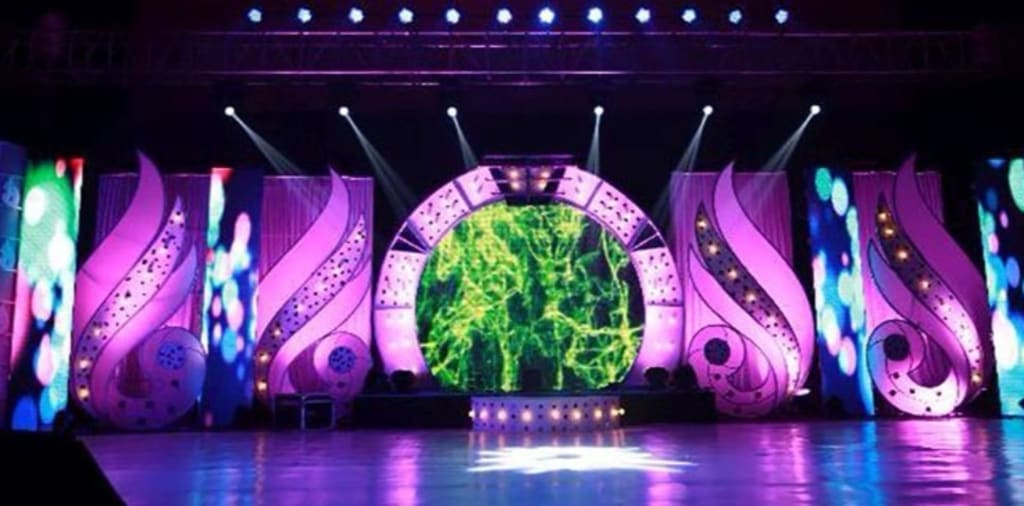
In the world of digital displays, clarity is everything. Whether it’s a massive outdoor billboard or an indoor event screen, the crispness of the visual content determines how effective the message will be. One term that consistently appears when discussing visual clarity is LED screen resolution. While many people associate resolution with televisions or smartphones, the concept is equally important—and sometimes more complex—when working with large-format LED screens.
LED screens are made up of thousands of individual pixels, each created by tiny light-emitting diodes. Unlike flat-panel LCD screens, which use a single unified display surface, LED screens are built from modular panels. The resolution of these screens influences not only image sharpness but also viewing distance, cost, and display size.
What Does LED Screen Resolution Mean?
At its core, LED screen resolution refers to the total number of pixels—tiny points of light—that form the image on a display. Each pixel typically contains three primary colors: red, green, and blue (RGB). When these three colors mix at varying intensities, they create the full spectrum of colors seen on the screen.
Unlike traditional screens, LED displays do not have a universal resolution. Instead, the resolution depends on the number of pixels built into the display. Two key factors determine resolution:
- Pixel density – how many pixels exist within a defined area.
- Pixel pitch – the distance between the center of one pixel and another.
The smaller the pixel pitch, the more pixels fit into the same area—and the higher the resolution.
Why Pixel Pitch Matters More Than Traditional Resolution
Most people are used to hearing resolutions expressed as 1080p or 4K. However, LED displays are different. They aren’t limited by a specific frame or fixed dimension. Instead, designers can build them in different shapes and sizes.
Because of this flexibility, pixel pitch becomes the defining factor for visual clarity on LED panels. A smaller pixel pitch offers:
- Higher-definition content
- Smoother and sharper images
Better visibility at a closer viewing distance
For example:
- A pixel pitch of P2.5 means viewers can stand closer without seeing individual pixels.
- A pixel pitch of P10 works well for large-scale outdoor billboards, where viewers are far away.
Thus, an LED display with a lower pixel pitch generally has better LED screen resolution.
How Resolution Affects Viewing Distance
Different installations require different resolutions. A digital billboard on a highway does not require the same pixel density as a screen in a conference hall.
As a rule of thumb:
The closer the audience stands to the screen, the higher the resolution required.
The farther the viewing distance, the larger the pixel pitch can be.
This is why indoor retail or corporate displays often use fine-pitch LEDs, while outdoor advertising screens use larger pitches.
Beyond Resolution: The Role of Quality Manufacturing
A high-resolution LED screen can only perform well if the core components are reliable. Pixel uniformity, color stability, brightness control, and heat management all depend on the quality of LED packaging and manufacturing.
This is where an Optoelectronic Semiconduct Manufacturer becomes essential. The precision required in LED production influences:
- Color consistency across panels
- Long-term brightness stability
- Energy efficiency and lifespan
Even the best resolution specifications will not matter if the LED chips degrade quickly or show uneven brightness.
Why LED Screen Resolution Matters in Today’s Digital Era
The rise of digital signage, immersive retail experiences, real-time event broadcasting, and modern architectural displays has pushed the limits of LED performance. Higher resolutions allow for:
- More engaging storytelling on digital signage
- Clearer visuals in corporate presentations
- More immersive video backdrops for concerts and media productions
LED screens have become a powerful medium of communication. With each technological improvement—including better pixel pitch options—LED screen resolution continues to redefine how brands display content to the world.
Final Thoughts
Understanding LED screen resolution empowers businesses and designers to choose the right display for their environment. Whether the goal is wide-scale public visibility or close-range visual detail, resolution plays a defining role in audience engagement.
As technology continues advancing, manufacturers—including every innovative Optoelectronic Semiconduct Manufacturer—push LED displays closer to cinematic clarity and deeper visual immersion.
About the Creator
Keep reading
More stories from charliesamuel and writers in Lifehack and other communities.
Exploring SMD LED Technology in Modern Visual Innovation
In today's visually driven world, displays and lighting systems have evolved far beyond traditional bulbs or basic screens. One of the driving forces behind that transformation is the SMD LED, also known as Surface Mounted Device light‑emitting diode. This compact, efficient component has reshaped the way industries design digital displays, signage, and even consumer electronics. As part of the broader evolution in electronics and display engineering, SMD LEDs highlight just how far optoelectronic technology has come.
By charliesamuel4 months ago in Lifehack




Comments
There are no comments for this story
Be the first to respond and start the conversation.