
Understanding Credit Scores: Tips to Improve Yours
Improving your credit score with proven methods
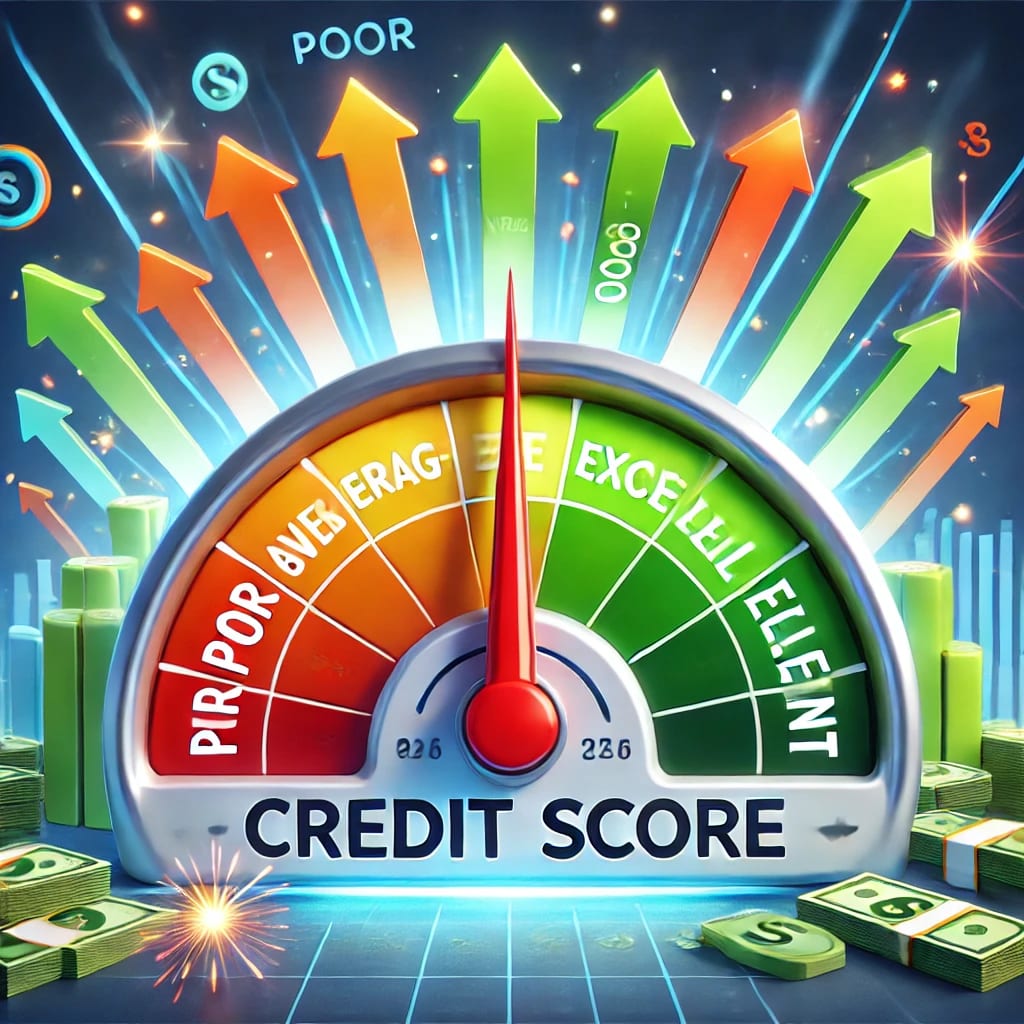
In today’s financial landscape, your credit score plays a pivotal role in determining your access to loans, credit cards, and even housing. A strong credit score can open doors to favorable interest rates and financial opportunities, while a poor score can limit your options. This comprehensive guide will help you understand credit scores and provide actionable tips to improve yours.
What is a Credit Score?
A credit score is a numerical representation of your creditworthiness, reflecting how likely you are to repay borrowed money. In the United States, credit scores typically range from 300 to 850, with higher scores indicating better creditworthiness. The most commonly used scoring models are FICO® Score and VantageScore.
Factors Influencing Your Credit Score
Understanding the components that affect your credit score is crucial for effective management. The primary factors include:
1. Payment History (35%): Your record of on-time payments is the most significant factor. Late or missed payments can significantly lower your score.
2. Amounts Owed (30%): This refers to your credit utilization ratio—the percentage of your available credit that you’re using. Keeping this ratio low is beneficial.
3. Length of Credit History (15%): A longer credit history provides more data on your financial behavior, which can positively impact your score.
4. Credit Mix (10%): Having a variety of credit types, such as credit cards, mortgages, and installment loans, can be advantageous.
5. New Credit (10%): Opening multiple new credit accounts in a short period can be seen as risky behavior and may lower your score.
Tips to Improve Your Credit Score
Improving your credit score requires consistent effort and responsible financial habits. Here are actionable steps to help boost your score:
1. Pay Bills on Time
Consistently making payments by their due dates is crucial. Setting up automatic payments or reminders can help ensure you don’t miss any payments.
2. Reduce Outstanding Debt
Focus on paying down existing balances, especially on credit cards. This not only lowers your credit utilization ratio but also reduces the amount of interest you pay over time.
3. Avoid Opening Multiple New Accounts Simultaneously
Each new credit application can result in a hard inquiry on your credit report, which may temporarily lower your score. Be selective and strategic about applying for new credit.
4. Keep Old Accounts Open
Even if you no longer use certain credit cards, keeping them open can contribute positively to your length of credit history and available credit, both of which can improve your credit utilization ratio.
5. Regularly Review Your Credit Reports
Obtain free copies of your credit reports from the three major credit bureaus—Experian, Equifax, and TransUnion—through AnnualCreditReport.com. Review them for errors or inaccuracies and dispute any discrepancies you find.
6. Diversify Your Credit Mix
If you only have one type of credit account, consider diversifying. For example, if you only have credit cards, adding an installment loan (like a car loan or personal loan) can positively impact your credit mix.
7. Limit Hard Inquiries
While it’s important to shop around for the best rates, be mindful that each application for credit can result in a hard inquiry. Too many hard inquiries in a short period can negatively affect your score.
8. Use Credit Monitoring Services
Enrolling in credit monitoring can alert you to changes in your credit report, helping you detect potential fraud or errors promptly.
Common Credit Score Myths Debunked
There are several misconceptions about credit scores that can lead to confusion. Let’s clarify some common myths:
• Myth 1: Checking Your Own Credit Lowers Your Score
Fact: Checking your own credit report is considered a soft inquiry and does not affect your credit score.
• Myth 2: Closing Old Accounts Will Improve Your Score
Fact: Closing old accounts can shorten your credit history and reduce your available credit, potentially lowering your score.
• Myth 3: Carrying a Small Balance on Credit Cards Boosts Your Score
Fact: Paying off your credit card balances in full each month is more beneficial than carrying a balance.
The Impact of a Good Credit Score
Maintaining a good credit score offers numerous benefits:
• Lower Interest Rates: Lenders are more likely to offer favorable interest rates to individuals with higher credit scores, saving you money over time.
• Better Loan Approval Odds: A strong credit score increases your chances of being approved for loans and credit cards.
• Higher Credit Limits: Lenders may offer higher credit limits to those with good credit, providing more financial flexibility.
• Favorable Insurance Premiums: Some insurance companies use credit scores to determine premiums, so a higher score could result in lower rates.
Conclusion
Understanding and improving your credit score is a vital aspect of financial health. By implementing responsible financial habits—such as paying bills on time, reducing debt, and regularly monitoring your credit reports—you can enhance your creditworthiness and unlock better financial opportunities. Remember, improving your credit score is a marathon, not a sprint. Consistency and diligence are key to achieving and maintaining a strong credit profile.
About the Creator
Keep reading
More stories from Jordan Henner and writers in Lifehack and other communities.
Debt Snowball vs. Debt Avalanche: Which Method Is Right for You?
Managing debt can be a daunting task, but choosing the right repayment strategy can make a significant difference in your financial journey. Two popular methods for tackling debt are the Debt Snowball and the Debt Avalanche. Each has its unique approach and benefits. Understanding these methods can help you decide which is best suited to your financial situation and goals.
By Jordan Hennerabout a year ago in Lifehack
Top 10 Side Effects of Chia Seeds You Should Know
Chia seeds have gained huge popularity in recent years as a superfood. From smoothies and puddings to salads and oatmeal, these tiny seeds are often praised for their high fiber, omega-3 fatty acids, and protein content. Many people include them in their daily diet to support weight loss, digestion, and overall health.
By Veronica Bennettabout 7 hours ago in Lifehack


Comments
There are no comments for this story
Be the first to respond and start the conversation.