
Understanding Antioxidants and Phytochemicals: How to Incorporate Them into Your Diet
Unlocking the Power of Plant-Based Nutrients for Optimal Health and Wellness"

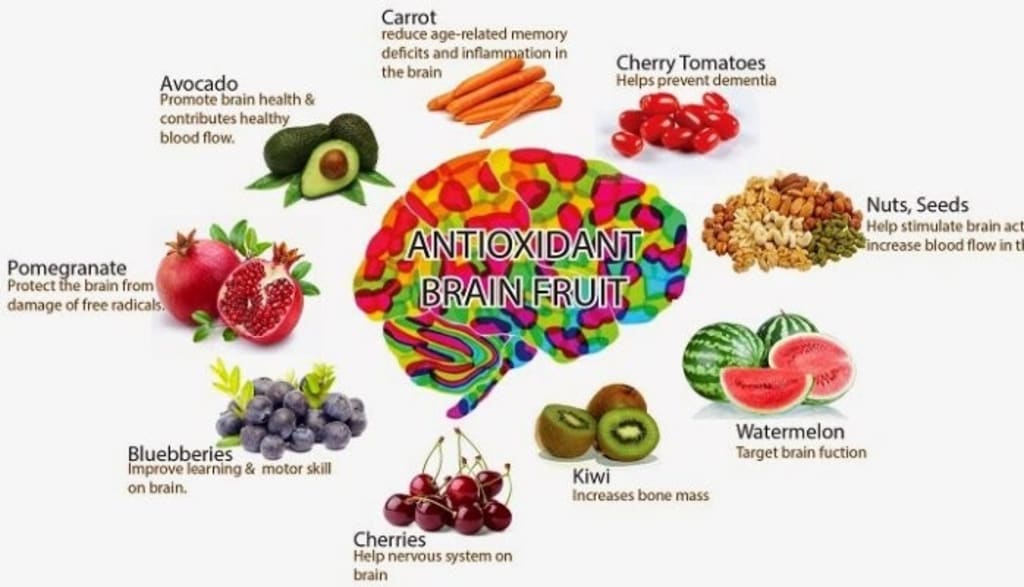
Antioxidants and phytochemicals are frequently discussed in today’s health-conscious society, but what precisely are they? How can they improve your well-being? This post will discuss the functions of phytochemicals and antioxidants, foods that are high in them, and simple strategies to include these beneficial substances in your regular diet.
What Are Antioxidants?
Antioxidants are compounds that assist in shielding our cells from the harm that free radicals can inflict. Free radicals are unstable chemicals that are created either by environmental factors like pollution and UV radiation or by the breakdown of food in our bodies. Oxidative stress, which is associated with heart disease, cancer, and aging, can result from an excess of free radicals relative to antioxidants.
Common Types of Antioxidants
- Vitamins: Two well-known antioxidants are vitamins C and E. Citrus fruits, strawberries, and bell peppers are good sources of vitamin C, whereas nuts, seeds, and green leafy vegetables are good sources of vitamins.
- Minerals: Two minerals that have antioxidant properties are manganese and selenium. Manganese is found in whole grains, nuts, and leafy greens; selenium is found in foods including eggs, seafood, and Brazil nuts.
- Plant substances with antioxidant qualities are called polyphenols. Red wine, tea, dark chocolate, and berries are foods high in polyphenols.
- Plant pigments called carotenoids are responsible for the yellow, orange, and red hues of plants. Excellent antioxidants are carotenoids, such as lycopene (found in tomatoes) and beta-carotene (found in carrots and sweet potatoes).
What Are Phytochemicals?
Plants naturally contain substances called phytochemicals. They help plants retain their color, taste, and ability to withstand illness. Like vitamins and minerals, phytochemicals are not necessary for good health, but they are recognized for their potential advantages, such as their antioxidant capabilities.
Types of Phytochemicals
- Quercetin and catechins are two examples of the many phytochemicals known as flavonoids. Flavonoid-rich foods include dark chocolate, onions, and apples.
- Beans, legumes, and certain grains contain saponins, which have been connected to lowered cholesterol and enhanced immunological response.
- Glucosinolates: Found in cruciferous vegetables such as Brussels sprouts, kale, and broccoli, glucosinolates are thought to possess anti-cancer qualities.
- Lignans: These can be found in entire grains, vegetables, and seeds, especially flaxseeds. Lignans may contribute to a lower risk of malignancies linked to hormones.
Health Benefits of Antioxidants and Phytochemicals
Numerous health advantages are associated with both antioxidants and phytochemicals:
- Heart Health: A number of antioxidants, including flavonoids and polyphenols, can lessen the risk of heart disease by reducing inflammation and enhancing blood circulation.
- Cancer Prevention: Research has demonstrated that some phytochemicals, such as carotenoids and glucosinolates, can lower the chance of developing certain types of cancer by shielding cells from harm and assisting the body’s detoxification processes.
- Increasing Immunity: It is well known that antioxidants, such as vitamin C, strengthen the immune system and aid in the body’s defense against illnesses.
- Anti-Inflammatory Effects: A wide range of antioxidants and phytochemicals contain anti-inflammatory qualities that can help lower the risk of chronic inflammatory disorders like diabetes and arthritis.
- Skin Health: By scavenging free radicals, antioxidants can help shield the skin from UV ray damage and lessen the appearance of aging.
- How to Incorporate Antioxidants and Phytochemicals into Your Diet
It’s easy and delicious to incorporate phytochemicals and antioxidants into your diet. Here are some useful pointers to get you going:
1. Eat a Rainbow of Fruits and Vegetables
Eating a wide array of colored fruits and vegetables is one of the best methods to make sure you’re getting a variety of antioxidants and phytochemicals. Try to get in five or more servings each day.
- Red: Red bell peppers (high in vitamin A), strawberries (high in vitamin C), and tomatoes (rich in lycopene).
- Orange/yellow: Sweet potatoes (high in antioxidants) and carrots (high in beta-carotene).
- Green: Broccoli (rich in glucosinolates) and spinach (rich in lutein and zeaxanthin).
- Blue/Purple: eggplant (which includes nasunin) and blueberries, which are rich in anthocyanins.
For more information click here now:
2. Choose Whole Grains
In addition to being a good source of fiber, whole grains are a valuable source of phytochemicals. Choose whole-wheat goods, quinoa, barley, and brown rice in place of refined grains.
3. Snack on Nuts and Seeds
Nuts and seeds are great providers of protein, healthy fats, and antioxidants. Include a range of nuts in your diet, such as Brazil nuts, walnuts, and almonds. For an additional nutritional boost, you may use flaxseeds and chia seeds into yogurt, oatmeal, and smoothies.

4. Drink Herbal Teas
Teas made from herbs, particularly green tea, are high in antioxidants. Catechins are potent antioxidants found in green tea that are well-known for their health advantages. Beneficial phytochemicals are also found in hibiscus and chamomile herbal teas.
5. Add Spices and Herbs
Antioxidants abound in many herbs and spices. For instance, curcumin, which has anti-inflammatory and antioxidant qualities, is present in turmeric. For an added health benefit, add spices to your meals, such as garlic, ginger, and cinnamon.
6. Enjoy Dark Chocolate in Moderation
For those who enjoy chocolate, good news! Flavonoid-rich dark chocolate has been connected to a number of health advantages, including better heart health. Choose dark chocolate that has at least 70% cocoa and consume it in moderation.
7. Limit Processed Foods
Compared to unprocessed meals, processed foods often have lower levels of antioxidants and minerals. Limit your use of sugar-filled drinks, processed snacks, and fast meals in favor of whole, minimally processed foods.
8. Consider Smoothies
A fantastic method to include a range of fruits, veggies, nuts, and seeds is through smoothies. A tasty and highly antioxidant-rich beverage can be made by combining spinach, banana, berries, and almond milk.
Practical Tips for Meal Planning
It doesn’t have to be difficult to include phytochemicals and antioxidants in your diet. Here are some pointers to get you started with meal planning:
Breakfast Ideas
- Berries on top of oatmeal: For extra taste, add nuts, fresh or frozen berries, and a drizzle of honey.
- Smoothie bowl: Process your preferred fruits and spinach together in a blender. Transfer into a bowl and garnish with sliced fruit, nuts, and seeds.
Lunch Ideas
- Quinoa salad: For a wholesome meal, mix cooked quinoa with chopped veggies, chickpeas, and a lemon vinaigrette.
- Vegetable stir-fry: Add a range of vibrant veggies, lean protein (such tofu), and ginger and garlic for seasoning.
Dinner Ideas
- Salmon on the grill with veggies: Sweet potatoes and steamed broccoli go nicely along with salmon, which is high in omega-3 fatty acids.
- Stuffed bell peppers: For a tasty and eye-catching dinner, stuff bell peppers with a blend of brown rice, black beans, corn, and spices.
Snack Ideas
- Hummus and vegetables: For a nutritious snack, dunk bell pepper, cucumber, and carrot slices in hummus.
- Greek yogurt paired with almonds and honey: A delicious and nourishing way to include healthy fats and protein.
Conclusion
A balanced diet must include both antioxidants and phytochemicals since they offer a host of health advantages and shield our bodies from harm. You may simply add these potent components into your meals by emphasizing a colorful array of fruits and vegetables, whole grains, nuts, and healthy fats. Recall that minor adjustments can have a big impact. improvements in your overall health. Start today by making mindful choices, and enjoy the delicious journey to better health!
For more information click here now:
About the Creator
Healthy positive lifestyle
Welcome to my Vocal! I'm dedicated to health and fitness, sharing tips, workouts, and nutrition advice to inspire your wellness journey. Join me for practical insights and motivation as we strive for a healthier, happier life together!
Keep reading
More stories from Healthy positive lifestyle and writers in Lifehack and other communities.
The Encyclopedia of Power Foods: A Guide to Nutrient-Packed Superfoods
The correct food selection can have a major impact on eating a healthy diet. A lot of us make an effort to incorporate meals high in nutrients into our diets; this is where the idea of “power foods” comes in. These foods are rich in nutrients that can improve our health and vitality, such as vitamins, minerals, antioxidants, and other helpful components. This post will discuss power foods, their advantages, and how to include them in your regular meals.
By Healthy positive lifestyle2 years ago in Lifehack
Moving in Palm Beach Gardens: How to Choose the Right Moving Company
Relocating in Palm Beach Gardens, Florida, is often associated with a calm and orderly lifestyle, but the moving process itself requires careful preparation. While the city is known for its planned communities and wide roads, local moves still involve details that can easily be overlooked. Understanding these factors ahead of time can help residents avoid unnecessary stress and delays.
By House Doctor7 days ago in Lifehack
The Long Way Home
Rayan always believed that time was something to control. He planned his days carefully, hated delays, and felt uncomfortable when things did not go as expected. For him, reaching the destination mattered more than the journey itself. If something slowed him down, it felt like a personal failure.
By Sudais Zakwanabout 3 hours ago in Lifehack




Comments