
Ultimate Trekking Guide: Annapurna, Kanchenjunga, Mustang & Tsum Valley
Annapurna, Kanchenjunga, Mustang & Tsum Valley

Nepal is home to big mountains and deep valleys. This place is for trekkers who want pure adventure, quiet trails, culture, people and mountains in their eyes. In this guide, you go to Annapurna base camp with Mardi Himal, Kanchenjunga base camp, Upper Mustang and Tsum valley. All these treks give a different feeling, beauty and challenge. Some are remote, some are spiritual, and some are peaceful. But all give memories forever. This guide tells you how to go, what you eat, the best season, about people, culture, weather and how you feel after finishing the trek. Everything for every visitor.
Kanchenjunga Base Camp Trek
This Kanchenjunga Base Camp Trek is for people who like to go very far from the crowd. Kanchenjunga is the world's third biggest mountain. The base camp trek is not crowded like Everest or Annapurna. The trail goes from low forest to small village, then high mountain land. You see big snow peaks, rivers, yaks, glaciers and local people like Limbu and Rai. Trek takes almost 20-24 days. Very raw and wild. You need a special permit. This trek shows you the pure side of Nepal.
Upper Mustang Trek
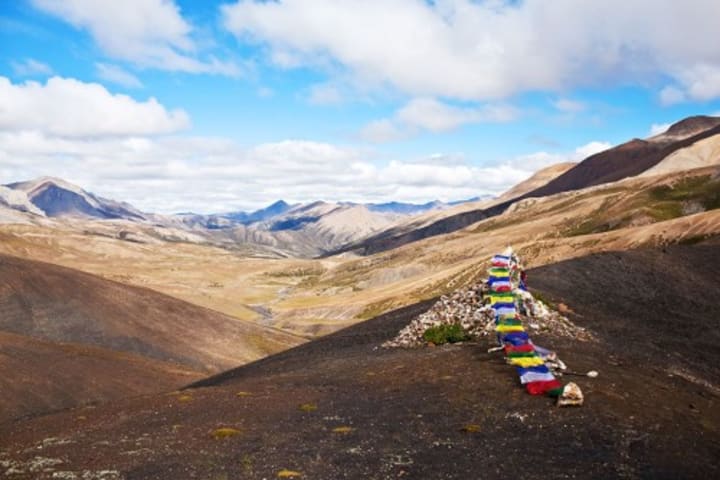
The Upper Mustang trek is like Tibetan land. Before it was a separate kingdom. Now also still many rules are the same. Trekking here feels like time is not moving. You see dry desert mountains, red cliffs, caves, monasteries, and an old king's palace in Lo Manthang. People speak the Tibetan language. Very strong culture. This trek takes 12–15 days. The permit is expensive but worth it. You need a guide. The best part is the sky color and the silence of the land. Many call it the “Hidden Kingdom of Nepal.”
Annapurna Base Camp & Mardi Himal Trek with Buddha Air

The Annapurna Base Camp & Mardi Himal Trek with Buddha Air is a mix of famous and quiet. ABC is the most popular trek, and Mardi Himal is the new one. Buddha Air helps you reach Pokhara fast from Kathmandu. From Pokhara you go to both treks. ABC shows you Annapurna, Machhapuchhre and a big glacier. Mardi is a small but beautiful path, with forest, ridge, and mountain very near. Together, this trek is full of nature, fun, teahouses, and friendly people. You can finish both in 12–14 days. Flight saves time and energy.
Tsum Valley Trek

The Tsum valley trek is a secret valley. Not many go here. It is inside the Manaslu region. People here follow Buddhism and speak their own language. You see prayer walls, stupas, old monasteries, and big snow mountains. The valley is peaceful and spiritual. No busy hotel, only a simple tea house. Tsum people are very kind. This trek takes 16–18 days. You need a special permit. You feel like you go to a holy place where people live simple and good lives.
How to Start a Journey on These Treks
To start trekking, first you come to Kathmandu. You take a permit, TIMS card and gear. For Kanchenjunga and Tsum, you need a special permit. You need a guide and a group. For the Upper Mustang, it is the same. Annapurna and Mardi are easy; no problem solo. From Kathmandu, take a flight or bus to the trailhead. For Kanchenjunga, fly to Bhadrapur and then drive. Mustang and Annapurna: flight or drive to Pokhara. From Tsum, drive to Arughat or Machha Khola. Best is to plan with an agency; they make everything easy for you.
Cultural Highlights and Local Communities
Every trek gives a different cultural feeling. In Kanchenjunga, you meet Limbu, Rai, and Sherpa. They dance, wear their own dress, and drink Tongba. In Mustang, people look Tibetan. Speak differently, eat thukpa and momo, and live in a stone house. In the Annapurna region, you find Gurung and Magar people. They are kind and dance in welcome. In Tsum, people live peaceful Buddhist lives. Chanting, stupas, monasteries, monks—very spiritual. All treks show you old life, not modern. People live with nature. Their hearts are clean and happy. You get Dal Bhat, and they smile. That is the culture of the mountain.
Best Time to Trek
Spring (March to May)—Best for flowers, rhododendrons, blue skies, and clear mountains.
Autumn (September to November)—Perfect weather, no rain, cool and dry.
Winter (December to February)—Cold, snow, hard in high camp, but Tsum and Mustang are okay.
Monsoon (June to August)—Wet and slippery, but Mustang is dry, so it's okay.
For Kanchenjunga and Tsum, better in autumn and spring. ABC and Mardi, spring is very nice.
Mustang can go monsoon because there is no rain there. Choose your month with good planning.
Food and Water Availability on the Trail
The food is simple but good. You get Dal Bhat (rice, lentil, and veg), noodle soup, fried rice, momo, and pancake. In ABC and Mardi, the food menu is big. Many choices. In Kanchenjunga and Tsum, there is limited food. But healthy. Local vegetables and rice. In Mustang, you get Tibetan food like thukpa, tsampa, bread, and butter tea. Water is from tap or stream. Always use a purification tablet or bottle filter. In some lodges, you can buy bottled water. But it's better to use refills to save plastic. The food is slow-cooked. So order early. Carry some snacks for energy.
Weather and Temperature
The weather is different on every trek.
Kanchenjunga—Cold in high camp, below zero. Cloudy in monsoon.
Mustang—Dry and windy. Sunny in the day, cold at night.
Annapurna & Mardi – Warm in low, cold in high. ABC can be snowy.
Tsum—Chill weather, cold at night. But the sun is in the day.
In all places, carry a good jacket, sleeping bag, and raincoat. Weather can change fast.
Spring and autumn, the weather is best. Not too cold, not too hot.
In winter, it's minus 10 to 15 degrees. Be ready.
Experience & Insights for These Treks
All treks teach you something.
Kanchenjunga—Show you patience, long walks, and wild nature.
Mustang—Give you silence, make you think deep, and make you feel old-time.
ABC and Mardi – Joyful trek, fun, close to the mountain, happy tea house life.
Tsum – Peace in mind, slow life, strong heart of people.
You feel proud after the trek.
You walk in places where only a few go.
You talk with people who smile with their heart.
Every step teaches you to respect nature, listen to mountains, and live simply.
Trek is not just for photos. It’s for learning the soul.
Recovery After the Trek: Rest & Reflection
After the trek, my body was tired, my legs were in pain, but my heart was full. Come back to Pokhara or Kathmandu. Take a rest for 2–3 days. Eat good food, get massages, and sleep well.
Think about your walk, people you meet, and views you see. Write a diary, share a story, and relax. If you want, do yoga, visit stupas, and walk in the city slowly. Trek changes your feelings. You come as a tourist, and you go as a new person. Trek is not ending. It is the beginning of peace in life. Let the body heal and the soul shine.
Conclusion
Nepal trekking is not only walking. It is living with mountains, talking with the sky, and eating with humble people. Kanchenjunga, Upper Mustang, Annapurna with Mardi, and Tsum Valley—all give different colors of trekking. Some places are hard, some are easy. Some busy, some quiet. But all pure. Permit, gear, guide, season—plan properly. Respect culture, clean the trail, and be strong in heart. When you go back home, you carry a story, not just a photo. Nepal waits for you always. Trekking is a gift. Open it slowly. Feel every moment.
FAQs
1. Can I do these treks solo?
No solo for Kanchenjunga, Mustang, or Tsum. You need a guide. ABC and Mardi are okay for solo.
2. How much time do I need?
Kanchenjunga – 22 days, Mustang – 15 days, ABC + Mardi – 12 days, Tsum – 17 days.
3. Permit is expensive?
Yes, for Mustang and Kanchenjunga. Tsum also has a special permit. ABC and Mardi are normal.
4. Is the internet and charging available?
In some places, yes. In the high area, no. Bring a power bank.
5. What are the best shoes?
Trekking boots. Good grip, waterproof.
6. Can a beginner go?
Yes for ABC, Mardi. Other treks need some fitness and mountain walking before.
7. What to do if I get sick?
Tell the guide. Rest and drink water. If serious, go down or take a helicopter.
8. Is a guide compulsory?
Yes, for restricted areas. And guides help in any problem.
9. What is the best month to go?
March to May and September to November.
10. Is trekking expensive?
Some treks are cheap; some cost more. Mustang and Kanchenjunga high permit. Tsum middle. ABC is cheaper.
About the Creator
Alex Winslow
A Good Writer, Always love to See the world in Peace Image.
Keep reading
More stories from Alex Winslow and writers in Lifehack and other communities.
Top Attractions of the Everest Region: Gokyo Lakes and Ama Dablam Peak
The Everest Region is famous for its majestic mountains, especially the highest peak in the world, but there is much more to explore beyond Everest. There lie pristine and lesser-known gems waiting to be explored with relatively fewer people around.
By Alex Winslow5 days ago in Lifehack




Comments
There are no comments for this story
Be the first to respond and start the conversation.