
Ultimate Guide to Wall Paint Ideas That Will Transform Your Interior on a Budget
Inspiration for your wall painting ideas at home

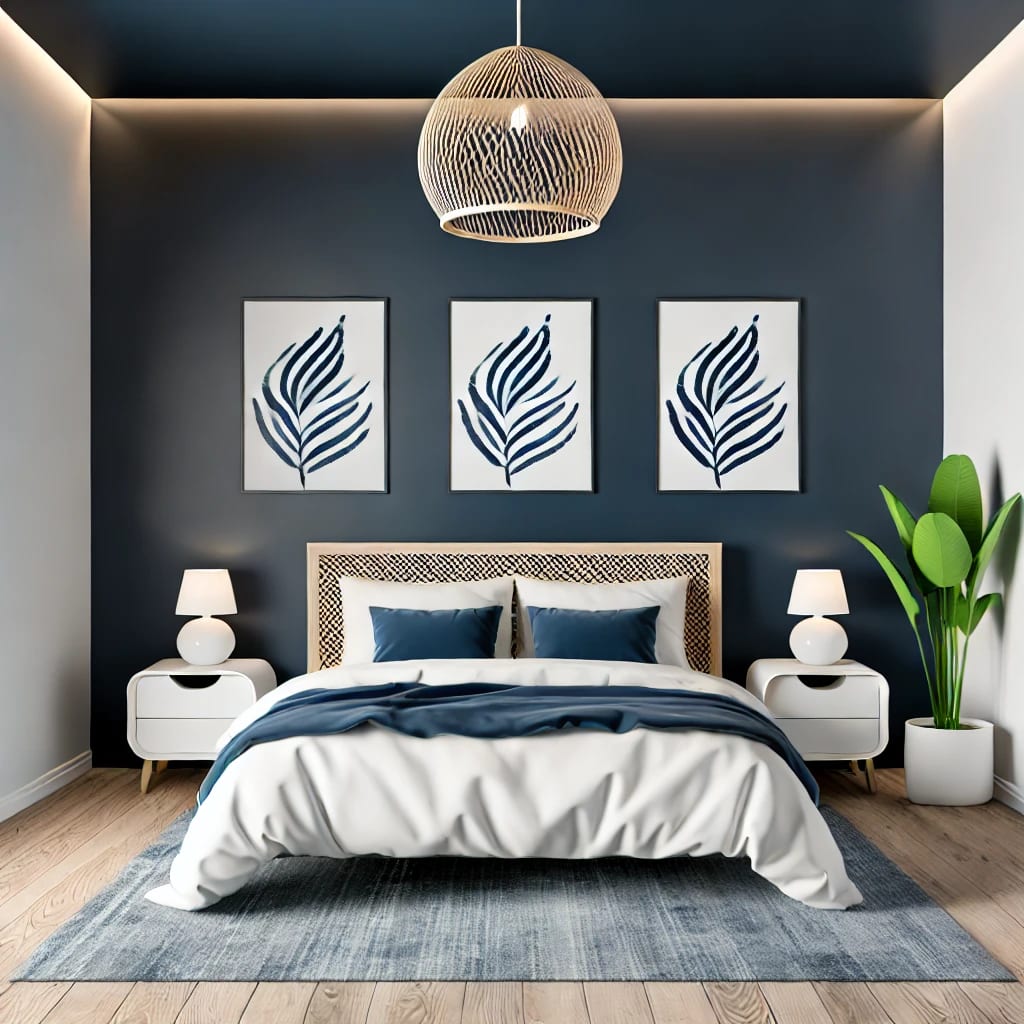
Ever walked into a room and felt an instant change in your mood? That's the magic of wall painting. It's not just about color; it's about creating an atmosphere, a feeling, a vibe. A fresh coat of paint can make a small room feel bigger, a dark room feel brighter, and a plain room feel like a cozy haven.
If you've been staring at your walls and feeling uninspired, you're in the right place. This article is about breathing new life into your home with wall paintings. Whether you're looking for a quick DIY project or a complete room makeover, we've got you covered. From simple techniques to creative inspirations, this guide will walk you through everything you need to know to transform your space with paint.
Benefits of Updating Your Walls with Paint
Who says home transformation has to come with a hefty price tag? Believe it or not, one of the most impactful ways to refresh your space is as simple as picking up a paintbrush. Let’s dive into the magic of paint and how it can breathe new life into your home.
Affordable Home Transformation
Let's face it, home renovations can be a wallet-buster. Ever wondered if there's a budget-friendly way to give your space a facelift? Well, here’s the good news: painting your walls is one of the most cost-effective ways to update your home. Imagine walking into a room that feels brand new, all without breaking the bank.

Consider this: the average cost of painting a room is around $200-$300, compared to thousands for more extensive renovations like new flooring or kitchen remodels. According to HomeAdvisor, major home renovations can range from $20,000 to $75,000. That’s a huge difference! So, next time you’re itching for a change, maybe grab a paintbrush instead of calling a contractor.
Personalization and Creativity
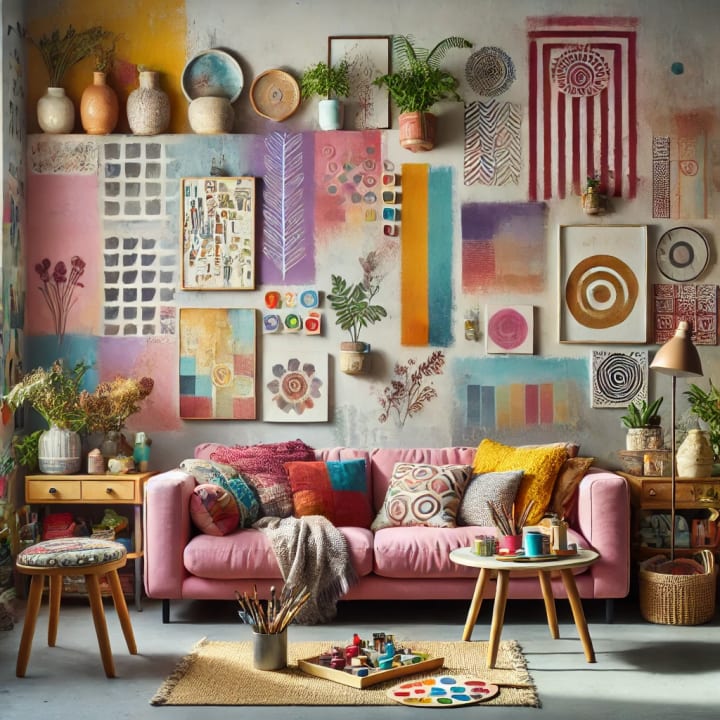
Feeling like your home doesn’t quite reflect your personality? Wall painting is your canvas for creative expression. You can play with colors, patterns, and even textures to make your space uniquely yours. It's like your home is your very own art project!
Increased Property Value
Here’s a little secret: real estate agents swear that a fresh coat of paint can significantly boost your home’s value. According to a study by Zillow, homes with light, neutral paint colors on the walls can sell for over $2,000 more on average than those with outdated or bold colors.
Imagine investing just a couple of hundred bucks on paint and seeing a return of a few thousand dollars when you decide to sell. It’s a no-brainer! Fresh, clean walls give potential buyers the impression that the home is well-maintained and move-in ready. So, not only do you get to enjoy a refreshed space, but you also make a smart investment in your property’s future.
Simple Wall Painting Ideas for Beginners
Solid Color Walls
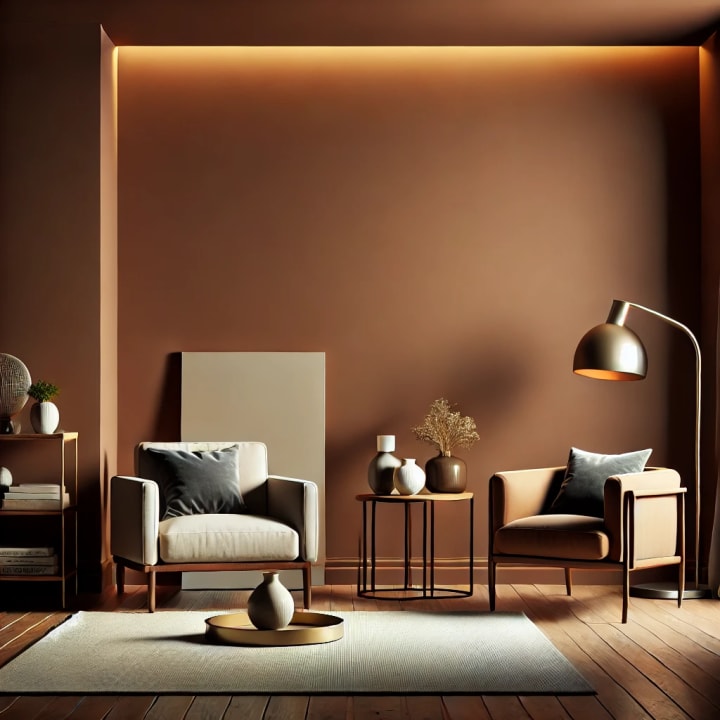
Let’s start with the basics. A solid color wall might seem simple, but don’t underestimate its power to transform a space. The right color can set the tone for an entire room, making it feel warm, cozy, or even invigorating. Ready to pick your perfect shade? Let’s explore how to make the most of this classic approach.
Choosing the Right Color
Picking the perfect color for your walls is like choosing the right outfit for a special occasion. You want something that feels just right and sets the mood. Here are some tips to help you make the best choice:
- Consider the Room Function: Consider how you'll use the room. Soft blues and greens are great for bedrooms because they create a calming effect, while vibrant yellows and oranges can energize a kitchen or playroom.
- Mood Matters: What vibe do you want to create? Cozy and warm? Choose earthy tones like browns and beiges. Fresh and lively? Choose bright, bold colors.
- Lighting: Natural light can affect how a color looks. A color might appear different in daylight versus artificial light, so test paint samples on your wall before committing.
How to Test Paint Samples
Testing paint samples is crucial to avoid regret once the entire wall is painted. Here's a simple way to do it:
- Get Samples: Purchase small samples of the colors you're considering. Most hardware stores offer these for a few dollars.
- Paint Swatches: Paint a few large swatches on different walls in the room. This helps you see how the color looks in various lighting conditions
- Observe: Live with the swatches for a few days. Notice how they look in the morning, afternoon, and evening light.
Paint Finishes
The finish you choose for your paint can make a big difference in the overall look and feel of the room. Here's a quick overview:
- Matte Finish: Great for hiding imperfections on walls, giving a velvety look.
- Eggshell and Satin: These finishes have a slight sheen and are more durable, making them perfect for high-traffic areas like hallways and kids' rooms.
- Gloss and Semi-Gloss: These are shiny and reflect light, making them ideal for trim, doors, and cabinets.
Accent Walls
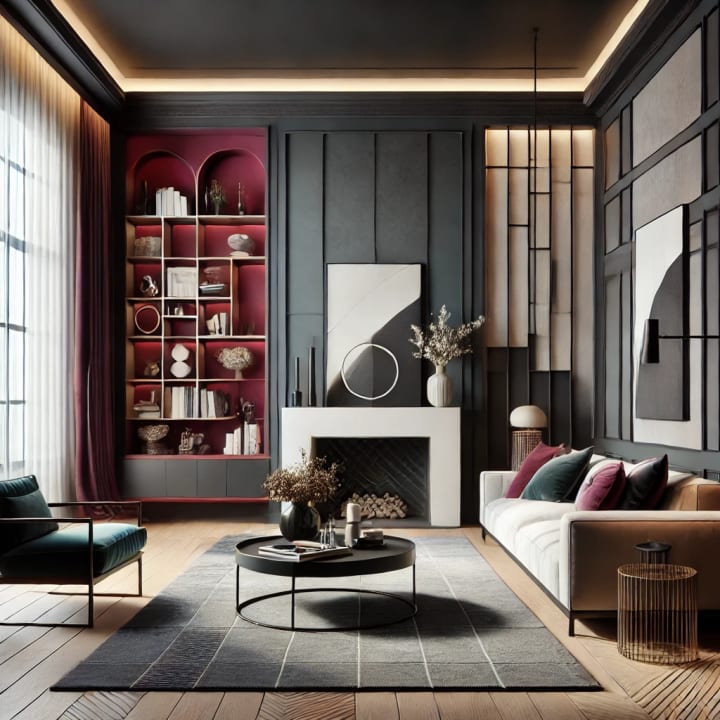
Ready to make a bold statement without overwhelming your entire space? Accent walls are the perfect way to add personality and color to your home. They allow you to experiment with color and design on a smaller scale, making it easier to change things whenever you feel like it. Whether you want to highlight a focal point in your room or add some visual interest, let’s explore how accent walls can completely transform your space.
How to Choose the Right Wall for an Accent
An accent wall can add a pop of color and personality to any room, but choosing the right wall is key. Here are some guidelines:
- Focal Point: Pick a wall that naturally draws attention, like the one behind your bed, sofa, or fireplace. This is your chance to make a striking visual statement.
- Balanced Impact: Ensure the accent wall balances with the rest of the room. It shouldn't overpower or clash with other elements. Imagine it as the lead singer in a band - it stands out but works harmoniously with the backup.
Popular Accent Wall Colors
Wondering what colors are trendy for accent walls? Here are some ideas:
- Deep Navy: Adds elegance and sophistication. Think of it as the little black dress of interior design.
- Bold Red: Perfect for creating a lively and energetic atmosphere. It’s like adding a dash of hot sauce to your room.
- Soft Pastels: Great for a subtle, calming effect. Imagine the serenity of a spring morning.
Two-Tone Walls
Why settle for one color when you can have two? Two-tone walls are a fun and stylish way to bring depth and dimension to your room. Whether you choose to go horizontal or vertical, this technique allows you to play with contrasting or complementary colors to create a unique look. Let’s dive into creative ways to use two-tone walls in your home.
Horizontal Two-Tone Walls
Horizontal two-tone walls can add depth and interest to a room. Here's how to do it:
- Divide the Wall: Decide where you want the color division. A common choice is one-third from the bottom.
- Mark and Tape: Use a level to mark a straight line, then apply the painter's tape.
- Paint: Start with the lighter color on top, then paint the bottom section darker.
Vertical Two-Tone Walls
Vertical two-tone walls can make a room feel taller and more spacious. Here are some tips:
- Choose Colors Wisely: Pick colors that complement each other. You can go bold with contrasting colors or keep it subtle with shades of the same hue.
- Mark the Division: Use a level and tape to create a vertical line where the colors will meet.
- Paint with Precision: Paint one side first, let it dry, then carefully tape over the edge before painting the other side.
Creative Wall Painting Techniques
Looking to add a personal touch to your walls without diving into a full-scale mural? Stenciling is your go-to technique. It’s like adding a sprinkle of personality to your walls, and the best part? You don’t have to be an artist to pull it off! Let’s explore how you can use stencils to create beautiful, custom wall designs.
Stenciling
Stenciling is the perfect solution if you want to add a touch of flair to your walls without committing to a full mural. This versatile technique allows you to create intricate designs with minimal effort, making your space feel personalized and stylish. Whether you’re dreaming of delicate patterns or bold statements, stenciling opens up a world of creative possibilities. Ready to turn your walls into a canvas? Let’s explore how stenciling can bring your artistic visions to life with simple tools.
Choosing a Stencil Pattern
So, you're ready to add some pizzazz to your walls with stenciling? Fantastic choice! Selecting the right stencil pattern can make or break your room's vibe. Think about your existing décor. Are you going for a modern look or something more vintage? Complementary patterns can make your space feel cohesive and intentional.
How to Select a Stencil Pattern
- Match Your Style: Opt for geometric or abstract patterns if your room is filled with mid-century furniture. For a more classic look, floral or damask designs work wonders.
- Consider Wall Size: Larger walls can handle bigger, bolder patterns. Smaller walls or accent areas might benefit from more intricate, delicate designs.
- Test Before You Commit: Use painter's tape to stick potential stencils on the wall and step back temporarily. Does it fit your vision? If not, keep searching.
Ombre Walls
Imagine a wall that transitions seamlessly from one color to another, creating a soft, dreamy effect. That’s the beauty of an ombre wall! This gradient painting technique is visually stunning and surprisingly easy to achieve. Whether you’re looking to evoke a sunset's serenity or the ocean's calm, ombre walls offer endless possibilities to bring a touch of magic into your home.
What is an Ombre Wall?
Ombre walls are like a dreamy watercolor painting brought to life. This technique involves blending multiple shades of one color, from light to dark, creating a gradient effect that adds depth and movement to any room.
Explanation of the Ombre Technique
- Start Light: Begin with the lightest shade at the top of the wall.
- Blend Away: Gradually transition to darker shades as you move down.
- Smooth Transitions: Use a dry brush or sponge to blend the colors seamlessly.
Geometric Patterns
Geometric patterns are a fantastic way to inject a modern, edgy feel into any room. These bold designs can transform a plain wall into a captivating work of art, drawing attention and making a strong statement. Whether you’re envisioning sharp triangles, trendy hexagons, or classic stripes, geometric patterns are all about precision and creativity. Ready to bring some order to your chaos? Let's dive into planning and executing the perfect geometric wall design.

Designing Geometric Walls
Geometric patterns can infuse any room with a dynamic, modern flair. However, meticulous planning is crucial to ensure your design looks intentional and balanced.
How to Plan and Measure:
- Sketch Your Design: Start by drawing your pattern on graph paper. This will give you a clear visual and help you spot potential issues before you start on the wall.
- Measure Twice, Paint Once: Use a level and measuring tape to mark your design on the wall. Accurate measurements are vital to maintain symmetry and proportion.
- Painter's Tape: Apply painter’s tape along your lines to keep edges crisp and clean. This step is essential for achieving professional-looking results.
Popular Geometric Designs
- Triangles: Triangles are incredibly versatile. They can be used in various sizes to create dynamic designs. Think of them as the Swiss Army knife of geometric designs.
- Hexagons: Perfect for creating a honeycomb effect, hexagons add a touch of nature-inspired intricacy to any design.
- Stripes: A classic choice, stripes can be horizontal or vertical, adding a timeless elegance to your designs.
Mural Painting
Dreaming of a wall that tells a story? A mural might be just what you need. Murals are perfect for those who want to go beyond solid colors and simple patterns, adding a touch of artistry to their home. Whether a peaceful landscape or a playful scene, a mural can transform a room into a unique space that reflects your personality. Let’s dive into how to plan and create a mural that’ll make your walls the talk of the town.

Planning a Mural
Alright, let's dive into the dream world of mural painting! Whether you're thinking about a playful scene for your child's bedroom or a serene landscape for the living room, planning is your first step.
How to Design and Plan for a Mural
- Visualize Your Space: Stand back and look at the wall where you want to paint. Consider the size, shape, and existing decor. Imagine how the mural will interact with the room’s elements.
- Sketch It Out: Grab a notebook and start sketching your ideas. Don’t be afraid to get creative! If drawing isn’t your thing, plenty of design apps can help you visualize your mural.
- Choose a Theme: Think about what inspires you. Nature scenes? Abstract art? Maybe a whimsical fairy tale? The theme will guide your design choices and help you stay focused.
- Gather Inspiration: Look for ideas online, in magazines, or even in your favorite movies. Create a mood board with images, colors, and textures that appeal to you. Pinterest can be a treasure trove of inspiration.
Tips for a Stunning Mural
- Take Your Time: Rushing can lead to mistakes. Enjoy the process and take breaks if needed.
- Practice on Paper: If you’re unsure about a particular element, practice on paper first.
- Stay Consistent: Keep your theme and color palette consistent throughout the mural.
- Ask for Help: If you're not confident in your skills, consider getting a friend to help or hiring a professional.
Textured Walls
Textured walls might be the perfect solution if you’re craving something beyond a flat finish. Textures add depth and character to your space, making ordinary walls eye-catching features. Whether you’re aiming for a rustic vibe or something sleek and modern, there’s a texture out there for you. Let’s explore how textured paints can elevate your home’s aesthetic.

Different Types of Textured Paints
Textured walls can add depth and character to any room. Here are some popular options:
- Stucco: This gives a rough, stone-like finish that adds a rustic charm. Think of a cozy Mediterranean villa or a charming countryside cottage.
- Venetian Plaster: A smooth, polished finish that mimics the look of marble. It brings a touch of luxury and sophistication to any space, reminiscent of old-world Italian palaces.
- Sand Texture: Adds a subtle, sandy texture to walls, perfect for a beachy vibe. Imagine the gentle feel of sand beneath your feet, bringing a relaxed, coastal feel to your home.
Maintenance and Touch-Up Tips
So, you’ve created a masterpiece on your walls—let’s ensure it stays that way! Proper maintenance and touch-ups are key to keeping your freshly painted walls looking pristine and vibrant. Whether it’s regular dusting or the occasional scuff mark, these tips will help you protect your hard work and enjoy your beautifully painted walls for years.
Maintaining Freshly Painted Walls
You’ve just finished painting your walls, and they look fabulous. But how do you keep them looking fresh and vibrant? Don't worry; I’ve got you covered with some best practices.
Regular Dusting
Regular dusting is a must. Use a soft, lint-free cloth or a feather duster—your walls will thank you. Dust can accumulate over time; a quick wipe-down every few weeks can keep it at bay.
Gentle Cleaning
A gentle cleaning routine is essential for those inevitable smudges and fingerprints. A mild, soapy water solution works wonders. Just dampen a soft sponge in the mix and gently dab (not scrub!) the affected areas. Avoid harsh chemicals or abrasive scrubbers—they can damage the paint finish.
Pro Tip: Spot test any cleaning solution in an inconspicuous area first to ensure it won't affect the paint color.
Touching Up Paint
Accidents happen—kids with crayons, moving furniture, you name it. But touching up small paint areas doesn’t have to be a headache.
Steps for Seamless Touch-Ups
- Match the Paint: This is crucial. If you have leftover paint from the original job, great! If not, take a paint chip to your local hardware store for a perfect match.
- Prep the Area: Clean the spot to be touched up with a mild soap solution. Let it dry completely.
- Feather the Edges: Use a small, high-quality brush to apply the paint. Start from the center of the touch-up area and feather out toward the edges to blend it in with the surrounding wall.
Pro Tip: For best results, use the same brush or roller used for the original paint job. This helps maintain the texture consistency.
Conclusion
We've covered some essential tips on maintaining your freshly painted walls and how to tackle those inevitable touch-ups without a hitch. From regular dusting to gentle cleaning techniques and seamless touch-ups, your walls can stay as beautiful as the day you painted them.
If you want an easy way for inspration on designing your rooms in your house, then check out HomeDesigns. It can help you redesign your rooms in less than 30 seconds. Found out more now!
About the Creator
Craig Dennis
Content writer for over 7 years, specializing in home essentials.
Keep reading
More stories from Craig Dennis and writers in Lifehack and other communities.
Top Home Design Trends to Transform Your Space in 2024
Home design trends in 2024 focus on comfort, sustainability, and a modern, personalized look. Key trends include sculptural elements, smart technology, and rich, moody colors, all aimed at creating stylish and functional spaces.
By Craig Dennisabout a year ago in Lifehack
Grains and Wealth
Grains and Wealth j It is said that a prayer made with a pure heart is always accepted. Once, a wealthy merchant was traveling on horseback. He carried with him four bags filled with precious jewels and genuine pearls. His purpose was to sell these treasures and use the proceeds to buy goods for his trade. However, during his journey, he lost his way and ended up in a vast desert. Though he possessed immense wealth, he had very little food or water with him. In his flask, there was only a little water, which he drank as soon as he entered the scorching desert sands.
By Sudais Zakwan6 days ago in Lifehack




Comments (2)
Awesome analysis
Well detailed