
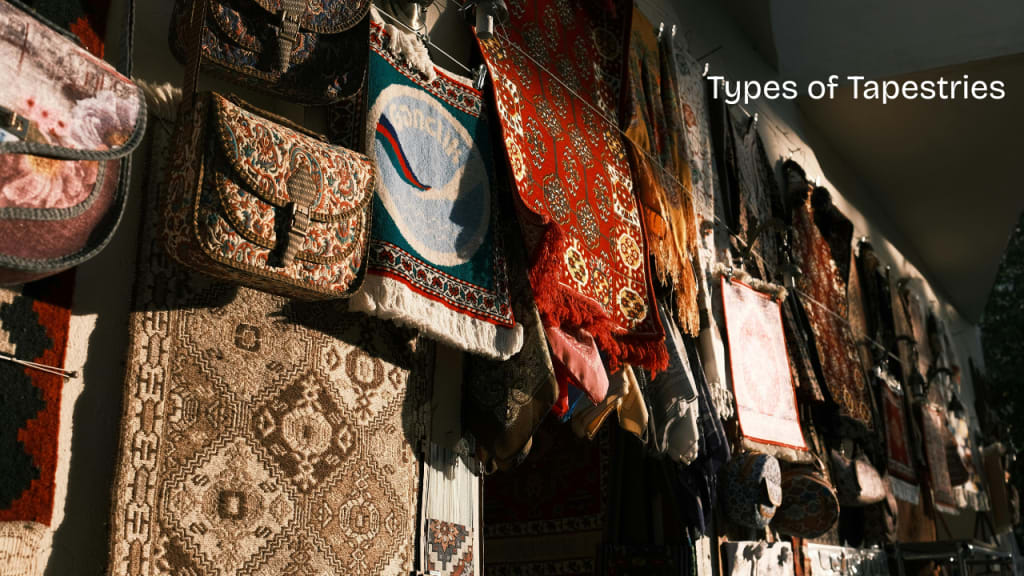
Tapestries are woven artworks that combine storytelling, decoration, and function. They have been part of human culture for centuries, from medieval castles to modern apartments. In the USA today, tapestries are popular for home décor, cultural appreciation, and artistic expression. Let’s explore the different types in detail.
1. Historical Tapestries
Medieval and Renaissance: These were large, hand‑woven pieces showing battles, royal life, or symbolic stories. They decorated castle walls and helped keep rooms warm.
Purpose: More than decoration, they showed wealth and power. Owning a tapestry meant status.
Examples: Famous sets like The Lady and the Unicorn or The Hunt of the Unicorn.
2. Religious and Mythological Tapestries
Biblical Stories: Churches and monasteries used tapestries to teach stories visually, especially when many people couldn’t read.
Mythological Themes: Greek, Roman, and Celtic myths were woven into fabric to preserve cultural legends.
Symbolism: These tapestries carried spiritual meaning and reinforced cultural identity.
3. Decorative Wall Tapestries
Floral and Nature Motifs: Flowers, landscapes, and animals bring warmth and elegance to homes.
Geometric and Abstract Designs: Modern styles fit contemporary USA interiors, often minimal and colorful.
Accent Panels: Smaller tapestries used as borders or highlights around furniture or architectural features.
4. Contemporary Art Tapestries
Artist Collaborations: Painters and designers translate their work into woven textiles.
Digital Prints: Affordable versions that mimic traditional weaving but are machine‑made.
Minimalist Styles: Clean lines, muted colors, and simple patterns for modern décor.
5. Cultural and Folk Tapestries
Nomadic Traditions: Early tapestries were practical, used for warmth and privacy.
Regional Styles: Each culture has unique motifs — Persian floral designs, Indian mandalas, Native American geometric patterns.
Identity: Folk tapestries often tell stories of daily life, heritage, and community.
Comparison Table
Type Features Common Use Today
Historical Battles, allegories, royal life Museums, heritage décor
Religious/Mythological Sacred or mythological stories Churches, cultural spaces
Decorative Wall Floral, geometric, abstract Home décor, interiors
Contemporary Art Modern designs, prints Galleries, modern homes
Cultural/Folk Tribal, regional motifs Traditional homes, festivals
FAQ – Tapestries
Q1: What materials are used in tapestries?
Traditionally wool, silk, and linen. Modern versions may use cotton or synthetic fibers.
Q2: Are tapestries always hand‑woven?
No. Historical pieces were hand‑woven, but many modern tapestries are machine‑made or digitally printed.
Q3: What is the difference between a tapestry and a rug?
A tapestry hangs on walls, while rugs are made for floors.
Q4: Can tapestries be used in modern USA homes?
Yes. They add texture, warmth, and personality to interiors, whether traditional or contemporary.
Q5: Why were tapestries important in history?
They served both practical (insulation) and symbolic (status, storytelling) purposes.
Q6: How do I care for a tapestry?
Keep it away from direct sunlight, vacuum gently, and avoid moisture to preserve colors and fibers.
Q7: Are tapestries considered fine art?
Yes. Many are displayed in museums and galleries as examples of textile artistry.
Q8: Can I use a tapestry as a bedspread or curtain?
Yes. Many modern tapestries are versatile and can be used as wall hangings, throws, or curtains.
Q9: What size tapestries are common today?
Small decorative panels for apartments, medium wall hangings for living rooms, and large statement pieces for galleries or big spaces.
Q10: Are tapestries expensive?
Hand‑woven historical pieces are rare and costly. Modern machine‑made or printed versions are affordable and widely available.
Q11: Can tapestries be machine‑washed?
No. Most tapestries should be gently vacuumed or dry‑cleaned to protect the fibers and colors.
Q12: Do tapestries fade over time?
Yes, if exposed to direct sunlight for long periods. Hanging them in shaded areas helps preserve their beauty.
Final Thoughts
Tapestries are timeless. They began as practical wall coverings and evolved into cultural treasures and modern décor. From medieval storytelling to contemporary art, they remain versatile and meaningful. For USA audiences, understanding the types of tapestries helps you appreciate their history and see how they can enrich your home today.
About the Creator
raajsee
At Raajsee, we craft high-quality, hand-rolled incense sticks made from natural ingredients to bring peace, positivity, and fragrance into your life.🌿 100% natural & eco-friendly
http://raajsee.com/
Digital Well-Being
We live in a time where the internet is not just a tool — it is an environment. From the moment we wake up to the moment we fall asleep, screens shape how we think, work, communicate, and relax. Technology connects us instantly, but constant connection can quietly drain our attention, energy, and peace of mind. Digital well-being is the practice of using technology in a way that supports — rather than harms — our mental, emotional, and physical health.
By shaoor afridi5 days ago in Lifehack
12 Easy Tattoo Filler Ideas to Elevate Your Existing Tattoo
Hard to think of what could fill such awkward slots between the dome? Hence, the need for them is simple tattoo filler ideas since they have realized that their half-sleeve or patchwork design looks a bit slanted and incomplete, so this is a wonderful place to start.
By AMRYTT MEDIA4 days ago in Lifehack
REEEEEEEEE!
I'm on a low road right now. There are a literal million things to do and not one of them worth my time. I would rather sit in place and burn but the orbit takes me on its inevitable route 'round the center; and I a center in my own right, around which others orbit, and so on and so forth, ad infinitum, ad nauseum.
By C. Rommial Butler4 days ago in Poets


Comments
There are no comments for this story
Be the first to respond and start the conversation.