
In Turkey, the evil eye, also known as “Nazar,” is a widespread belief and superstition. It is believed that the evil eye is a curse that can be cast by a malevolent stare, envy, or jealousy from someone who wishes ill upon another person. The belief in the evil eye has been a part of Turkish culture for centuries, and it has influenced the country's art, traditions, and customs. One of the most popular symbols of protection against the evil eye is the Evil Eye Wall Hanging.
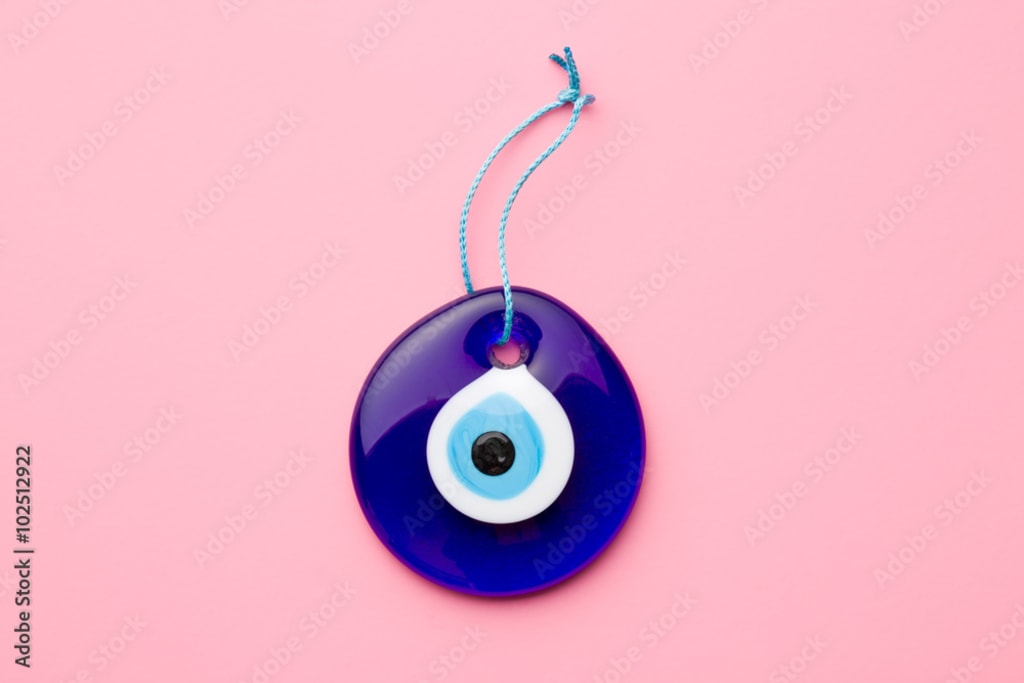
The Evil Eye Wall Hanging is a talisman that is believed to ward off the evil eye and protect the person or place it is hung in. It is a round-shaped ceramic or glass object that has a blue and white design of concentric circles that resemble an eye. The blue color represents the sky and the sea, which are considered to be the sources of life in Turkish culture. The white color represents purity and cleanliness. The design is believed to capture the attention of the evil eye and divert its attention away from the person or place it is hung in.
The Evil Eye Wall Hanging is a popular item in Turkey, and it can be found in homes, offices, shops, and even cars. It is believed to bring good luck and protect the owner from harm. The Evil Eye Wall Hanging is also a popular souvenir for tourists visiting Turkey. It is a symbol of the country's culture and traditions and a way to bring a piece of Turkey back home.
The origins of the Evil Eye Wall Hanging can be traced back to ancient Mesopotamia, where the belief in the evil eye was prevalent. It was believed that the evil eye was caused by jealousy and envy, and it could cause harm to people, animals, and crops. The Mesopotamians used different methods to protect themselves against the evil eye, including talismans and amulets.
In Turkey, the belief in the evil eye dates back to the Ottoman Empire, where it was believed that the evil eye could cause harm to the sultan and his subjects. The sultan and his courtiers would wear amulets and talismans to protect themselves against the evil eye. Over time, the belief in the evil eye became ingrained in Turkish culture and has remained an important part of the country's traditions.
The Evil Eye Wall Hanging is not just a decorative item; it has a deeper meaning and significance in Turkish culture. It represents the belief in the power of protection and the importance of warding off the evil eye. It is a symbol of the Turkish people's resilience and determination to protect themselves against negative energies and forces.
In recent years, the Evil Eye Wall Hanging has gained popularity in other parts of the world, and it has become a global symbol of protection against the evil eye. It is now sold in many countries and is used as a decorative item in homes, offices, and shops. However, the Evil Eye Wall Hanging's significance and meaning remain rooted in Turkish culture, where it is considered a powerful talisman that brings good luck and protects against the evil eye.
In conclusion, the Evil Eye Wall Hanging is an important part of Turkish culture and traditions. It represents the belief in the power of protection and the importance of warding off the evil eye. It is a symbol of the Turkish people's resilience and determination to protect themselves against negative energies and forces. The Evil Eye Wall Hanging is not just a decorative item; it has a deeper meaning and significance that is ingrained in Turkish culture. As the belief in the evil eye continues to be prevalent in Turkish society, the Evil Eye Wall Hanging will continue to be an important symbol of protection and good luck for generations to come.
About the Creator
BUSHRA TANVIR
I am a poetess and article writer
Keep reading
More stories from BUSHRA TANVIR and writers in Lifehack and other communities.
OBESITY AND OLD AGE
Obesity is a growing concern among women, especially after menopause. Menopause is a significant change in a woman's life that brings hormonal changes, slowing down the metabolism, and altering body composition. These changes make it challenging for women to maintain a healthy weight, and many women struggle with obesity after menopause.
By BUSHRA TANVIR3 years ago in Lifehack
5 Best AI Tools for Women
A modern woman's life is full of tasks. We need to balance work, home, family, friends, and personal care. But with only 24 hours in a day, we often struggle to find time for our favorite activities because we need to plan what to cook for dinner or make a shopping list for the week. It can all feel overwhelming, but the load can be made lighter with the help of AI, as many of our daily tasks can be delegated to various AI assistants. What apps can help you spend more time on yourself? Read on to find out.
By Lesya Chumak3 days ago in Lifehack
Worth the Wait: Puerto Viejo, Costa Rica
Beach bumming in a small Caribbean beach town sounded like a perfect way to end our 6-month trip through Mexico and Central America. Or so we thought. The foul, fishy stench of rotten seaweed hit our nostrils as we stepped from the cramped bus and looked out at a rather depressing, empty, and underwhelming black sand beach. It was pouring with rain, and we had to quickly fish out our ponchos. We thought, this couldn’t be it, could it?
By Sh*t Happens - Lost Girl Travel2 days ago in Wander



Comments
There are no comments for this story
Be the first to respond and start the conversation.