
Traffic Rules in France Every International Driver Should Know
Essential Road Rules for International Drivers and Tourists
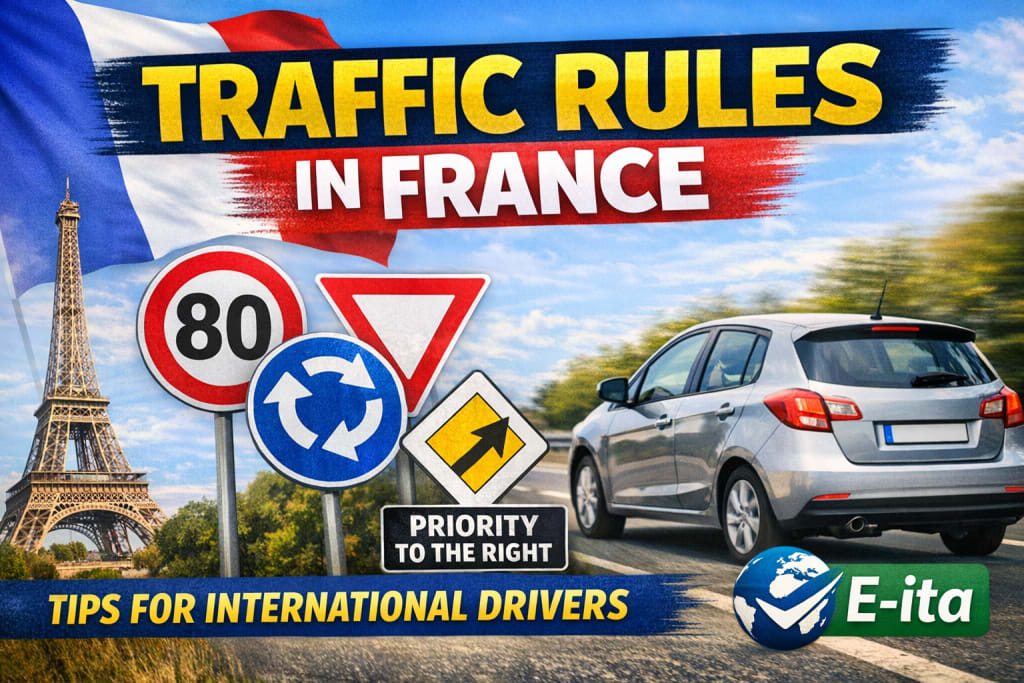
If you’re planning a trip to France and thinking about renting a car or driving as a tourist, this video is for you. Driving in France can be an amazing experience. From countryside roads to small villages and coastal routes, having a car gives you a lot of freedom. But traffic rules in France can be a little different from what many international drivers are used to, so it’s important to be prepared.
First things first, in France, driving is on the right side of the road. If you’re coming from a country that drives on the left, this can take a bit of adjustment, especially at intersections and roundabouts. Take your time during the first few days and stay focused.
One of the biggest things you’ll notice in France is the number of roundabouts. They are everywhere, especially outside big cities. The key rule to remember is that vehicles already inside the roundabout have the right of way. You must yield before entering. This is something locals expect you to know, and hesitation can confuse other drivers.
Speed limits in France are clearly posted but strictly enforced. In cities and towns, the usual limit is 50 kilometers per hour, although many residential areas are now limited to 30 kilometers per hour. On rural roads, the limit is often 80 kilometers per hour, and on highways it goes up to 130 kilometers per hour in dry conditions. If it’s raining, the speed limit is lower, and speed cameras are very common across the country.
Seat belts are mandatory for everyone in the car, both front and back. Using a mobile phone while driving is not allowed unless you’re using a hands-free system. Even holding your phone at a red light can result in a fine, so it’s best to keep it out of reach while driving.
Another rule that surprises many tourists is priority to the right. In some towns and smaller roads, cars coming from the right may have the right of way, even if there are no traffic lights or stop signs. Always watch for signs that indicate this, because it can catch international drivers off guard.
If you plan to drive in France as a tourist, you should check whether you need an International Driving Permit along with your regular license. Many travelers don’t realize this until they arrive. Preparing your documents before the trip makes everything smoother. Services like E-ita help international drivers understand local driving requirements and make sure the right paperwork is ready before traveling.
Parking in France requires attention. In cities, parking zones are usually marked with signs and colors. Paid parking is common, and enforcement is strict. Parking incorrectly can lead to fines or towing, especially in popular tourist areas. Always double-check signs before leaving your car.
Another important thing to know is alcohol limits. France has strict drink-driving laws, and penalties can be serious. If you plan to enjoy wine with a meal, it’s safer not to drive afterward. Many tourists underestimate how strict enforcement can be.
Driving behavior in France is generally calm but confident. Drivers expect others to follow rules closely. Use your indicators, stay in your lane, and avoid aggressive moves. On highways, keep to the right lane unless overtaking.
Overall, driving in France is safe and enjoyable when you understand the rules. The roads are well maintained, signage is clear, and having a car lets you explore places that public transport can’t reach. With a little preparation and patience, it can be one of the best parts of your trip.
Driving in Crete is an amazing experience when you stay patient and respectful. Take your time and enjoy the scenery.
About the Creator
Eita
Tech enthusiast | SEO strategist | Full-stack developer
Writing about digital growth, online branding, marketing trends, and the tools that shape the future.
Planning a Move in Marysville, Washington: Local Habits That Make the Process Easier
Moving in Marysville, Washington, often seems simple at first glance. The city feels calm, residential, and well-organized, which can give the impression that relocation requires minimal planning. However, residents who have moved locally know that small details make a meaningful difference. Weather patterns, neighborhood layouts, and daily routines all shape how smoothly a move unfolds.
By House Doctor3 days ago in Lifehack
Top 5 Best Dreo Humidifier Reviews: Which One is Better?
Dry air packs a wallop and can ruin sleep quickly. If you need the best dreo humidifier, I will refer to Dreo smart models with a humidistat, top-fill tank, and quiet sleep mode. In a word, I look for constant humidity and less daily effort. I reach the determination from spec checks, fresh U.S. buyer trends and pattern review of top complaints, which means you can pick one without confusion.
By Mohammed mamun3 days ago in Lifehack


Comments
There are no comments for this story
Be the first to respond and start the conversation.