
Top Reasons Property Owners Receive NYC Sidewalk Violations
Understanding the top reasons for these violations can help property owners stay proactive, avoid costly penalties, and ensure pedestrian safety.

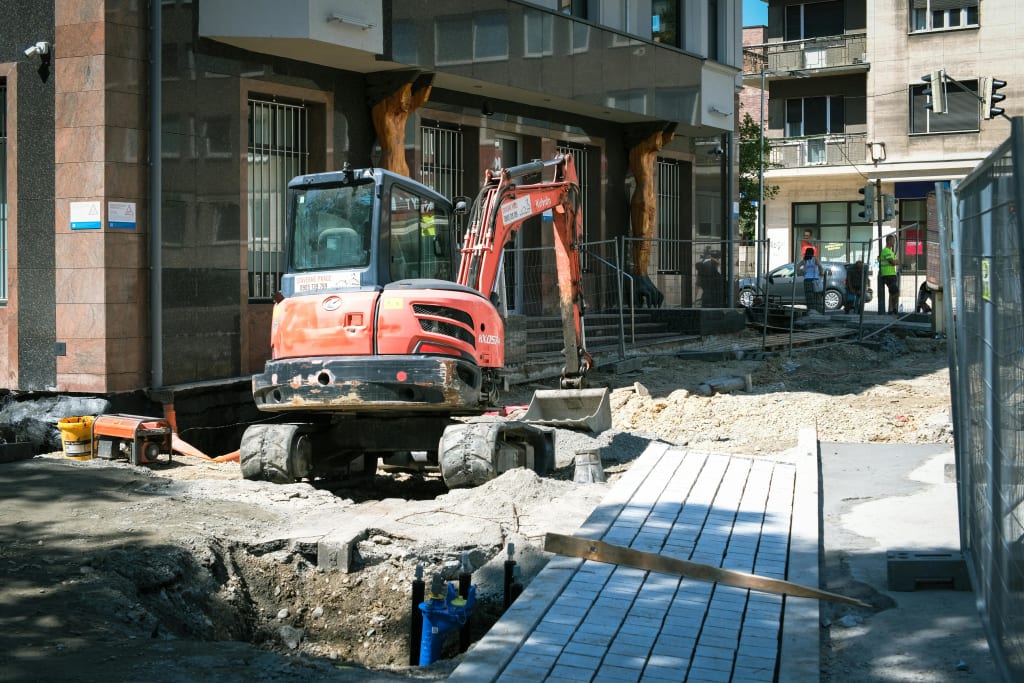
Maintaining sidewalks in New York City is not only a matter of community pride but also a legal responsibility for property owners. The bustling urban environment, combined with the city’s weather extremes and dense tree population, creates significant challenges in keeping sidewalks safe and intact. As a result, the New York City Department of Transportation (NYC DOT) issues sidewalk violations to property owners when sidewalks adjacent to their properties become hazardous or damaged. Understanding the top reasons for these violations can help property owners stay proactive, avoid costly penalties, and ensure pedestrian safety.
The Legal Framework Behind Sidewalk Responsibility
Before delving into the most common causes of sidewalk violations, it is important to recognize that in New York City, property owners are legally responsible for maintaining the sidewalks bordering their properties. This is established under the New York City Administrative Code, which places the duty of sidewalk upkeep on owners, even though sidewalks are technically part of the public right of way.
This law ensures that the burden of maintaining tens of thousands of miles of sidewalks is shared between the city and individual property owners. When a sidewalk is deemed unsafe or non-compliant with city standards, the NYC DOT issues a violation notice, requiring the owner to make repairs within a specified timeframe.
Cracks and Surface Deterioration
One of the most frequent reasons property owners receive sidewalk violations is the presence of cracks and general surface deterioration. Concrete sidewalks naturally degrade over time due to wear and tear from foot traffic, weather fluctuations, and exposure to chemicals like de-icing salts used during winter.
Cracks, no matter how small they appear, can pose significant tripping hazards, especially when they widen or deepen. These fissures allow water to seep beneath the surface, which can freeze during cold months and cause the concrete to break apart further. This cyclical damage accelerates deterioration and creates uneven surfaces that are unsafe for pedestrians.
Even superficial surface wear, known as spalling—where the top layer of concrete flakes or peels—can weaken sidewalks and warrant a violation. Property owners are required to repair or replace affected sections promptly to maintain a safe walking surface.
Uneven or Raised Sidewalk Slabs
Another leading cause of sidewalk violations in NYC is uneven or raised slabs. This issue often arises from tree root intrusion beneath the sidewalk, which can push up concrete slabs and create dangerous height differentials.
Tree roots can extend far beyond the visible canopy, and when they grow under sidewalks, they exert pressure that can cause slabs to heave or crack. Uneven slabs are especially hazardous for elderly pedestrians, people with mobility challenges, and young children, who may trip or fall due to abrupt changes in sidewalk height.
Property owners must address these irregularities to comply with city safety regulations. Sometimes, simply grinding down raised edges can suffice, but in more severe cases, complete replacement of affected slabs and root mitigation techniques are necessary.
Tree Root Damage
Closely related to the problem of uneven slabs, tree root damage is a common source of NYC sidewalk violations NYC. While street trees provide essential shade, beautification, and environmental benefits, their root systems can be destructive to sidewalks.
In many instances, property owners receive violations when roots break through or lift concrete, causing cracks, gaps, or surface upheavals. Addressing this damage requires a careful approach to balance the health of the tree with the safety of pedestrians.
New York City offers specific guidelines and programs to manage sidewalk repairs involving tree roots. Property owners may need to coordinate with city forestry departments to obtain permits for root pruning or to install root barriers. Ignoring tree root damage not only worsens sidewalk conditions but may also result in higher repair costs down the line.
Water Damage and Poor Drainage
Water infiltration and inadequate drainage are other significant contributors to sidewalk deterioration and consequent violations. Sidewalks are designed to shed water, but when drainage systems become clogged or when adjacent landscaping directs excess water onto the pavement, moisture can pool and weaken the concrete.
Water seeps into cracks and under slabs, accelerating freeze-thaw cycles during winter. This repeated expansion and contraction lead to crumbling and shifting of sidewalk sections.
Moreover, water damage can sometimes be a symptom of larger drainage or gutter issues related to the property itself. Ensuring proper water management around sidewalks is crucial to prevent damage and avoid receiving violations.
Failure to Maintain Sidewalks After Damage
Sidewalks occasionally sustain damage due to external factors such as vehicle accidents, construction activity, or utility work. When repairs are necessary, property owners must act swiftly to restore the sidewalk to city standards.
One of the common reasons for violations is delayed or incomplete repair after such incidents. Property owners who ignore or postpone fixing damage risk receiving violation notices. Prompt communication with contractors and the city is essential to meet legal requirements and maintain safe pedestrian access.
Non-Compliance with NYC DOT Specifications
New York City’s Department of Transportation has strict specifications regarding sidewalk materials, thickness, slope, and finish. Sidewalk repairs must meet these standards to ensure durability and safety.
Property owners sometimes receive violations because repairs were done improperly or without necessary permits. For example, using non-approved materials, failing to secure a permit before construction, or not adhering to required slope regulations can all lead to citations.
Working with licensed contractors familiar with NYC’s rules is the best way to avoid such issues. The city periodically inspects repaired sidewalks to confirm compliance, and failure to meet standards results in additional violations and potentially costly rework.
Lack of Regular Maintenance
Finally, one of the broadest reasons for sidewalk violations is a lack of regular maintenance. Sidewalks require ongoing attention to catch minor issues before they escalate into larger hazards.
Ignoring small cracks, failing to remove debris or snow promptly, and overlooking unevenness can all contribute to deterioration. Routine inspection and preventive care are key to avoiding violations and maintaining safe, attractive sidewalks.
Conclusion
Sidewalk violations in New York City arise from various issues, ranging from natural wear and tear to improper repairs and tree root damage. For property owners, understanding the most common causes of these violations is vital to staying compliant with city laws and protecting pedestrians.
Being proactive through regular maintenance, timely repairs, and working with knowledgeable contractors can significantly reduce the risk of violations. By prioritizing sidewalk upkeep, property owners not only avoid legal troubles and unexpected costs but also contribute to safer, more welcoming neighborhoods throughout the city. For property owners seeking expert guidance and reliable solutions, Nycsidewalkviolations.com is the go-to resource for navigating New York City’s complex sidewalk violation process.
About the Creator
Keep reading
More stories from Ben Duckett and writers in Lifehack and other communities.
Privacy Shrubs vs. Traditional Fences: Which One is Right for You?
Privacy is a cornerstone of a peaceful and functional outdoor space. When it comes to creating a barrier between you and the outside world, privacy shrubs and traditional fences are two popular options. But how do you decide which one is better for your needs? Both have distinct advantages and challenges, and choosing the right solution depends on your preferences, budget, and landscape design goals. Let’s take a closer look at the pros and cons of privacy shrubs and traditional fences to help you make an informed decision.
By Ben Duckett9 months ago in Lifehack
You Won't Believe How Easy it is to Get 100,000 Miles Between Brake Jobs
Most drivers are destroying their brakes prematurely — and it has nothing to do with speed. As a Master Mechanic for 25 years, I’ve seen every driving style imaginable. And nothing reveals a driver’s habits faster than how often they need brake work.
By Jack Martin2 days ago in Lifehack
Top Seattle Mobile App Development Trends to Watch in 2026
The moment often comes quietly. A leadership team reviews last year’s mobile roadmap and realizes how much has already shifted. Costs are higher. Users are less patient. Regulations feel closer. What worked even two years ago now feels slightly outdated.
By Samantha Blakeabout 16 hours ago in Lifehack


Comments
There are no comments for this story
Be the first to respond and start the conversation.