
Tomatoes
Therapeutic Effects and Principles of Tomatoes in Traditional Chinese Medicine
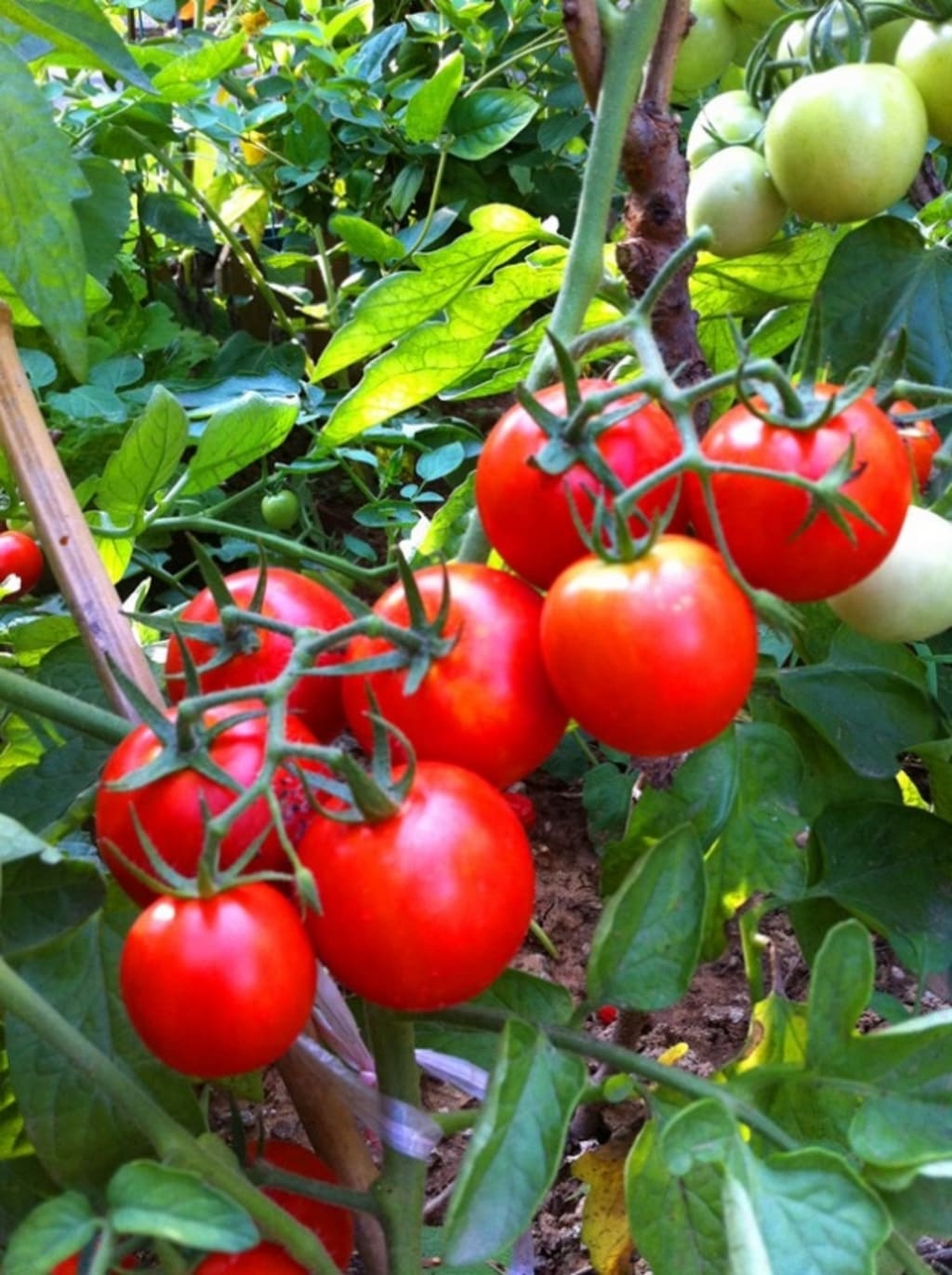
Therapeutic Effects and Principles of Tomatoes in Traditional Chinese Medicine (TCM)
In Traditional Chinese Medicine (TCM), tomatoes are not merely a nutritious food but also a functional ingredient with distinct medicinal properties. Rooted in the principles of yin-yang balance, meridian theory, and holistic health, TCM emphasizes how tomatoes interact with the body’s energy systems to address imbalances and promote wellness. Below is an exploration of tomatoes’ therapeutic roles and their underlying mechanisms from a TCM perspective.
1. Nature and Energetic Properties
Tomatoes are classified in TCM as sweet and sour in flavor with a slightly cold nature. They are believed to enter the Liver, Stomach, and Lung meridians, which governs their affinity for regulating these organ systems. Their cooling property makes them particularly suited for counteracting heat-related conditions, while their sourness stimulates digestive functions and fluid production.
2. Key Therapeutic Effects
A. Promotes Fluid Production and Quenches Thirst (生津止渴)Tomatoes are highly valued in TCM for their ability to generate body fluids and alleviate dryness. During summer or in cases of heat-induced fluid deficiency (e.g., excessive sweating, irritability, or dry mouth), their juicy, cooling nature helps replenish yin fluids. This aligns with TCM’s concept of “clearing summer heat” (清热解暑), making tomatoes a seasonal remedy for dehydration and heatstroke prevention.
Mechanism: The sour flavor stimulates saliva and gastric juice secretion, while the cold nature cools internal heat.
B. Strengthens Digestion (健胃消食)
The mild sourness of tomatoes activates the Stomach meridian, enhancing gastric acid secretion and improving appetite. TCM associates poor digestion with “stomach qi stagnation,” often caused by stress or dietary irregularities. Tomatoes help resolve this stagnation, particularly for individuals with bloating, indigestion, or loss of appetite.
Mechanism: Sourness triggers the Liver’s role in smoothing qi flow, indirectly supporting stomach function.
C. Cools Blood and Calms Liver Fire (凉血平肝)
Tomatoes are used to address Liver Yang Hyperactivity, a TCM syndrome marked by hypertension, dizziness, or red eyes. Their cooling nature suppresses excessive liver fire, which is often linked to emotional stress or dietary heat (e.g., spicy foods). Additionally, their blood-cooling action helps manage minor bleeding disorders like gum bleeding or nosebleeds caused by heat in the blood.
Mechanism: By entering the Liver meridian, tomatoes clear heat and redirect qi downward, stabilizing rising yang energy.
D. Detoxifies and Reduces Inflammation (清热解毒)
For mild inflammatory conditions such as sore throat or skin redness, tomatoes act as a gentle detoxifier. TCM attributes these issues to “toxic heat” accumulating in the lungs or skin. Their cold nature counteracts inflammation, while their fluid-generating property prevents excessive dryness from heat.
Mechanism: Cooling the Lung meridian reduces heat in the upper body, while antioxidants (e.g., lycopene) synergize with TCM’s detoxification principles.
3. Applications and Considerations
Ideal For: Individuals with heat-dominant constitutions (e.g., flushed face, thirst, constipation) or those recovering from heat-related illnesses.
Contraindications: People with spleen-stomach deficiency (cold limbs, loose stools) should limit raw tomato intake to avoid aggravating cold dampness. Cooking tomatoes or pairing them with warming ingredients like ginger neutralizes their coldness.
Dietary Synergy: Combine tomatoes with hydrating foods (cucumber, watermelon) for summer heat relief, or with lotus root and celery to enhance liver-cooling effects.
4. Integration with Modern Science
While TCM explains tomato benefits through energetic principles, modern studies validate their effects. For instance, lycopene’s anti-inflammatory properties align with TCM’s “heat-clearing” action, and vitamin C’s role in collagen synthesis supports TCM’s emphasis on skin health via yin nourishment.
Conclusion
Tomatoes exemplify TCM’s holistic approach, where food is medicine tailored to individual constitutions. By understanding their cooling nature, meridian affinities, and fluid-enhancing properties, one can harness tomatoes not only for nutrition but also as a strategic tool for balancing yin-yang and harmonizing organ functions. This integration of ancient wisdom and modern science underscores tomatoes’ timeless relevance in promoting health.
About the Creator
Keep reading
More stories from writers in Lifehack and other communities.
When a Piano Changes Address in Sarasota
In Sarasota, Florida, moving a piano is rarely treated as a simple task. It is approached with care, hesitation, and often a surprising amount of emotion. This is because a piano is never just an object in a home. It is a witness. It has listened to conversations, absorbed silences, and filled rooms with sound during moments that mattered. When it comes time to move it, people often realize they are not just relocating an instrument, but carrying a piece of their personal history into a new chapter.
By House Doctor4 days ago in Lifehack
How Programmatic Advertising Enhances Precision in Digital Ad Targeting
Digital advertising has experienced a quick transformation in the last 10 years and has transformed into a far less general, more manual, and more data-driven approach to target the right audience at the right time. With the competition for consumer attention increasing, companies are exploring smarter alternatives to provide consumers with relevant messages without spending the budget. It is here that automation and data are central to the current advertising approaches.
By Jane Smithhabout 21 hours ago in Lifehack
I've Just Realized
The President doesn't understand music. There. It felt very good to write that; it's some thing I just realized today. Oh , yes; he plays it. He TRUMPets it in rallies and meetings, pumps it across the airwaves when he gathers up our minutes waiting for his late arrival.
By Judey Kalchik 4 days ago in Beat




Comments
There are no comments for this story
Be the first to respond and start the conversation.