
Tiny Houses Australia: Embracing Minimalist Living Down Under
Tiny Houses Australia


The tiny house movement has taken the world by storm, and Australia is no exception. With its vast landscapes, diverse climates, and a growing interest in sustainable living, the country is a perfect canvas for the rise of tiny houses. These compact, thoughtfully designed homes offer a solution to skyrocketing housing costs, environmental concerns, and the desire for a simpler, more intentional lifestyle. In this 1000-word blog, we’ll explore the appeal of tiny houses in Australia, their benefits, challenges, and practical tips for getting started, while addressing the unique aspects of the Australian context.
What Are Tiny Houses?
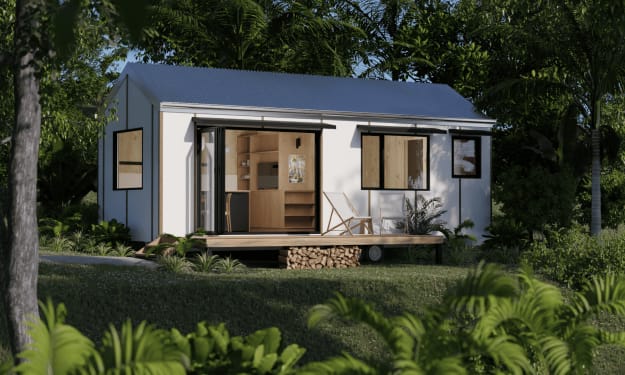
Tiny houses are small, fully functional homes typically ranging from 10 to 40 square meters. They can be built on wheels for mobility or fixed to a foundation for permanence. Designed to maximize space and efficiency, tiny houses include essentials like a kitchen, bathroom, sleeping area, and living space, often with clever storage and multi-purpose furniture. In Australia, the tiny house movement is driven by a desire for affordability, sustainability, and freedom from the burdens of large mortgages and excessive possessions.
Why Tiny Houses Are Gaining Popularity in Australia
Australia’s housing market is one of the most expensive in the world, particularly in cities like Sydney and Melbourne. Tiny houses offer an affordable alternative, with costs ranging from $20,000 for DIY kits to $150,000 for custom-built homes. Beyond affordability, they align with growing environmental consciousness, as their smaller footprint reduces energy consumption and waste. Additionally, tiny houses appeal to those seeking a minimalist lifestyle, allowing them to focus on experiences and relationships rather than material possessions. The flexibility of tiny homes—whether as primary residences, granny flats, or holiday rentals—further fuels their popularity.
Benefits of Tiny House Living
Living in a tiny house comes with a host of advantages:
- Affordability: Lower purchase and maintenance costs compared to traditional homes.
- Sustainability: Reduced energy use and the ability to incorporate eco-friendly features like solar panels and composting toilets.
- Mobility: Tiny houses on wheels allow owners to relocate easily, ideal for those with a nomadic spirit.
- Simplicity: Downsizing encourages decluttering and a focus on what truly matters.
- Versatility: Tiny houses can serve as primary homes, secondary dwellings, or income-generating rentals.
For many Australians, tiny houses represent financial freedom and a chance to live more sustainably in a country known for its natural beauty.
Challenges of Tiny House Living in Australia
While the benefits are compelling, tiny house living in Australia comes with challenges. One major hurdle is navigating local council regulations, which vary widely across states and municipalities. Tiny houses on wheels are often classified as caravans, which can limit where they can be parked long-term. Fixed tiny homes must comply with building codes, which can be complex and costly. Additionally, finding suitable land for a tiny house can be difficult, particularly in urban areas. Other challenges include limited space for families or those accustomed to larger homes and the need for careful planning to ensure comfort in Australia’s diverse climates.
Navigating Regulations and Building Codes
Understanding Australia’s regulatory landscape is crucial for aspiring tiny house owners. Permanent tiny homes Australia must adhere to the National Construction Code (NCC) and local council requirements, which cover aspects like structural integrity, plumbing, and electrical systems. Konpak, a leading tiny home builder in Northern NSW, assists clients with council approvals, ensuring compliance while maintaining design integrity. Tiny houses on wheels face fewer building code restrictions but may be subject to caravan park regulations or limitations on long-term parking. Researching local laws and consulting with experts can help navigate these complexities, making the transition to tiny living smoother.
Designing a Tiny House for Australian Conditions
Australia’s climate, from tropical Queensland to temperate Tasmania, demands thoughtful design. Tiny houses must be built to withstand extreme weather, including heatwaves, heavy rain, and bushfires in some regions. Key design considerations include:
- Passive Design: Incorporating insulation, cross-ventilation, and shading to maintain comfort without excessive energy use.
- Durable Materials: Using corrosion-resistant steel frames and termite-proof materials for longevity.
- Off-Grid Features: Solar panels, rainwater tanks, and composting toilets for self-sufficiency, especially in remote areas.
Companies like Konpak emphasize passive design principles, tailoring homes to local conditions for year-round comfort and sustainability.
Where to Build or Park a Tiny House
Finding a place for your tiny house is a critical step. Options include:
- Private Land: Purchasing or leasing land, though zoning restrictions may apply.
- Backyards: Many Australians place tiny houses on family or friends’ properties as secondary dwellings (e.g., granny flats).
- Tiny House Communities: Emerging in Australia, these communities offer shared amenities and a sense of belonging.
- Caravan Parks: Suitable for tiny houses on wheels, though long-term stays may be limited.
Rural areas like Northern NSW and South East Queensland offer more flexibility, while urban councils tend to have stricter rules.
Getting Started with Your Tiny House
Ready to embrace tiny living? Here’s how to begin:
- Research: Explore designs, builders, and local regulations. Websites like Konpak’s offer inspiration and practical advice.
- Budget: Determine your budget, factoring in the cost of the home, land, and any off-grid systems.
- Choose a Builder or DIY: Work with professionals for a custom build or opt for a DIY kit for a hands-on experience.
- Plan for Land: Secure a location and confirm compliance with local laws.
- Customize: Collaborate with designers to create a space that reflects your lifestyle and needs.
Conclusion
Tiny houses in Australia are more than a trend—they’re a lifestyle choice that offers affordability, sustainability, and freedom. Despite challenges like regulations and land access, the benefits of minimalist living, financial independence, and a smaller environmental footprint make tiny houses an attractive option. With innovative designs and builders like Konpak leading the way, Australians have more opportunities than ever to embrace this movement. Whether you’re dreaming of a mobile tiny home or a permanent retreat, now is the perfect time to explore the possibilities of tiny living Down Under.
FAQs
Are tiny houses legal in Australia?
Yes, but regulations vary by state and council. Tiny houses on wheels are often classified as caravans, while fixed tiny homes must comply with building codes. Check with your local council for specific rules.
How much does a tiny house cost in Australia?
Costs range from $20,000 for DIY kits to $150,000 for custom-built homes, depending on size, materials, and features like off-grid systems.
Can I live in a tiny house full-time?
Absolutely, many Australians live in tiny houses full-time, either on private land, in backyards, or in tiny house communities. Ensure compliance with local regulations for long-term living.
Do tiny houses hold their value?
Tiny houses can retain value, especially high-quality, custom-built ones. However, resale value depends on factors like design, condition, and market demand.
How do I find land for my tiny house?
Options include purchasing private land, leasing, placing the home in a backyard, or joining a tiny house community. Rural areas often offer more flexibility than urban ones.
About the Creator
Konpak Tiny Homes
Konpak Tiny Homes, located in South Murwillumbah, NSW, designs sustainable and adaptable tiny homes built to suit the local climate. With a focus on custom craftsmanship, they seamlessly integrate functionality, comfort, and innovation,
Keep reading
More stories from Konpak Tiny Homes and writers in Lifehack and other communities.
The Ultimate Guide to Tiny House Kits: Everything You Need to Know
Introduction to Tiny House Kits Definition of Tiny House Kits Tiny house kits are pre-designed packages that include all the necessary materials and instructions to build a small house. These kits provide a streamlined approach to constructing a tiny home, making it accessible for many. Typically, they come with wall panels, roofing materials, and even plumbing and electrical components, depending on the package.
By Konpak Tiny Homes11 months ago in Lifehack



Comments
There are no comments for this story
Be the first to respond and start the conversation.