
The Ultimate Guide to Cooking with Herbs
Unlock the full potential of your dishes by mastering the art of cooking with herbs.

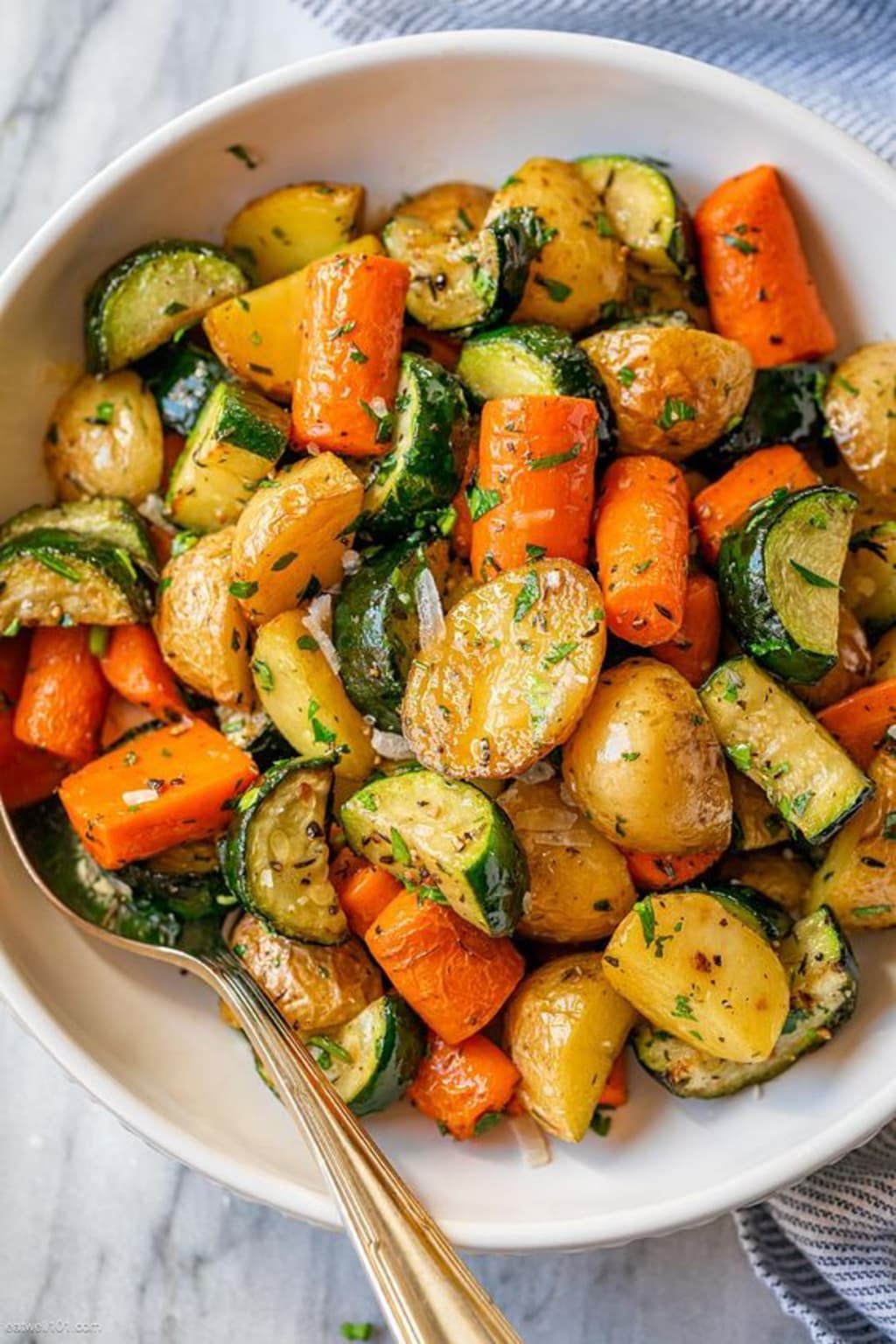
Herbs have been used for centuries to enhance the flavors of food, and they are a staple in kitchens around the world. They can transform ordinary dishes into extraordinary culinary experiences. Whether you’re a seasoned cook or just starting out, this ultimate guide will help you understand how to use herbs to elevate your cooking.
1. The Basics of Cooking with Herbs
Understanding the essentials of fresh and dried herbs.
Herbs are divided into two main categories: fresh and dried. Fresh herbs like basil, cilantro, and parsley are often added at the end of cooking to preserve their flavor. Dried herbs, such as oregano, thyme, and rosemary, have a more concentrated flavor and can be added earlier in the cooking process. Knowing when and how to use these herbs can make a significant difference in your dishes.
2. Common Culinary Herbs and Their Uses
Explore the diverse world of herbs and their culinary applications.
Basil: Often used in Italian dishes, basil pairs well with tomatoes, garlic, and olive oil. It’s a key ingredient in pesto and adds a fresh touch to salads, pizzas, and pastas.
Cilantro: Popular in Mexican, Indian, and Thai cuisine, cilantro adds a bright, citrusy flavor to salsas, curries, and soups.
Thyme: This versatile herb is great for seasoning meats, vegetables, and soups. Its earthy flavor works well in roasts and stews.
Rosemary: Known for its pine-like aroma, rosemary is perfect for roasted meats, potatoes, and bread.
Parsley: A mild, slightly peppery herb, parsley is often used as a garnish but also enhances the flavor of soups, salads, and marinades.
Oregano: Common in Mediterranean cuisine, oregano pairs well with tomatoes, olives, and grilled meats. It’s a staple in pizza and pasta sauces.
3. Growing Your Own Herb Garden
Cultivating fresh herbs at home for a constant supply of flavor.
Growing your own herbs is not only satisfying but also ensures you have fresh herbs at your fingertips. Most herbs are easy to grow and require minimal care. You can start with a small indoor herb garden or plant them in your backyard. Basil, thyme, rosemary, parsley, and cilantro are great choices for beginners. Make sure they receive plenty of sunlight and water them regularly.
4. Preserving Herbs for Later Use
Methods to store and preserve herbs to maintain their flavor.
If you have an abundance of fresh herbs, preserving them for later use is a great idea. You can dry them by hanging bunches in a warm, dry place or using a dehydrator. Once dried, store them in airtight containers. Freezing is another option; chop the herbs and place them in ice cube trays with a bit of water or oil. This way, you can easily add them to your dishes as needed.
5. Cooking Techniques with Herbs
Incorporating herbs into your cooking for maximum flavor.
Infusing: Add herbs to oils, vinegars, and broths to infuse their flavor. For example, rosemary-infused olive oil can be drizzled over roasted vegetables.
Chopping and Mincing: Properly chopping or mincing herbs can release their essential oils and enhance their flavor. Use a sharp knife and gentle rocking motion to avoid bruising the herbs.
Garnishing: Fresh herbs make a beautiful and flavorful garnish. Sprinkle chopped parsley, cilantro, or basil over finished dishes to add a burst of freshness.
Herb Blends: Create your own herb blends, such as Italian seasoning or herbes de Provence, to add complexity to your dishes.
6. Experimenting with Herb Combinations
Unlock new flavors by combining different herbs.
Don’t be afraid to experiment with different herb combinations to find new flavor profiles. Some classic pairings include basil and oregano for Italian dishes, cilantro and mint for Thai cuisine, and rosemary and thyme for roasts. Mixing herbs can add depth and complexity to your dishes.
Conclusion
Cooking with herbs is an art that can elevate your culinary creations to new heights. By understanding the basics, growing your own herbs, and experimenting with different combinations, you can enhance the flavor and presentation of your dishes. Embrace the world of herbs and let your creativity flourish in the kitchen. Happy cooking! 🌿🍽️
About the Creator
Stella Bang
Creative writer passionate about storytelling. With a background in creative writing, I love exploring diverse genres and weaving words into captivating narratives. Always on the lookout for new adventures and inspirations.
Keep reading
More stories from Stella Bang and writers in Lifehack and other communities.
10 Simple and Delicious Soup Recipes
There's nothing quite like a bowl of hot soup to comfort and nourish you, especially on chilly days. These ten simple and delicious soup recipes are perfect for any occasion, from quick weeknight dinners to leisurely weekend meals. Let's dive into the world of homemade soups that are not only easy to prepare but also full of flavor and goodness.
By Stella Bangabout a year ago in Lifehack
Practical Bunk Bed Designs for Family Homes That Simplify Daily Life
Family homes are busy places. Children need space to sleep, play, read, and relax, often all in the same room. When furniture does not work well, daily routines can feel harder than they need to be.
By Shahid Sipra7 days ago in Lifehack
🅼🅸🅳🅽🅸🅶🅷🆃 🆂🅽🅰🅲🅺🆂
"It's 10 in Tuscon! We all know what that means... It's Time for Midnight Snacks with your man, Gerald Gee! Ready to spend the night together? Me too! I'm full of snacks and can't wait to regurgitate them all back into your hungry ears. Crack a brew! Pop some corn! Anything to get ready for one hell of a show where the talk maybe cheap but the words cut deep...
By Lamar Wiggins7 days ago in Fiction



Comments
There are no comments for this story
Be the first to respond and start the conversation.