
The Ultimate Guide to Choosing the Best Reverse Osmosis Water Filtration System
Best Reverse Osmosis Water Filtration System

Clean drinking water is a basic necessity, yet ensuring that your tap water is free of contaminants can be a challenge. With increasing concerns about water quality, more people are turning to reverse osmosis (RO) systems as a dependable solution for their homes. However, choosing the best reverse osmosis water filtration system can be a daunting task with so many options available. This guide will help you navigate the selection process and make an informed decision, ensuring that you invest in a system that meets your needs.
Understanding Reverse Osmosis: How It Works
Before diving into what makes the best reverse osmosis water filtration system, it’s important to understand how RO works. Reverse osmosis is a process that removes impurities from water by forcing it through a semi-permeable membrane. This membrane blocks contaminants, allowing only clean water molecules to pass through. The result is water that is significantly purer than what typically comes from the tap.
Key Factors to Consider When Choosing an RO System
When looking for the best reverse osmosis water filtration system, several factors come into play. Understanding these elements will help you choose a system that aligns with your household needs.
1. Water Quality
The first step in choosing an RO system is understanding your current water quality. This includes knowing what contaminants are present in your water supply. A simple water test can reveal whether your water contains high levels of chlorine, lead, arsenic, nitrates, or other harmful substances. Once you know what you’re dealing with, you can choose an RO system that effectively targets those specific contaminants.
2. Filtration Stages
The effectiveness of an RO system is often determined by the number of filtration stages it includes. Basic systems typically have three to five stages, while more advanced models can have up to seven or more. Each stage is designed to remove different types of impurities:
Pre-filters: These remove larger particles like sediment and chlorine, which can damage the RO membrane.
RO Membrane: This is the heart of the system, removing up to 99% of contaminants.
Post-filters: These final filters improve the taste and odor of the water.
Consider a system with multiple stages if your water is heavily contaminated or if you want the purest water possible.
3. System Size and Water Output
Another important consideration is the size of the RO system and its water output. If you have a large family or use a significant amount of water daily, you’ll need a system that can produce enough filtered water to meet your demands. Most systems specify their daily output in gallons per day (GPD). A typical household might need a system that produces 50-100 GPD, but if you use water for cooking, cleaning, and drinking, you might require more.
Additionally, the size of the system matters in terms of installation. Ensure that the unit will fit in your designated space, whether it’s under the sink or in a basement utility area.
4. Maintenance Requirements
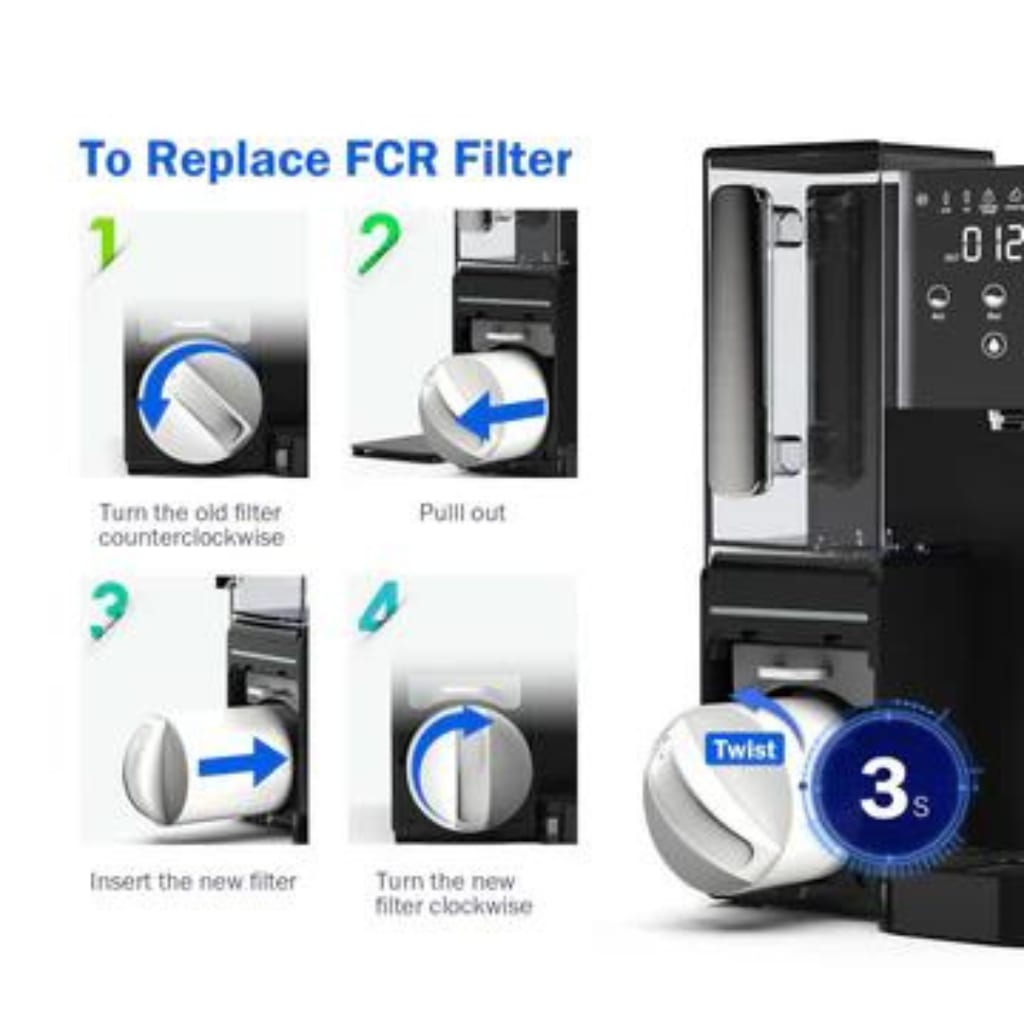
Like any home appliance, an RO system requires regular maintenance to function properly. This includes replacing filters and membranes periodically. Before purchasing, check how often the filters need to be replaced and the cost involved. Some systems have easy-to-replace cartridges, while others might require more effort and expense. Choosing a system with a clear maintenance schedule and accessible parts will save you time and hassle in the long run.
5. Water Efficiency
RO systems work by filtering out impurities, but this process also produces wastewater. The ratio of filtered water to wastewater can vary significantly between systems. More efficient systems produce less wastewater, which is better for both the environment and your water bill. Look for systems that have a higher water recovery rate or those that offer features to reduce wastewater production.
6. Certifications and Standards
To ensure the quality and safety of your RO system, look for certifications from recognized organizations such as NSF International. NSF certifications indicate that the system has been tested and meets specific standards for contaminant reduction. Additionally, systems that are compliant with Water Quality Association (WQA) standards can give you peace of mind that the water you’re drinking is truly safe.
Common Types of Reverse Osmosis Systems
There are several types of RO systems available, each suited to different needs and installation preferences.
1. Under-Sink RO Systems
These are the most common type of RO systems and are installed under the kitchen sink. They are compact, convenient, and provide a dedicated faucet for drinking water. Under-sink systems are ideal for most households, as they are easy to install and maintain.
2. Countertop RO Systems
Countertop systems are portable and easy to install, requiring no plumbing modifications. They connect directly to your faucet and are a good option for renters or those who don’t want a permanent installation. However, they may have lower water output compared to under-sink systems.
3. Whole-House RO Systems
For those who want purified water throughout their entire home, a whole-house RO system is the way to go. These systems are installed at the point where water enters the home, ensuring that every tap delivers purified water. While more expensive and complex to install, they offer comprehensive water treatment for every use.
Installation and Setup Considerations
Installing an RO system can vary in complexity depending on the type of system you choose. Under-sink and countertop systems are generally easier to install and might only require basic plumbing skills. However, whole-house systems typically require professional installation due to their size and complexity.
Before purchasing, check whether the system comes with detailed instructions or if the manufacturer offers customer support for installation. Some companies, like Pristine Pure, offer professional installation services to ensure your system is set up correctly and efficiently.
Long-Term Costs and Value
While the initial cost of an RO system is an important consideration, you should also think about the long-term costs. This includes the price of replacement filters, membranes, and any potential repair costs. A high-quality system might have a higher upfront cost but could save you money over time by requiring less maintenance or producing less wastewater.
Investing in the best reverse osmosis water filtration system for your home is an investment in your health and well-being. Clean water is essential, and the right system will ensure that you have access to it every day without the need for bottled water or other costly alternatives.
Conclusion: Making the Right Choice for Your Home
Choosing the best reverse osmosis water filtration system requires careful consideration of your household’s specific needs, your budget, and the quality of your water. By understanding how RO systems work, evaluating the key factors discussed above, and considering your long-term goals, you can select a system that will provide you with clean, safe water for years to come.
At Pristine Pure, we understand the importance of clean water, which is why we offer a range of high-quality reverse osmosis systems designed to meet the needs of every home. Whether you’re looking for a simple under-sink system or a comprehensive whole-house solution, we have the expertise and products to help you make the best choice. Visit our website to explore our selection and find the perfect RO system for your home.
About the Creator
Pristine Pure
PristinePure, Australia's most trusted source for premier alkaline water solutions, offers the Best Water Filter in Australia. We specialize in Alkaline Water Filter systems that ensure pure, great-tasting water for everyone.
Keep reading
More stories from writers in Lifehack and other communities.
From Sliders to AI: How Photo Editing Tools Evolved in 2026
Not long ago, photo editing was a slow and technical process. Creators spent hours adjusting sliders, layering masks, correcting colors, and zooming in pixel by pixel to achieve the desired result. Brightness, contrast, exposure, sharpness—every small change required manual effort and a fair amount of patience. For professionals, this workflow was familiar. For beginners, it was often intimidating.
By Shahid Sipra4 days ago in Lifehack
Aroma vs Black and Decker Rice Cooker: Which One Is Better for the Kitchen?
When it comes to the Aroma vs Black and Decker rice cooker, the real question is simple: which one cooks better rice for your daily meals? I’ve looked at the features, cooking speed, ease of cleaning, and what I notice most is how each fits different kitchen needs in the U.S., from small apartments to busy family homes.
By Mohammed mamun4 days ago in Lifehack
If You Write A Book, Don’t Tell Anyone
There are days when I’m grateful Amazon doesn’t tell me specifically who has bought my book and who hasn’t. If they did, I would be heartbroken when I read the list and noticed all the important names in my life were not on my list of customers.
By Ellen Frances7 days ago in Writers



Comments
There are no comments for this story
Be the first to respond and start the conversation.