
The Ultimate Guide to Building an Emergency Fund: Your Financial Safety Net
Be protected through it all
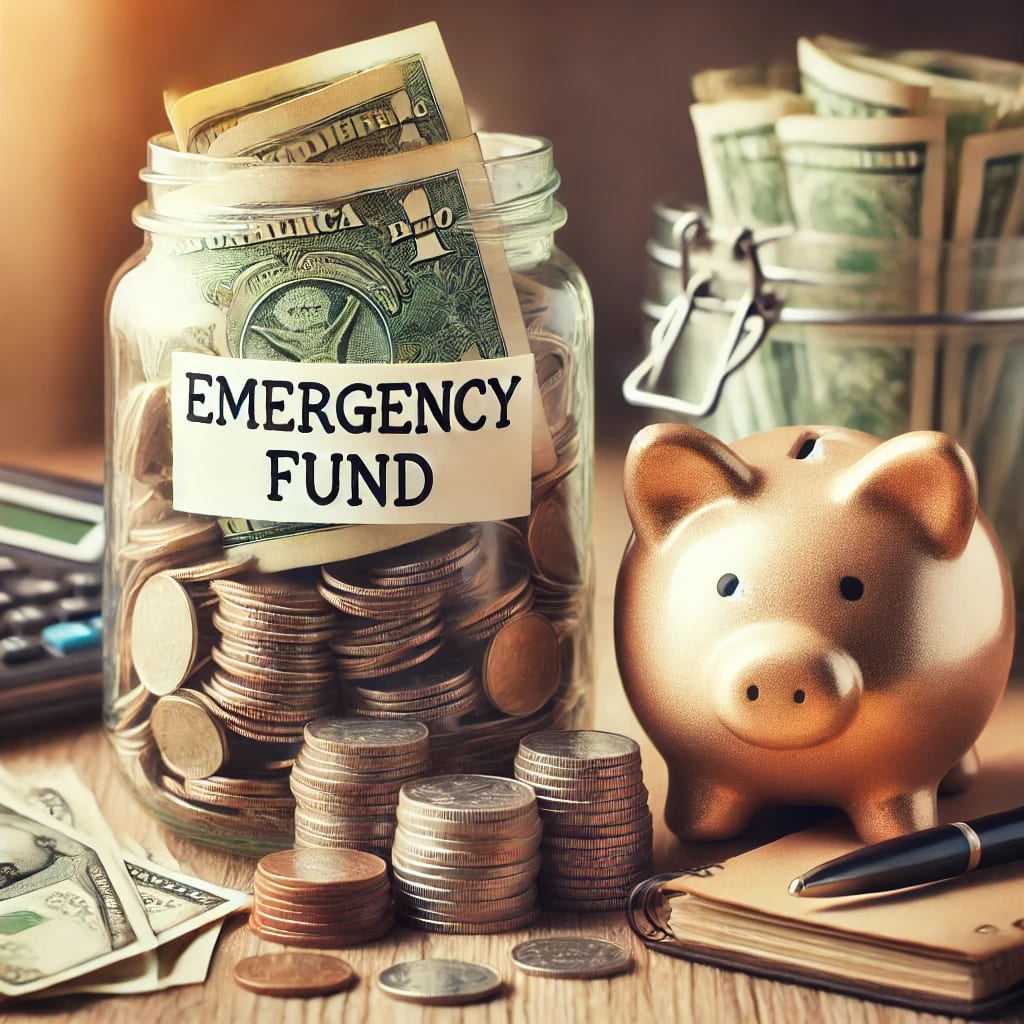
In the unpredictable journey of life, unexpected expenses can arise at any moment—a sudden medical bill, car repairs, or even job loss. Without a financial cushion, such events can lead to debt and financial stress. This is where an emergency fund becomes indispensable. This comprehensive guide will walk you through the importance of an emergency fund, how to build one, and strategies to maintain it effectively.
What is an Emergency Fund?
An emergency fund is a dedicated savings account designed to cover unforeseen expenses. It acts as a financial buffer, preventing you from resorting to high-interest loans or credit cards during emergencies. According to the Consumer Financial Protection Bureau, an emergency fund is essential for protecting yourself from unexpected financial shocks and staying on track with your savings goals. 
Why is an Emergency Fund Important?
1. Financial Security: Having readily available funds ensures you can handle emergencies without disrupting your financial stability.
2. Debt Prevention: Access to emergency savings reduces the need to incur debt during unforeseen circumstances.
3. Peace of Mind: Knowing you have a safety net alleviates stress and allows you to focus on other financial goals.
How Much Should You Save?
The ideal size of an emergency fund varies based on individual circumstances. However, financial experts generally recommend:
• Three to Six Months of Expenses: This range provides a cushion for most situations, such as temporary unemployment or major repairs. 
• Factors to Consider:
• Job Stability: If your income is irregular or your job is less secure, aim for the higher end of the range.
• Dependents: More dependents may require a larger fund.
• Existing Debt: High debt levels might necessitate a more substantial emergency fund.
Steps to Build Your Emergency Fund
1. Assess Your Monthly Expenses: Calculate essential monthly costs, including housing, utilities, groceries, transportation, and insurance.
2. Set a Savings Goal: Based on your expense assessment, determine the total amount needed to cover three to six months of expenses.
3. Create a Budget: Allocate a portion of your income specifically for emergency savings. Utilize budgeting tools or apps to track progress.
4. Automate Savings: Set up automatic transfers to your emergency fund to ensure consistent contributions.
5. Start Small and Increase Gradually: Begin with attainable goals, such as saving $500, and gradually increase as your financial situation improves.
Where to Keep Your Emergency Fund
Accessibility and security are paramount when choosing where to store your emergency fund. Consider the following options:
• High-Yield Savings Accounts: These accounts offer higher interest rates than traditional savings accounts, allowing your money to grow while remaining accessible. 
• Money Market Accounts: Typically offering competitive interest rates with check-writing privileges, providing both growth and liquidity.
• Avoid Risky Investments: Steer clear of stocks or mutual funds for your emergency fund, as market volatility can jeopardize your principal.
Strategies to Maintain and Grow Your Fund
1. Regularly Review and Adjust: Periodically reassess your fund to ensure it aligns with your current expenses and financial goals.
2. Replenish After Use: If you tap into your emergency fund, prioritize rebuilding it to its original level.
3. Avoid Temptation: Resist using the fund for non-emergencies by keeping it separate from other accounts.
4. Increase Contributions with Income Growth: As your income rises, consider increasing your savings rate to bolster your emergency fund.
Common Mistakes to Avoid
• Neglecting to Start: Procrastination can leave you vulnerable. Begin saving, even if the initial amount is small.
• Underestimating Expenses: Ensure your fund accurately reflects your essential living costs.
• Using the Fund for Non-Emergencies: Maintain discipline to preserve the fund for genuine emergencies.
Conclusion
Building an emergency fund is a fundamental step toward financial resilience. It empowers you to handle life’s uncertainties with confidence and prevents financial setbacks from derailing your long-term goals. Start today, remain consistent, and watch your financial security grow.
About the Creator
Keep reading
More stories from Jordan Henner and writers in Lifehack and other communities.
Investing 101: A Beginner’s Guide to Building Wealth
Embarking on the journey of investing can seem daunting, especially for beginners. However, with the right knowledge and strategies, investing becomes a powerful tool to build wealth and secure your financial future. This comprehensive guide will introduce you to the fundamentals of investing, helping you make informed decisions and set the foundation for long-term financial success.
By Jordan Hennerabout a year ago in Lifehack
Top Attractions of the Everest Region: Gokyo Lakes and Ama Dablam Peak
The Everest Region is famous for its majestic mountains, especially the highest peak in the world, but there is much more to explore beyond Everest. There lie pristine and lesser-known gems waiting to be explored with relatively fewer people around.
By Alex Winslow5 days ago in Lifehack
Hottest in the Office
Dear Rafi, You’re very distracting to work around. For the first second I saw you the other day, I thought you were some type of executive. It took a moment to realize no, you were just the new guy, dressed up for the job he wants. Be still, my heart.
By Gabriel Shames3 days ago in Pride



Comments
There are no comments for this story
Be the first to respond and start the conversation.