
The Ultimate Guide to Building an Emergency Fund
Stay protected with your emergency fund!

In today’s unpredictable world, financial stability is more crucial than ever. An emergency fund serves as a financial safety net, providing peace of mind and security during unforeseen circumstances. Whether it’s a sudden medical expense, job loss, or unexpected home repair, having a well-established emergency fund can prevent financial turmoil. This comprehensive guide will walk you through the steps to build and maintain an effective emergency fund, ensuring you’re prepared for whatever life throws your way.
Understanding the Importance of an Emergency Fund
An emergency fund is a dedicated savings account designed to cover unexpected expenses without derailing your financial goals. Unlike regular savings, this fund is reserved exclusively for emergencies, ensuring you don’t resort to high-interest debt during challenging times.
Key Benefits:
• Financial Security: Protects against unforeseen expenses, reducing stress and anxiety.
• Debt Prevention: Helps avoid reliance on credit cards or loans, which can lead to debt accumulation.
• Peace of Mind: Knowing you have a financial cushion allows you to focus on long-term goals without constant worry.
Determining the Right Amount for Your Emergency Fund
The ideal size of your emergency fund depends on various factors, including your income, expenses, and personal circumstances. Financial experts typically recommend saving three to six months’ worth of living expenses. However, this can vary based on individual needs.
Considerations:
• Employment Stability: If you have a stable job, three months’ expenses may suffice. For those with variable income or in high-risk industries, aim for six to twelve months.
• Dependents: Families with children or dependents should consider a larger fund to cover additional expenses.
• Health and Lifestyle: Individuals with health concerns or high living costs may need a more substantial fund.
Steps to Build Your Emergency Fund
1. Assess Your Monthly Expenses
Begin by calculating your essential monthly expenses, including:
• Housing (rent or mortgage)
• Utilities
• Groceries
• Transportation
• Insurance premiums
• Debt payments
This total will serve as the basis for determining your emergency fund goal.
2. Set a Realistic Savings Goal
Based on your monthly expenses, decide on the total amount you aim to save. For example, if your monthly expenses are $3,000, a six-month emergency fund would be $18,000.
3. Create a Budget
Develop a budget that allocates a portion of your income toward building your emergency fund. Identify areas where you can reduce spending to increase your savings rate.
4. Automate Your Savings
Set up automatic transfers from your checking account to a dedicated savings account. Automating this process ensures consistent contributions and reduces the temptation to spend.
5. Choose the Right Savings Account
Opt for a high-yield savings account that offers competitive interest rates, allowing your money to grow over time. Ensure the account is easily accessible but separate from your regular checking to avoid impulsive withdrawals.
6. Increase Income Streams
Consider side hustles or freelance work to boost your income. Direct any additional earnings toward your emergency fund to reach your goal faster.
7. Reevaluate and Adjust
Regularly review your progress and adjust your savings plan as needed. Life circumstances change, and your emergency fund should reflect your current situation.
Maintaining and Using Your Emergency Fund
Once you’ve built your emergency fund, it’s essential to manage it wisely.
Guidelines:
• Use Only for True Emergencies: Reserve the fund for unexpected, necessary expenses. Avoid dipping into it for non-essential purchases.
• Replenish After Use: If you withdraw from your emergency fund, prioritize replenishing it to maintain your financial safety net.
• Regularly Review Your Fund: As your expenses and lifestyle change, reassess your emergency fund to ensure it remains adequate.
Common Challenges and Solutions
Building an emergency fund can be challenging, but with determination and strategic planning, it’s achievable.
Challenges:
• Limited Income: If your income is tight, start small. Even saving $10 a week adds up over time.
• Unexpected Expenses: Life happens. If an unexpected expense arises, adjust your budget temporarily to accommodate savings.
• Lack of Discipline: Automating savings and setting clear goals can help maintain consistency.
The Role of Mindset in Building an Emergency Fund
Cultivating a positive financial mindset is crucial. View your emergency fund as a priority, not an option. Celebrate milestones along the way to stay motivated and committed to your financial well-being.
Conclusion
An emergency fund is a cornerstone of financial health, providing stability and peace of mind in uncertain times. By assessing your needs, setting clear goals, and maintaining disciplined savings habits, you can build a robust emergency fund that safeguards your future. Start today, and take the first step toward financial security.
About the Creator
Keep reading
More stories from Jordan Henner and writers in Lifehack and other communities.
Retirement Savings Hacks for Millennials and Gen Z
For Millennials and Gen Z, retirement may seem a long way off. But starting to save now can mean the difference between financial freedom and a struggle to make ends meet later in life. Unfortunately, student loan debt, high living costs, and job instability have made saving for retirement challenging for many in these generations. The good news? With the right hacks and strategies, Millennials and Gen Z can build a solid retirement fund without sacrificing their current lifestyle. Here’s a complete guide to some of the best retirement savings hacks for young adults, designed to get you on track for a secure future.
By Jordan Hennerabout a year ago in Lifehack
DIY Herbal Remedies Anyone Can Make
There's something deeply satisfying about growing your own medicinal herbs. For centuries, our ancestors relied on backyard gardens not just for food, but for natural remedies that supported their health and well-being.
By Edward Smith4 days ago in Lifehack
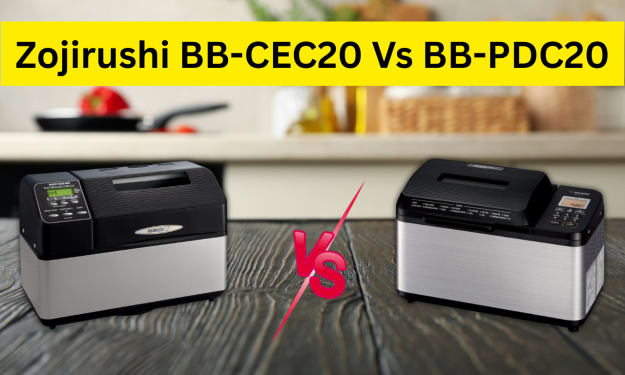
Zojirushi BB-CEC20 Vs BB-PDC20: Which One Should You Buy?
Choosing between the Zojirushi BB-CEC20 Vs BB-PDC20 can feel tricky when both promise great homemade bread. I like how each model focuses on ease and consistent results, but I notice small differences that matter for everyday baking in a typical U.S. kitchen. Here’s how the Zojirushi BB-CEC20 vs BB-PDC20 compares so you can quickly decide which one fits your routine best.
By Mohammed mamun3 days ago in Lifehack



Comments
There are no comments for this story
Be the first to respond and start the conversation.