
The Ultimate Guide to Budgeting and Forecasting
Master budgeting and forecasting with this easy guide. Learn to plan, track, and predict your business finances for smarter decisions and steady growth.

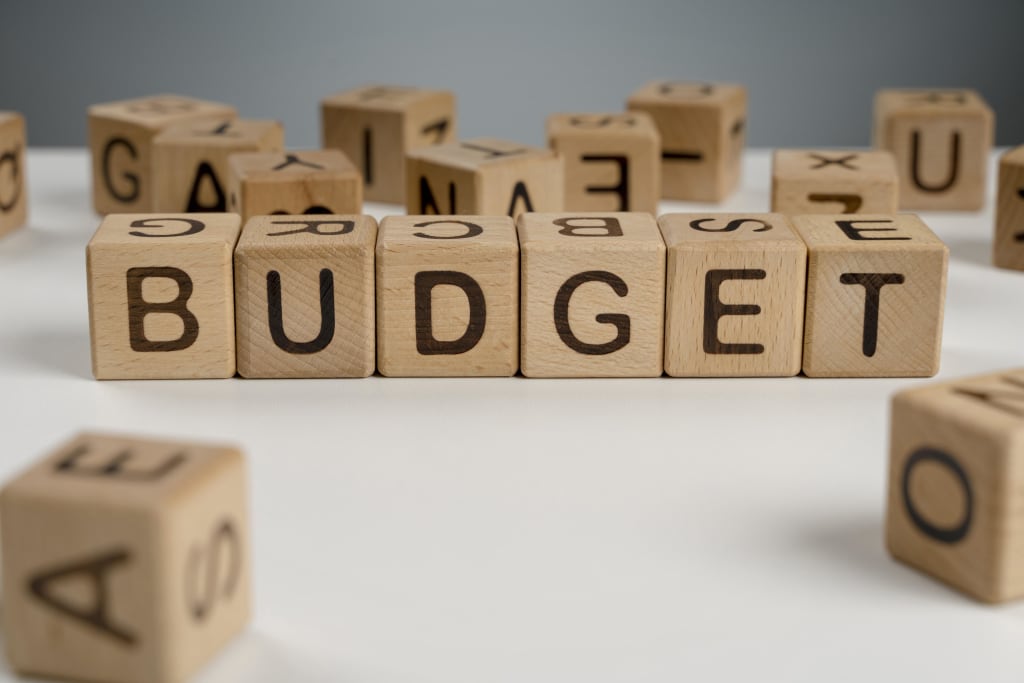
In today’s dynamic and highly unpredictable economic environment, maintaining control over business finances is more important than ever. Volatile markets, shifting customer demands, and global disruptions make it essential for organisations to plan proactively and adapt quickly. This is where budgeting and forecasting services step in—providing the structure, automation, and analytics required to ensure financial clarity and resilience.
While budgeting sets financial goals and helps manage expenditures, forecasting provides the predictive power to anticipate future outcomes based on trends and historical data. Together, they form the foundation of a sound financial strategy that supports decision-making, risk mitigation, and long-term growth.
What is Budgeting?
Budgeting is the structured process of planning a business’s expected revenues, expenses, and cash flows over a defined period. It acts as a financial guide that outlines the strategic allocation of resources aligned with business goals. Businesses use budgeting to set spending limits, monitor financial performance, and improve accountability across departments.
Types of Budgets
Depending on organisational needs, budgeting and forecasting services can help businesses create and manage various types of budgets. These services enable organisations to automate and centralise their budgeting processes with better accuracy and control.
- Master Budget
A holistic, organisation-wide financial plan that integrates all departmental budgets into one comprehensive blueprint.
- Operating Budget
Tracks the ongoing expenses and revenues tied to a company’s core business activities, helping ensure day-to-day operations remain financially sustainable.
- Financial Budget
Focuses on the business’s capital structure, including projections for debt, equity, capital investments, and cash positions.
- Cash Flow Budget
Anticipates cash inflows and outflows over a given period, helping ensure liquidity and avoid shortfalls.
- Static Budget
A fixed budget is used primarily for performance measurement and variance analysis, offering a stable comparison point.
What is Forecasting?
Forecasting is the analytical process of using historical data, current trends, and predictive models to estimate future financial conditions. By identifying potential outcomes before they occur, businesses can better prepare for challenges and capitalise on opportunities.
Budgeting and forecasting services provide advanced tools such as machine learning, data visualisation, and real-time modelling to help finance teams generate accurate and actionable forecasts.
Types of Forecasting
Here’s a breakdown of the major types of financial forecasting methods that businesses can leverage through these services:
- Qualitative Forecasting
Based on expert judgment and market insights, this method is ideal when historical data is limited or when dealing with new markets or products.
- Quantitative Forecasting
Uses statistical models and historical data patterns to predict future outcomes. It’s ideal for established companies with consistent financial data.
- Causal Forecasting
Involves understanding cause-and-effect relationships between variables, such as how marketing spending influences sales, for more nuanced predictions.
Benefits of Budgeting and Forecasting Services
Modern businesses are increasingly turning to budgeting and forecasting services to replace manual spreadsheets and outdated processes. These services provide a centralised, AI-powered platform that simplifies financial planning and offers unmatched accuracy, speed, and insight.
Key Benefits
- Enhanced Financial Management
Integrates all financial data to improve visibility and support data-driven decisions.
- Improved Decision-Making
Allows executives to make timely, well-informed choices backed by predictive insights.
- Greater Accountability
Promotes ownership across departments by tying budget input to strategic performance.
- Strategic Alignment
Ensures financial planning supports long-term goals, resource prioritisation, and market positioning.
- Faster Reporting Cycles
Reduces time spent on data collection, validation, and reporting with real-time dashboards.
Steps to Budget and Forecast Effectively
For budgeting and forecasting to deliver their full value, businesses must follow a structured, collaborative, and tech-enabled process. Budgeting and forecasting services offer a reliable framework and tools to streamline these steps.
Implementation Steps
- Define Goals and Objectives
Clarify what the organisation aims to achieve financially within a specific time frame.
- Gather Historical Data
Collect performance data to identify patterns and establish baselines.
- Involve Stakeholders
Engage cross-functional teams to provide input and align goals across departments.
- Choose the Right Methodology
Select planning techniques that best suit your business (e.g., rolling forecasts or zero-based budgeting).
- Develop Assumptions
Base your forecasts on sound assumptions derived from market analysis and internal trends.
- Create Budgets and Forecasts
Build detailed financial plans using centralised tools that integrate with your systems.
- Monitor and Review Regularly
Track performance vs. projections and identify variances early.
- Communicate Results
Ensure all teams have visibility into performance metrics and expectations.
- Adjust as Needed
Respond to internal or external changes with real-time revisions.
- Evaluate and Learn
Post-cycle reviews help refine future processes and improve forecast accuracy.
Boost Your Budgeting and Forecasting
At HighRadius, we help companies transition from manual processes to intelligent financial planning systems. Our budgeting and forecasting services are powered by AI and built for ease of use, scalability, and deep financial insight.
Whether it’s cash flow visibility, forecasting accuracy, or faster close cycles, our platform delivers enterprise-grade performance through:
- Integrated banking and ERP connections
- Historical data modelling and machine learning
- Snapshot versions, variance grids, and customisable templates
- Forecast collaboration across teams in real-time
Our tools are trusted by finance leaders worldwide to support strategic transformation and improve financial outcomes.
Conclusion
In today’s complex business environment, organisations cannot afford to rely on outdated and error-prone planning processes. Budgeting and forecasting are essential functions, but without the right tools, they can become a burden rather than a strategic advantage. By leveraging modern budgeting and forecasting services, businesses gain the clarity, control, and agility needed to plan confidently for the future. These services allow companies to proactively respond to change, align financial operations with strategic goals, and empower teams with accurate insights. In doing so, they enable organisations to drive growth, mitigate risk, and achieve lasting success.
About the Creator
John Jenner
John Jenner is an expert in digital marketing who has worked for several Sydney-based agencies. He's passionate about social media, content and SEO strategies that he delivers well researched actionable resources to help you succeed!
Keep reading
More stories from John Jenner and writers in Lifehack and other communities.
Easy Accounting Tips for Small Business Owners in Australia
Did you know small businesses make up over 97% of all businesses in Australia? That’s more than 2.5 million businesses! They’re a huge part of our economy—creating jobs, supporting local communities, and driving innovation.
By John Jenner7 months ago in Lifehack
Top Seattle Mobile App Development Trends to Watch in 2026
The moment often comes quietly. A leadership team reviews last year’s mobile roadmap and realizes how much has already shifted. Costs are higher. Users are less patient. Regulations feel closer. What worked even two years ago now feels slightly outdated.
By Samantha Blakea day ago in Lifehack
The Day I Finally Met Myself
Start writing...I used to believe that life was about winning. A good career. People’s approval. Smiling photos that looked perfect on social media. I thought success would arrive loudly—like applause after a long performance. But the day I finally met myself, I realized I had been searching in the wrong places all along.
By Rahman Khan2 days ago in Lifehack




Comments
There are no comments for this story
Be the first to respond and start the conversation.